Medical devices powered by the ear itself
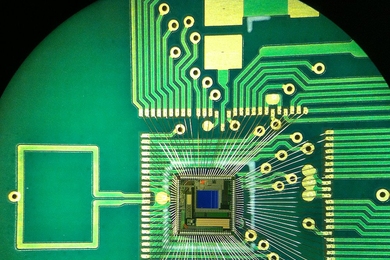
For the first time, researchers power an implantable electronic device using an electrical potential — a natural battery — deep in the inner ear.
For the first time, researchers power an implantable electronic device using an electrical potential — a natural battery — deep in the inner ear.

New tests of nanostructured material could lead to better armor against everything from gunfire to micrometeorites.

Department of Nuclear Science and Engineering junior wins one of three poster awards.

If you’re a microbe floating in the ocean, there’s no single best strategy for getting food, MIT research shows.

A new algorithm predicts which Twitter topics will trend hours in advance and offers a new technique for analyzing data that fluctuate over time.

A new approach to algorithmically distinguishing words with multiple possible meanings could help find useful data in electronic medical records.

MIT football co-captain is one of 15 honorees from across all divisions of college football selected for the award.

New adhesive comes off quickly, sparing infants’ delicate skin from damage.

In a new book, MIT’s Felice Frankel aims to help scientists and engineers improve the way they portray their research through photos, diagrams and graphs.

With 20 years’ notice, paint pellets could cause an asteroid to veer off course.

From bacteria to bridges, CEE researchers tackle natural and built environments.