MIT researchers honored for 'Revealing Invisible Changes'
CSAIL team recognized by National Science Foundation for video that catches motions too subtle for the naked eye.
CSAIL team recognized by National Science Foundation for video that catches motions too subtle for the naked eye.

Researchers show how the vagaries of real-world circuitry affect the performance of a promising new technique in signal processing and imaging.
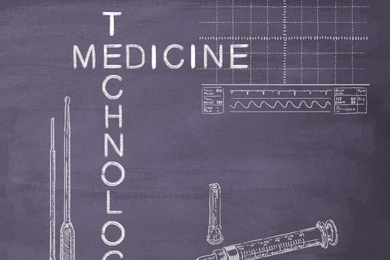
Precision machine design class links doctors with students to find ways of meeting pressing medical needs for new technology.
Survey conducted by the MIT Forum for Supply Chain Innovation indicates nearly half of U.S. manufacturing companies are thinking of re-shoring jobs.

Polymer film that gradually releases DNA coding for viral proteins could offer a better alternative to traditional vaccines.
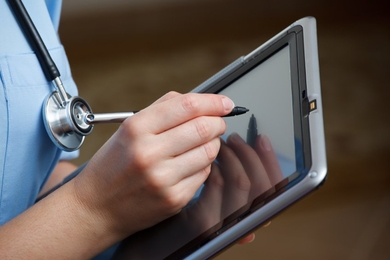
At the intersection of medicine and computer science, researchers look for clinically useful correlations amid mountains of information.
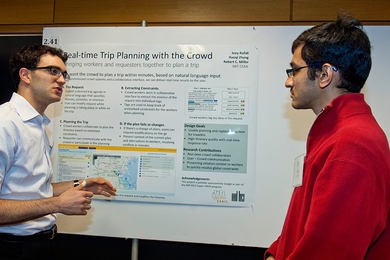
Poster session showcases student advances in key technologies and attracts faculty, venture capitalists and industry sponsors.
Beranek, Dennis, Chou, Jacobs and Langer are among 20 recipients recognized for decades of engineering achievements.
AeroAstro assistant professor, RLE research scientist among 40 winners
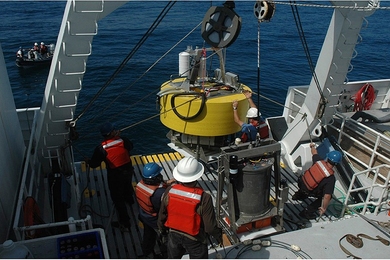
Scientists track ocean microbe populations in their natural habitat to create a ‘day in the life’ montage.
Ceramic forms of hydrophobic materials could be far more durable than existing coatings or surface treatments.
One of world’s largest manufacturing and supply chain solutions companies will collaborate with board on industry challenges and opportunities.
Over three days in December, four research groups announced progress on a quantum-computing proposal made two years ago by MIT researchers.
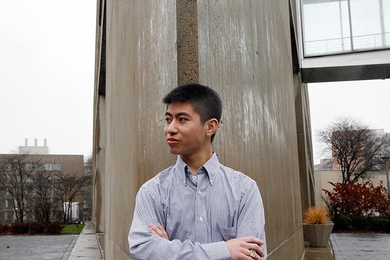
First-generation college student Eric Trac makes the most of MIT — whether through medical research or community service.
Professor was honored by KU Leuven at its bi-annual Leuven International Forum.