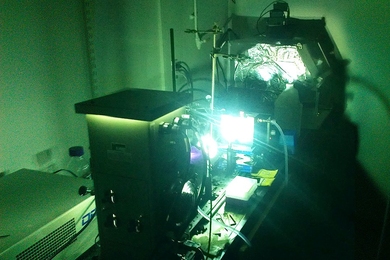
A molecular approach to solar power
Switchable material could harness the power of the sun — even when it’s not shining.
Switchable material could harness the power of the sun — even when it’s not shining.

Chemical engineers hope smartphone-readable microparticles could crack down on counterfeiting.

Deshpande Center appoints Timothy M. Swager as faculty director

The flexible undergraduate program, launching this fall, mixes rigor and depth with applications to critical areas of societal importance.
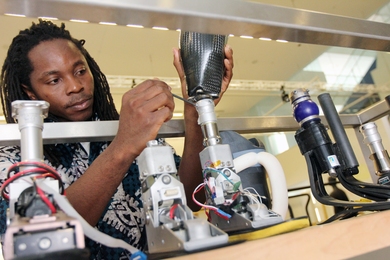
$50,000 awarded to undergraduate and graduate student inventors

Allanore lab chemically alters feldspar, an ore closer to home for countries that cultivate bananas and other potassium-dependent crops
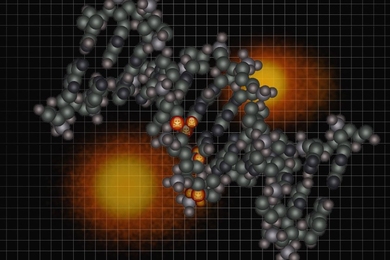
Some nanoparticles commonly added to consumer products can significantly damage DNA.

Novel study uncovers the way coughs and sneezes stay airborne for long distances.

Boston Mayor Marty Walsh, local students attend the National Robotics Week event

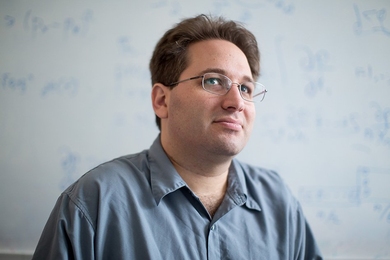
Scott Aaronson travels the far reaches of computational complexity, shaping conventional and quantum computing.

Algorithm for determining orientation of objects could aid robots in navigation, scene understanding.