
New research could let vehicles, robots collaborate with humans
Researchers are developing systems that can analyze people’s needs to determine the best way to achieve their goals.
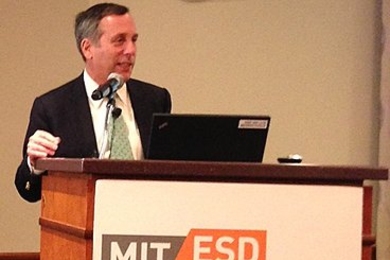
Lawrence Bacow speaks on challenges facing higher education
Former MIT chancellor examines rising costs, digital learning in Charles L. Miller Lecture
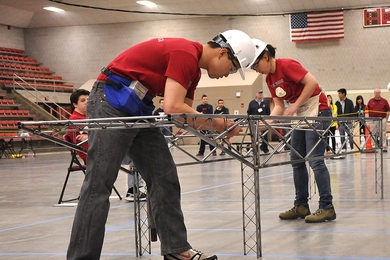
MIT Steel Bridge team wins first place in regional contest
Though delayed by the Boston-area lockdown, the competition was held at MIT on April 20

Valuing versatility
In an age of specialization, a little versatility could improve operations management, cloud computing, and possibly even the provision of health care.
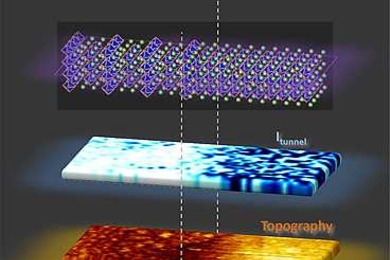
Unleashing oxygen
‘Superlattice’ structure could give a huge boost to oxygen reaction in fuel cells, increasing their power potential.
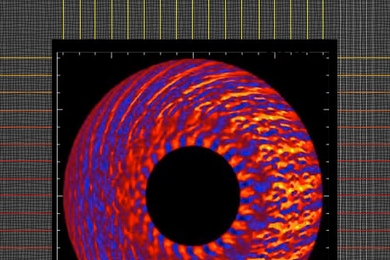
Understanding the turbulence in plasmas
New experiments in a tokamak fusion reactor reveal details of a cooling process, potentially bringing practical fusion closer.


Wind power — even without the wind
Innovative storage system could enable offshore wind farms to deliver power whenever it’s needed.
Nine MIT faculty members elected to the American Academy of Arts and Sciences
Among 198 elected this year to the prestigious honorary society.

Learning software development — by developing software
In a new course, students participate in large, ongoing, open-source-software development projects, mentored by industry professionals.
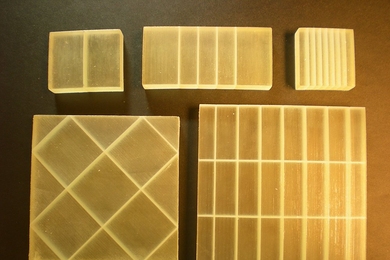
A blueprint for reversible wrinkling in composite materials
A new model gives scientists guidelines to develop ‘smart’ composite materials with wrinkled microstructures.
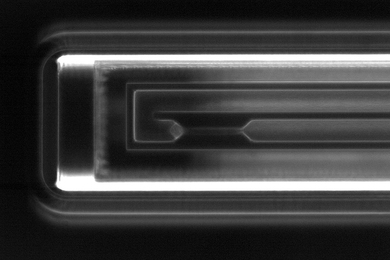
A different view of cancer cells
New study measures physical changes in tumor cells as they become metastatic.
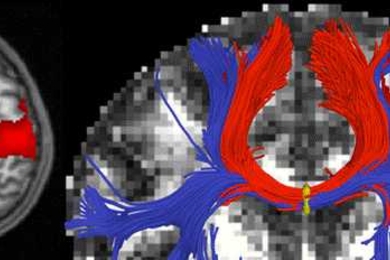
Making sense of medical sensors
Computer scientists and electrical engineers are devising algorithms that look for useful new patterns in data produced by medical sensors.
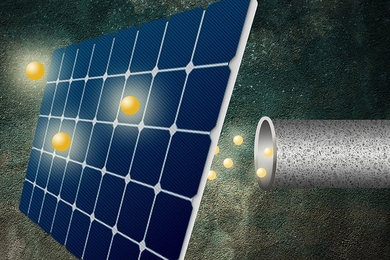
Special deal on photon-to-electron conversion: Two for one!
New technique developed at MIT could enable a major boost in solar-cell efficiency.