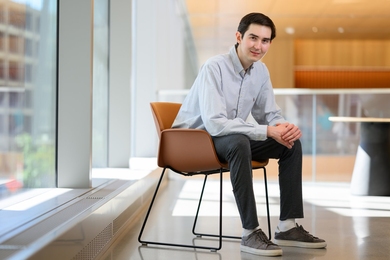
Working to eliminate barriers to adopting nuclear energy
Nuclear waste continues to be a bottleneck in the widespread use of nuclear energy, so doctoral student Dauren Sarsenbayev is developing models to address the problem.
Nuclear waste continues to be a bottleneck in the widespread use of nuclear energy, so doctoral student Dauren Sarsenbayev is developing models to address the problem.
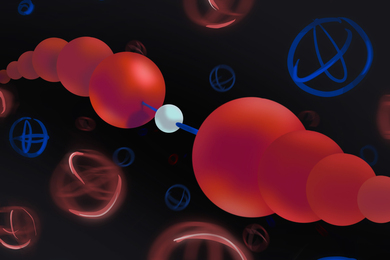
MIT researchers found a way to predict how efficiently materials can transport protons in clean energy devices and other advanced technologies.
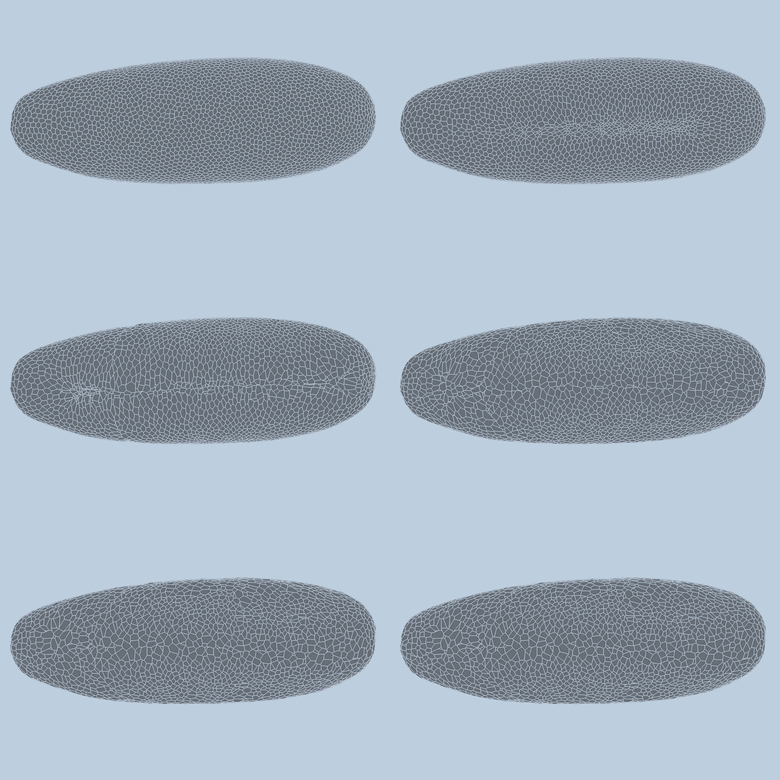
The approach could apply to more complex tissues and organs, helping researchers to identify early signs of disease.

Angela Koehler, Iain Cheeseman, and Katharina Ribbeck are shaping the collaborative as a platform for transformative research, translation, and talent development across MIT.

The “self-steering” DisCIPL system directs small models to work together on tasks with constraints, like itinerary planning and budgeting.
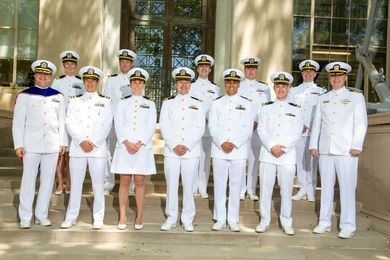
The new certificate program will equip naval officers with skills needed to solve the military’s hardest problems.
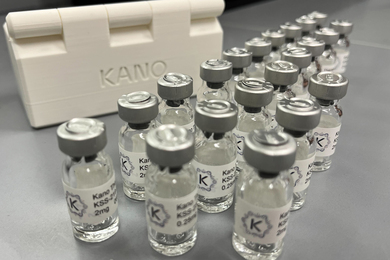
With its circular single-stranded DNA molecules, MIT spinout Kano Therapeutics plans to make gene and cell therapies safer and more effective.

Tools for forecasting and modeling technological improvements and the impacts of policy decisions can result in more effective and impactful decision-making.

The technique can help scientists in economics, public health, and other fields understand whether to trust the results of their experiments.

A study profiling antigens presented on immune and tumor cells in co-culture points to new strategies for attacking a treatment-resistant and deadly brain cancer.
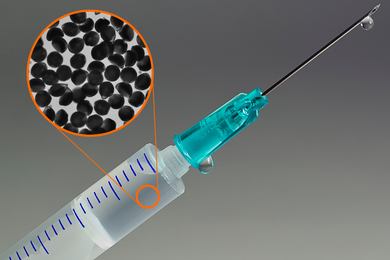
Therapeutic antibodies packaged into microparticles could be injected with a standard syringe, avoiding the need for lengthy and often uncomfortable infusions.

Chemical engineers have found a simple way to make capturing carbon emissions from industrial plants more energy-efficient.
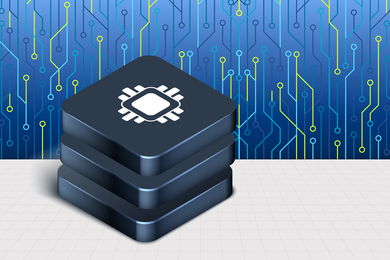
By stacking multiple active components based on new materials on the back end of a computer chip, this new approach reduces the amount of energy wasted during computation.
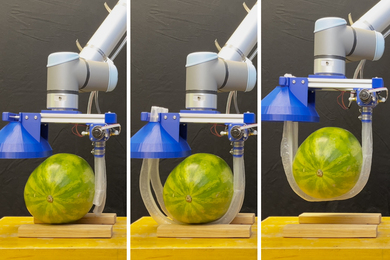
The new design could be adapted to assist the elderly, sort warehouse products, or unload heavy cargo.
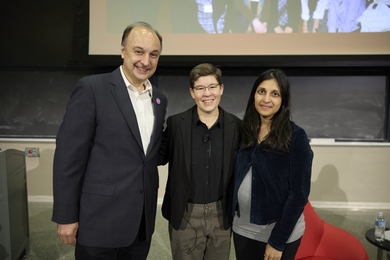
In the 2025 Dresselhaus Lecture, the materials scientist describes her work 3D printing soft materials ranging from robots to human tissues.