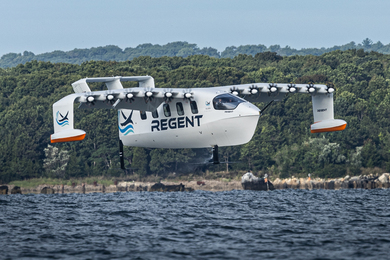
Electric seaglider created by MIT alumni takes flight
Hoping to combine the speed of planes with the affordability of ferries, Regent Craft is developing a quiet, more sustainable mode of maritime transportation.
Hoping to combine the speed of planes with the affordability of ferries, Regent Craft is developing a quiet, more sustainable mode of maritime transportation.
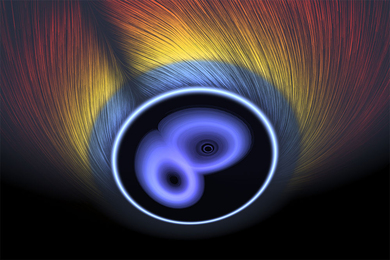
Enforcing physics-based constraints prevents AI models from generating unreliable predictions for complex nonlinear systems in weather, climate, and turbulent flows.
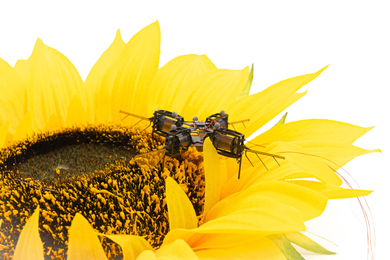
The speedy microrobot flies without an attached motion-capture system, moving it closer to applications like agriculture or industrial surveillance.
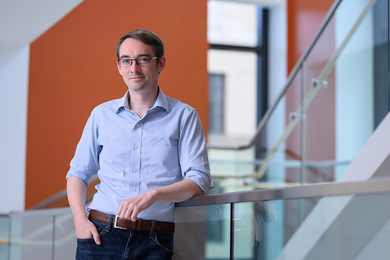
Assistant Professor Jake Hecla is developing tools to cool space-based reactors, detect the presence of nuclear weapons, and better understand emerging nuclear technologies.
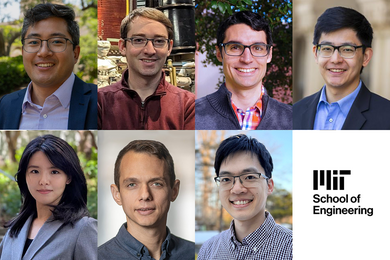
The newest MIT engineering faculty are conducting research across a diverse range of subject areas.
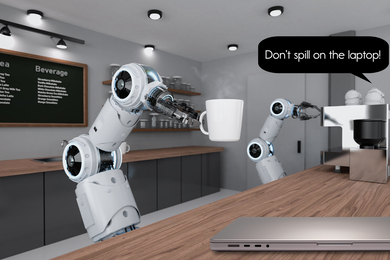
The new approach, known as FLEX, could lead to more intuitive, interactive household and assistive robots.

A new system identifies and corrects unreliable object descriptions stored in a robot’s memory, improving the robot’s ability to interact with its environment.
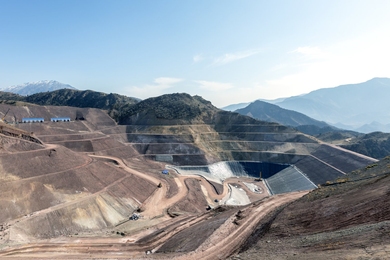
Elsa Olivetti, co-director of the MIT Minerals Stewardship Consortium, discusses how research and collaborations can strengthen mineral supply chains.
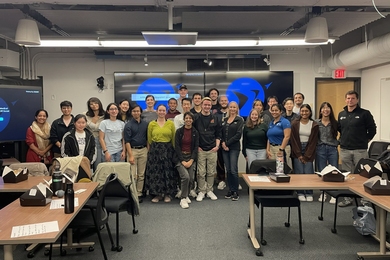
MIT’s Doctors Without Gravity club connects health and space science enthusiasts.
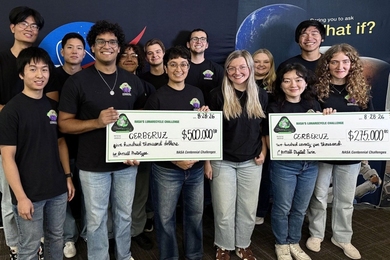
The team took first prize in both the Prototype and Digital Twin tracks for its lunar waste recycling system.

Over two decades at MIT, Hamilton forged new paths in computer science and engineering. Her groundbreaking work included leading the team that programmed the first computers that took humans to the moon.
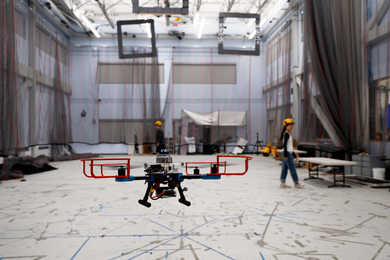
This new method, called “SANDO,” could help disaster-response robots navigate dangerous, unknown environments.
An industry report published by students in an MIT aerospace entrepreneurship class lays out guidance for aspiring space leaders and investors.
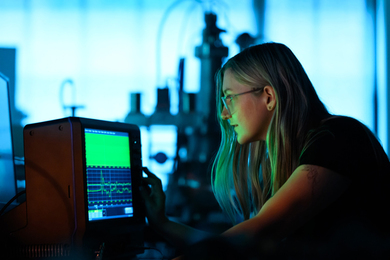
PhD candidate Lanie McKinney is building technology to convert the Red Planet’s atmosphere into propellant for bringing astronauts home.
Faculty members and researchers were honored in recognition of their scholarship, service, and overall excellence.