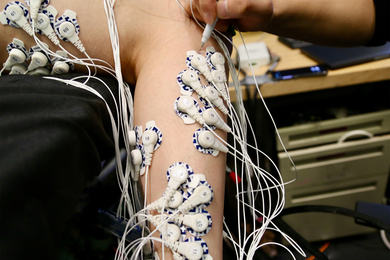
New surgery may enable better control of prosthetic limbs
Reconnecting muscle pairs during amputation gives patients more sensory feedback from the limb.
Reconnecting muscle pairs during amputation gives patients more sensory feedback from the limb.
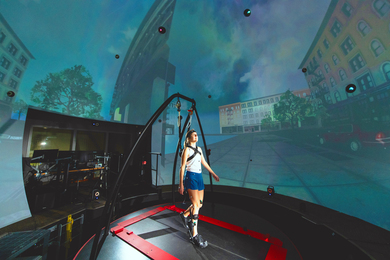
Will focus on responding to disasters and humanitarian crises, defending against biothreats, addressing climate change, and improving human health and performance.
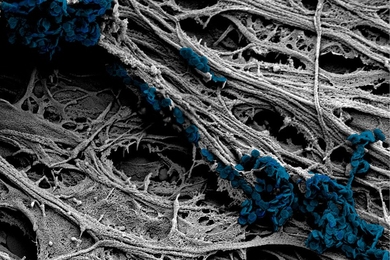
Magnetic nanodiscs can be activated by an external magnetic field, providing a research tool for studying neural responses.
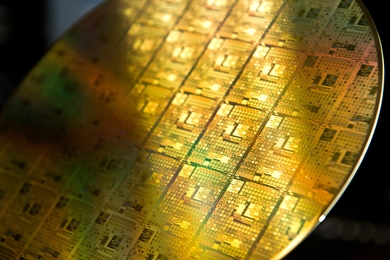
Fabrication technique will enable SkyWater Technology to manufacture a range of electronics that can withstand harsh radiation environments.
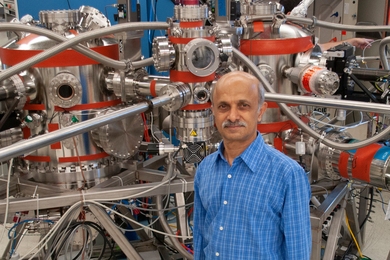
Jagadeesh Moodera and colleagues to investigate interface-driven phenomena in quantum materials in the quest for energy-efficient quantum electronics.

Device may enable “T-ray vision” and better wireless communication.

Facility modernization plan includes a new compound semiconductor laboratory and microsystem integration facility that will enable modern innovation.
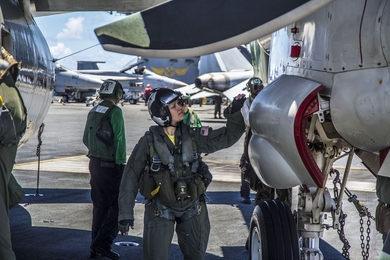
NAVAIR is upgrading its acquisition capabilities using an MIT online course in model-based systems engineering.
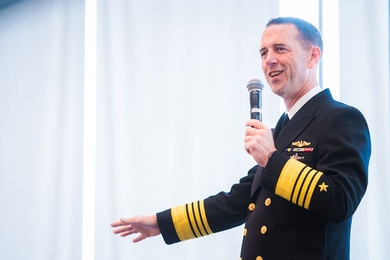
Chief of Naval Operations Admiral John Richardson SM ’89, EE ’89, ENG ’89 poses global challenges to academe.

Retired Rear Admiral Chuck Goddard OCE ’85, SM ’85 is leading a bid to design the US Navy’s next class of guided-missile frigates.

Mouse study links early metastasis to systemic inflammation caused by wound healing.

The fellowship supports top-tier researchers at U.S. universities whose high-risk, high-payoff work is of strategic importance to the Department of Defense.
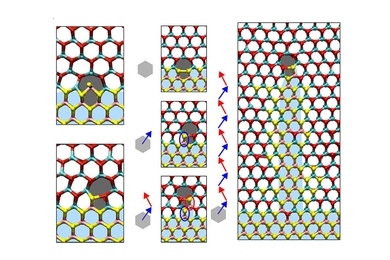
Subnanometer-scale channels in 2-D materials could point toward future electronics, solar cells.

Researchers have identified a key nutrient sensor in the mTOR pathway that links nutrient availability to cell growth.
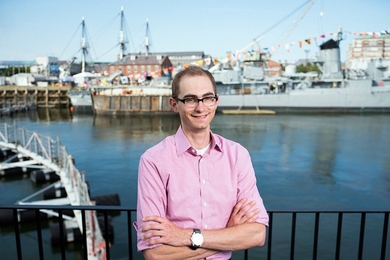
Erik Sand brings a perspective shaped by eight years of service in the U.S. Navy to his doctoral studies.