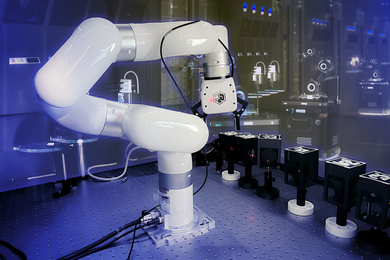
Robotic lab sets up and runs optics experiments on demand
The autonomous system could speed up testing of high-tech materials for applications such as solar cells, sensors, video displays, and quantum technologies.
The autonomous system could speed up testing of high-tech materials for applications such as solar cells, sensors, video displays, and quantum technologies.
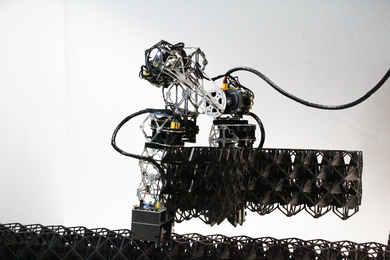
New research suggests constructing a simple building from interlocking subunits should be mechanically feasible and have a much smaller carbon footprint.
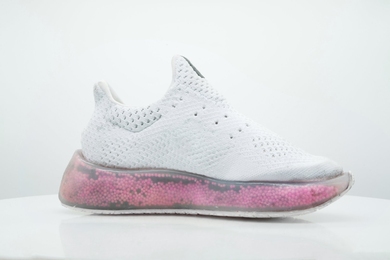
Associate Professor Skylar Tibbits discusses a new technology that uses granular convection to deliver individualized performance.
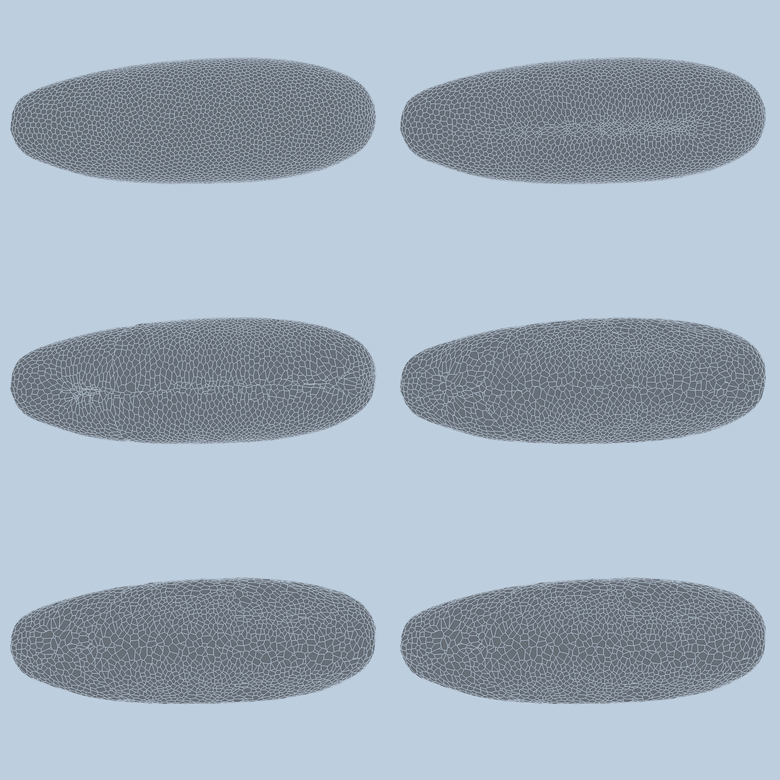
The approach could apply to more complex tissues and organs, helping researchers to identify early signs of disease.
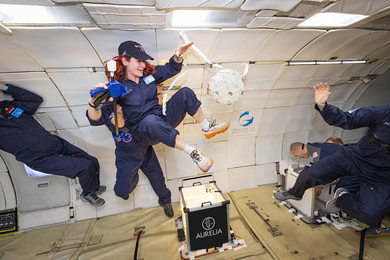
Aurelia Institute, founded by a team from MIT, serves as a research lab, an education and outreach center, and a policy hub for the space industry.

MIT MAD has established new professorships and appointed three MIT faculty to advance design education across disciplines.
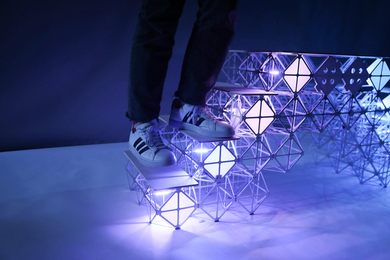
The system uses reconfigurable electromechanical building blocks to create structural electronics.
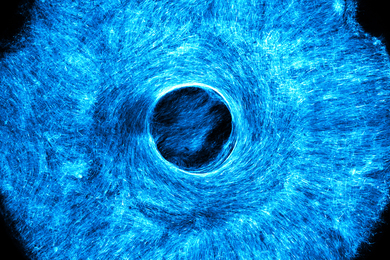
MIT engineers developed a way to grow artificial tissues that look and act like their natural counterparts.
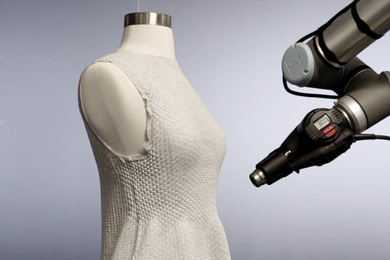
Developed by the Self-Assembly Lab, the 4D Knit Dress uses several technologies to create a custom design and a custom fit, while addressing sustainability concerns.
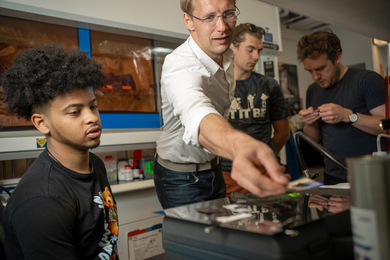
Mathias Kolle’s color-changing materials take inspiration from butterflies and mollusks.
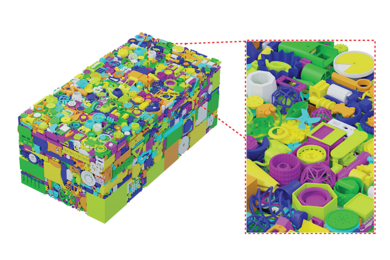
A new computational method facilitates the dense placement of objects inside a rigid container.
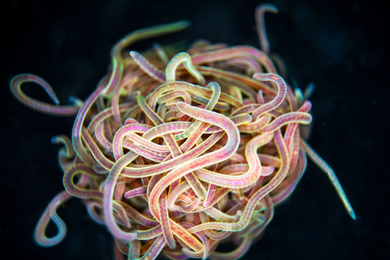
California blackworms tangle themselves up by the thousands, then separate in a split second. Their trick may inspire the design of self-detangling materials and fibers.
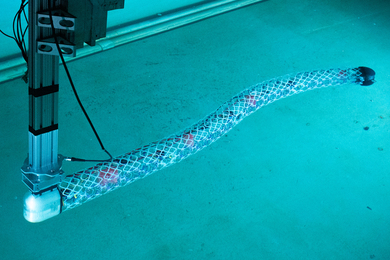
The system’s simple repeating elements can assemble into swimming forms ranging from eel-like to wing-shaped.
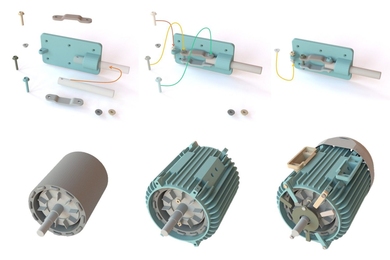
A new algorithm for automatic assembly of products is accurate, efficient, and generalizable to a wide range of complex real-world assemblies.
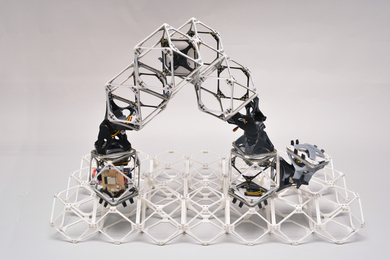
Researchers make progress toward groups of robots that could build almost anything, including buildings, vehicles, and even bigger robots.