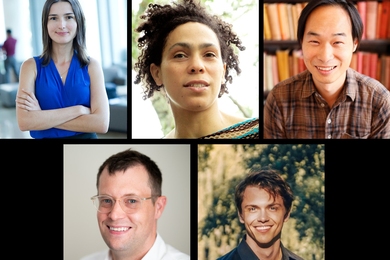
Meet the 2026 tenured professors in the School of Humanities, Arts, and Social Sciences
Faculty members granted tenure in Comparative Media Studies/Writing, Economics, Political Science, and Theater.
Faculty members granted tenure in Comparative Media Studies/Writing, Economics, Political Science, and Theater.
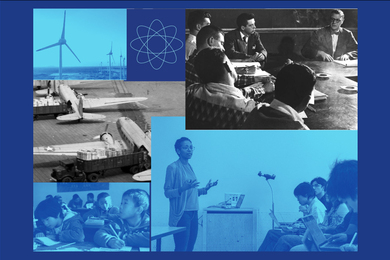
For 75 years, the Center for International Studies has brought together social scientists, engineers, and practitioners to understand global change, shape public debate, and address generational challenges.
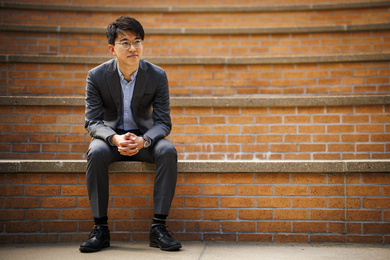
Naoki Egami has become a standout in political methodology, helping refine tools that give scholars durable results.
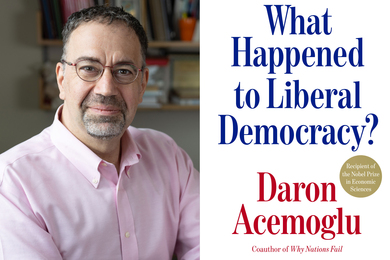
Deindustrialization didn’t only hurt some workers, Daron Acemoglu says in a new book; it shrank the coalition supporting democracy, which needs expanding.
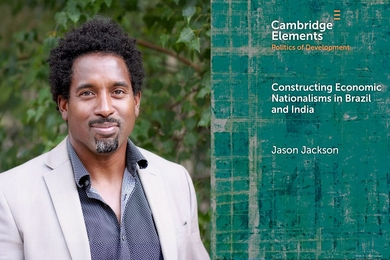
DUSP Associate Professor Jason Jackson’s latest book compares how two countries chose radically different paths to economic independence.
Assistant Professor Bailey Flanigan has arrived at complex computational methods for helping democracy thrive.
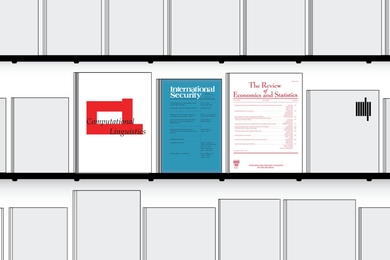
Computational Linguistics, International Security, and The Review of Economics and Statistics lead their disciplines with 2026 Clarivate impact factors.
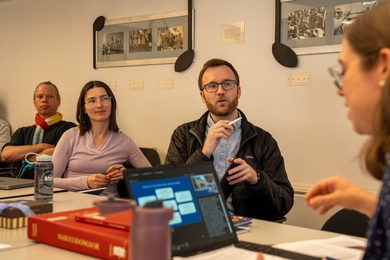
The SHASS Faculty Fellows Program, administered by the MIT Human Insight Collaborative, is fostering new research projects and creating space for supportive and interdisciplinary discussion.

In Ghana, semi-communal “compound houses” affect how much people vote and participate in political activity, new research shows.
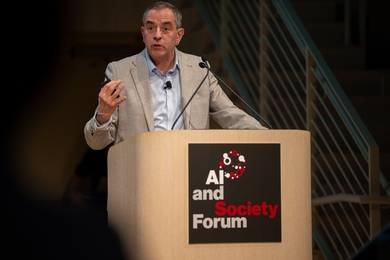
During the AI and Society Forum, leading MIT researchers examined critical questions about AI’s influence on employment and democracy.
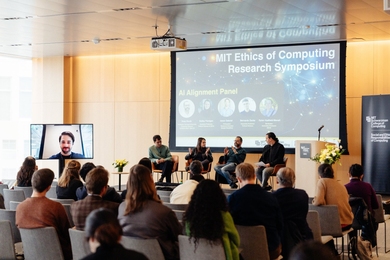
The MIT Ethics of Computing Research Symposium brought together experts and researchers working at the heart of ethical and social impact in technology.

Countries with developing economies provide at least some public water, but safety may lag because it’s less visible, researchers say.

Associate Professor Daniel “Danny” Hidalgo, a political scientist who studies elections, democracy, and political behavior in Latin America, is honored as “Committed to Caring” for graduate student mentorship.
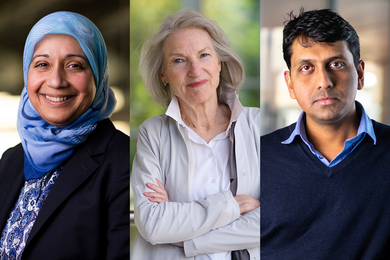
Afreen Siddiqi, Kathleen Thelen, and Vinod Vaikuntanathan, along with alumna Kate Manne, are appointed to the 2026 class of “trail-blazing fellows.”
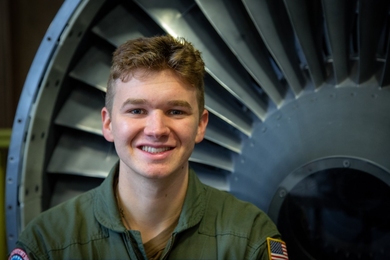
MIT senior, master's candidate, and airman Brian Robinson lives and works at the intersection of aviation, politics, and technology.