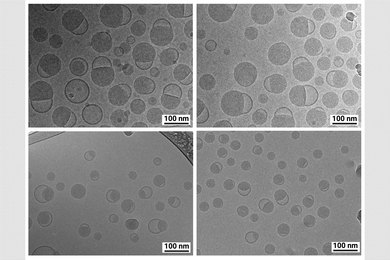
A new technique could accelerate the development of RNA therapies
MIT chemical engineers found a way to rapidly produce lipid nanoparticles of varying sizes, which could make it easier to develop new vaccines and therapeutics.
MIT chemical engineers found a way to rapidly produce lipid nanoparticles of varying sizes, which could make it easier to develop new vaccines and therapeutics.
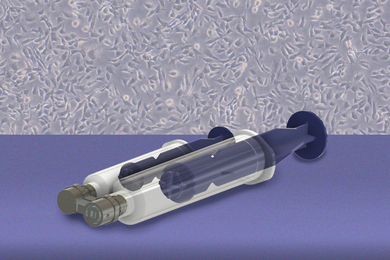
MIT researchers developed a handheld system that gently collects living cells from patient samples to aid cancer testing and development of personalized medicines.
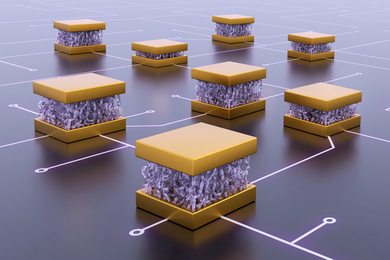
A new device uses reconfigurable motion to mimic the firing behavior of a neuron, which could lead to more efficient computing.
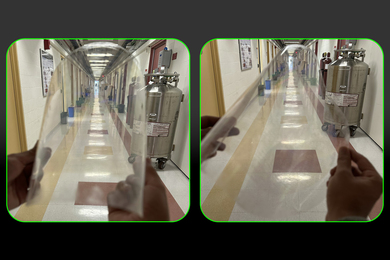
This scalable process produces high-performance chips for applications like discreet wearables or pliable augmented-reality displays.
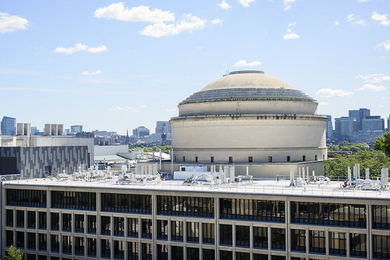
The Materials Research Science and Engineering Center unites researchers across disciplines to develop technologies for medical imaging, sustainable metals production, and next-generation electronics.
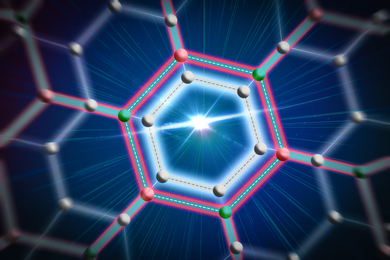
A new technique produces wafer-scale samples, overcoming a major roadblock to using these materials in quantum technologies.
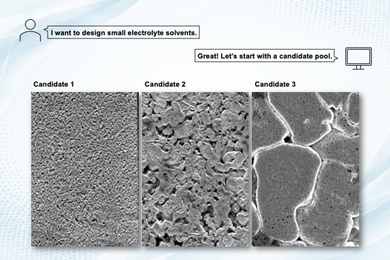
By focusing on electrolytes, MIT scientists are making sodium-metal batteries a more practical energy storage option.
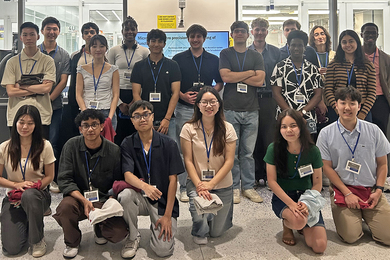
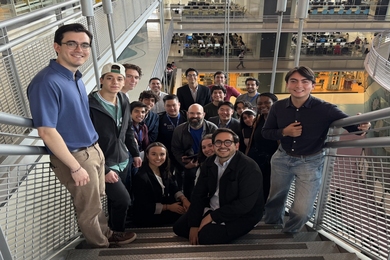
The 2026 NEMC Hub-sponsored externship gave students access to world-class research, advanced semiconductor manufacturing, and professionals driving innovation across the Northeast.
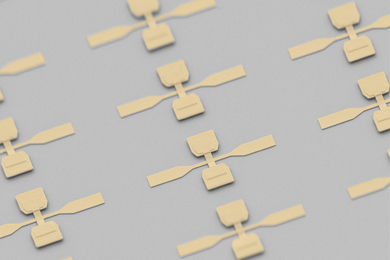
A new fabrication platform integrates molecules into electronic devices, opening the door to emerging computing technologies.
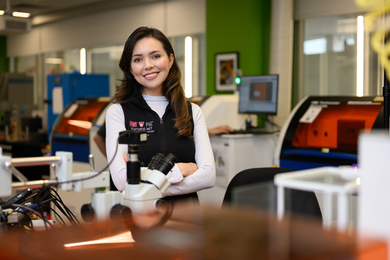
The PhD candidate builds soft bioelectronic technologies to decode signals between the brain and the rest of the body.

The tunable device controls mid-infrared light for more precise thermal imaging, chemical sensing, or pollution monitoring.
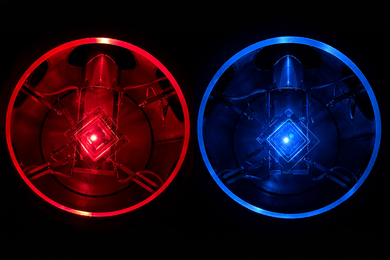
Researchers found a simple solution for extending the lifespans of LEDs made from glowing microscopic particles called quantum dots.
MIT and Tec de Monterrey will expand FrED curriculum to universities across Mexico.
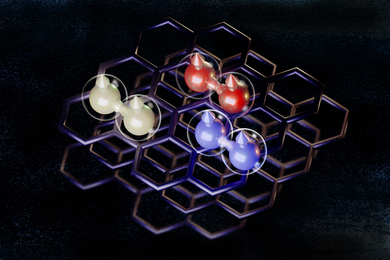
What’s more, the superconducting states get stronger under conditions expected to kill them.
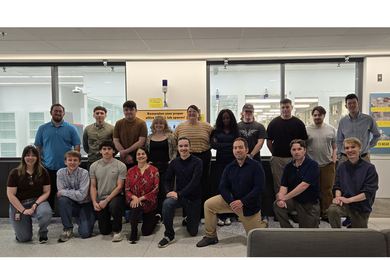
A hands-on boot camp teaches integrated photonics to community and four-year college students in the region.