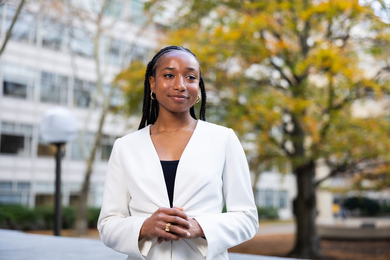
Arianna Doss named a 2027 Rhodes Scholar
A double major in biological engineering and political science, Doss will begin postgraduate studies at Oxford University next fall.
A double major in biological engineering and political science, Doss will begin postgraduate studies at Oxford University next fall.
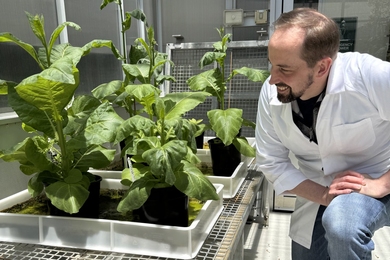
How the MIT Global Seed Funds helped Professor Matt Shoulders and his team build international collaborations that continue to shape his research more than a decade later.
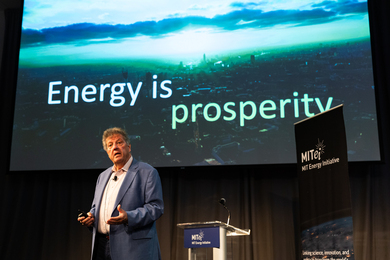
Eric Toone, CTO of Breakthrough Energy, assessed global decarbonization, and the opportunities and challenges that remain, at MITEI’s annual research conference.
Professor Ali Jadbabaie describes how AI, digital transformation, climate change, and complex geopolitics are forcing engineers and policymakers to rethink how infrastructure is designed, built, and managed.
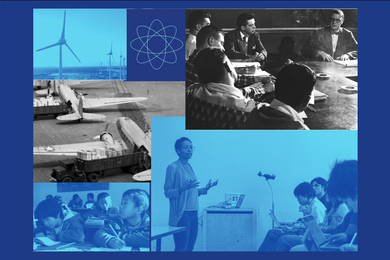
For 75 years, the Center for International Studies has brought together social scientists, engineers, and practitioners to understand global change, shape public debate, and address generational challenges.
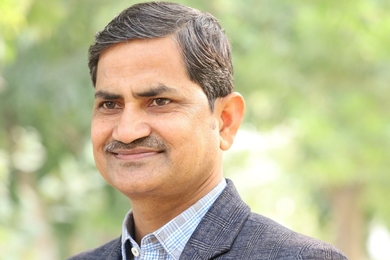
Using knowledge gained from MIT’s free learning materials, an educator in rural India builds apps to reach students who can’t make it to school.
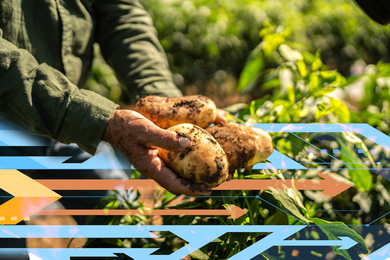
In some regions of the world, the poorest people may spend about 50 percent of their income on food, while the richest spend about 5 percent.

The work is part of a multiyear effort to develop a distributed sensor network for relaying data collected from this critical region.
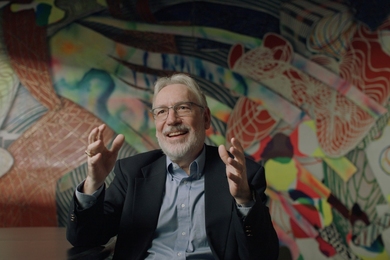
Duane Boning, MIT’s vice provost for international activities, discusses the Institute’s approach to global engagement.

The modified aircraft will support an ongoing US Air Force program to assess and enhance the survivability of air and space vehicles.
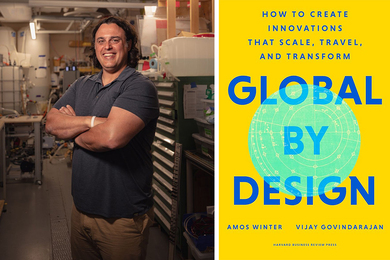
A new book coauthored by Professor Amos Winter asserts that, to solve major challenges and deliver products of value to consumers in both developed and emerging markets, innovators must think and act globally.
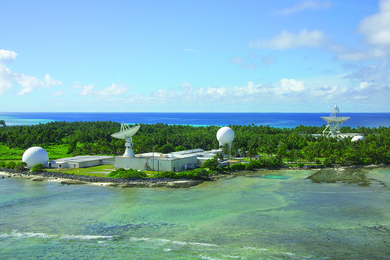
Members of the laboratory community reflect on technology impacts that shaped the United States and the world over the past 75 years.
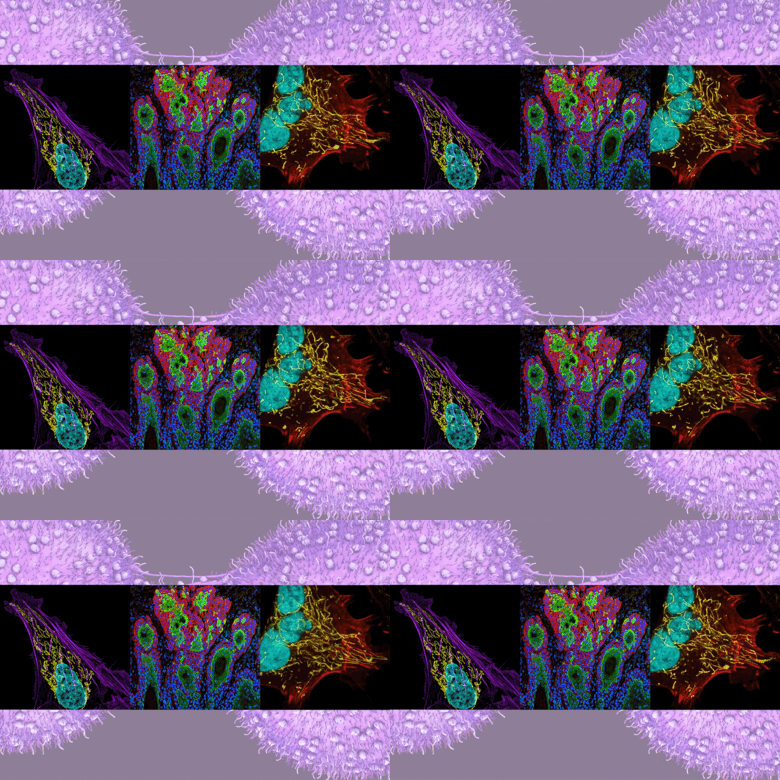
Derived from patient tumor samples and available to researchers around the world, the cells will aid the development of new cancer treatments.
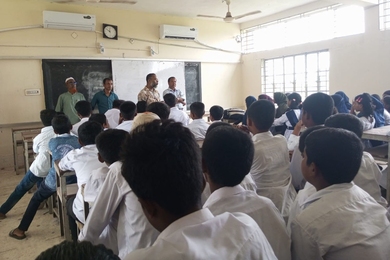
The Jameel Observatory-CREWSnet project opens a solar-powered “adaptation fortress” in Satkhira, a region facing severe and growing climate threats.

Using modern tools, they also determined that carbon tetrachloride, used as a dry-cleaning and degreasing agent as early as the 1930s, was at the root of early ozone loss.