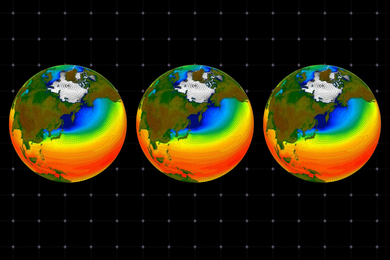
New research could lead to faster, trustworthy AI models for climate prediction
MIT scientists developed a training method to generate models that simulate the effects of human activities on climate much more quickly than other approaches.
MIT scientists developed a training method to generate models that simulate the effects of human activities on climate much more quickly than other approaches.

Through leadership roles in ROTC and Camp Kesem, plus navigating an academic pivot, senior Andrew Voelsing has learned to face new challenges with enthusiasm.
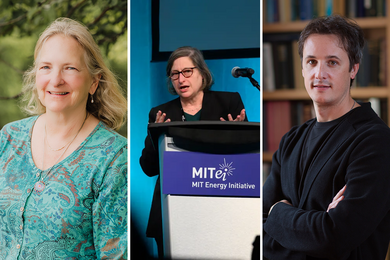
Anthea Coster, Carolyn Ruppel, César Terrer, and eight additional alumni are honored for their work in the geosciences.
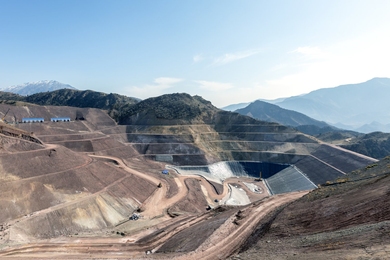
Elsa Olivetti, co-director of the MIT Minerals Stewardship Consortium, discusses how research and collaborations can strengthen mineral supply chains.
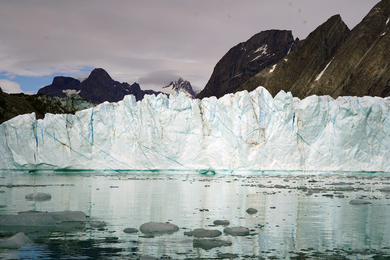
The cliffs don’t always collapse in the runaway process that scientists had expected.
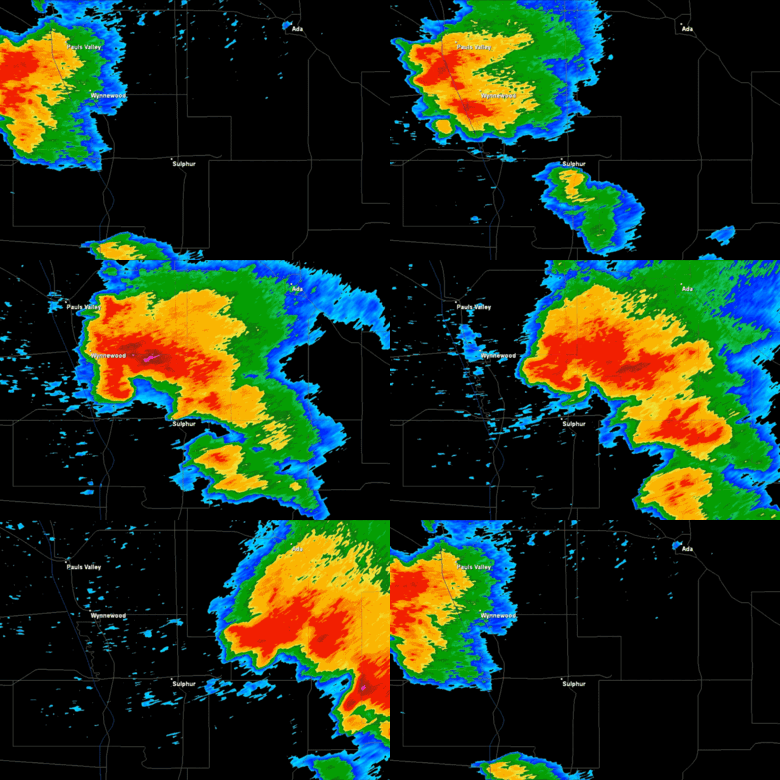
A new machine-learning approach broke records for weather forecasting for an important time frame in emergency planning.
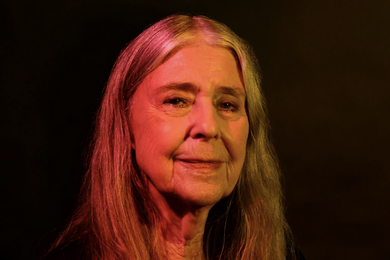
Over two decades at MIT, Hamilton forged new paths in computer science and engineering. Her groundbreaking work included leading the team that programmed the first computers that took humans to the moon.

The work is part of a multiyear effort to develop a distributed sensor network for relaying data collected from this critical region.
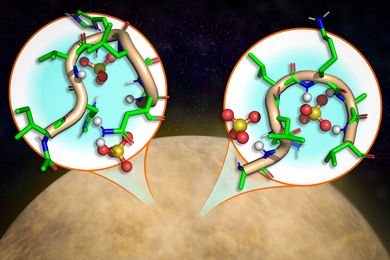
New research offers support for the possibility that complex biological molecules could exist in the highly acidic environment of Venus’s cloud layer.
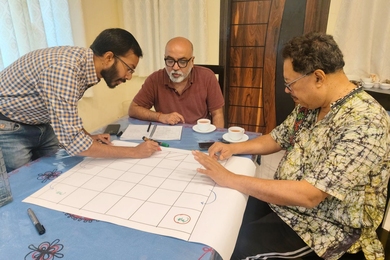
Climate scientist Sai Ravela is using games to help coastal communities find creative adaptations to climate change.
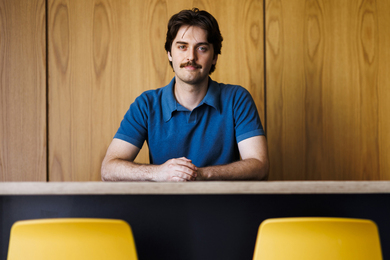
The PhD student’s research on how microorganisms digest compounds in their environment could enable advances in wastewater treatment.
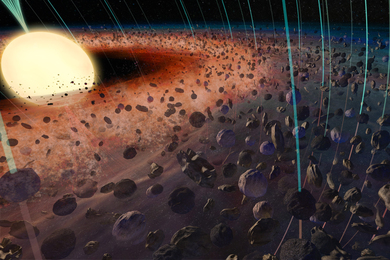
The discovery likely represents the earliest known evidence of a magnetic field in the infant solar system.
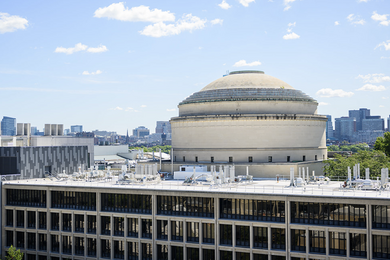
The Materials Research Science and Engineering Center unites researchers across disciplines to develop technologies for medical imaging, sustainable metals production, and next-generation electronics.

Using modern tools, they also determined that carbon tetrachloride, used as a dry-cleaning and degreasing agent as early as the 1930s, was at the root of early ozone loss.
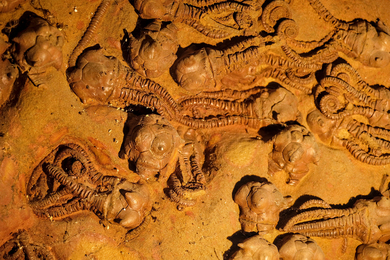
A new model links Earth’s mass extinctions to mismatches between rates of environmental change and biological adaptation.