
This RNA-based technique could make gene therapy more effective
Biological engineers design RNA circuits that enable precise control over the dose of therapeutic protein a patient receives.
Biological engineers design RNA circuits that enable precise control over the dose of therapeutic protein a patient receives.
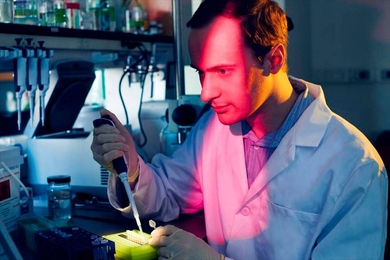
Cryptography techniques to screen synthetic DNA could help prevent the creation of dangerous pathogens, argues Professor Kevin Esvelt.
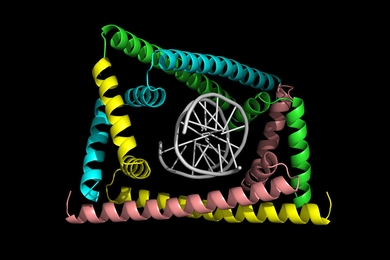
Researchers identify an essential protein that helps enzymes relax overtwisted DNA so each strand can be copied during cell division.
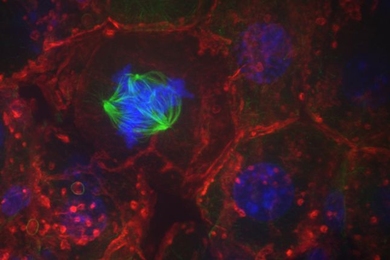
Biologists discover that the environment surrounding a cell plays an integral role in its ability to accurately segregate its chromosomes.
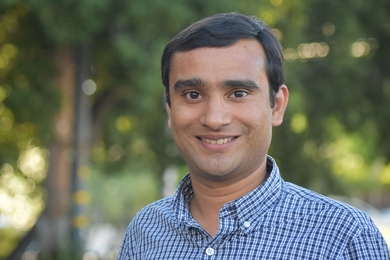
Biophysicist will investigate the biology of RNA aggregation.
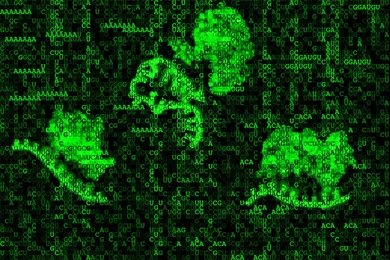
Scientists leverage one step, unbiased method to characterize the binding preferences of more than 70 human RNA-binding proteins.
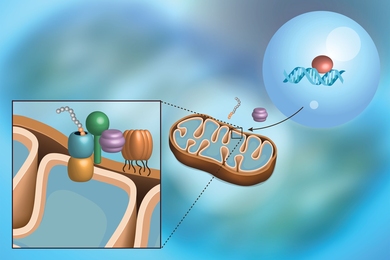
Scientists discover a pathway that monitors a protein import into mitochondria and elicits a cellular response when the process goes awry.
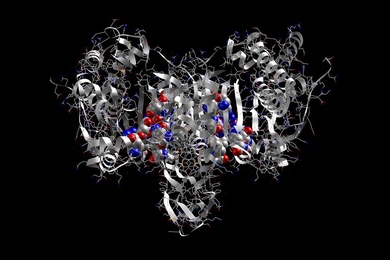
New discovery suggests that all life may share a common design principle.
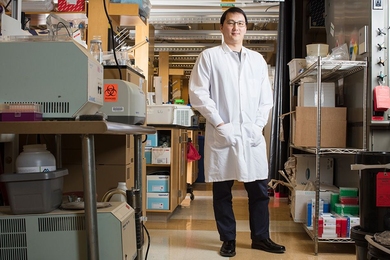
Synthetic biologist hopes to develop treatments for cancer and other diseases.
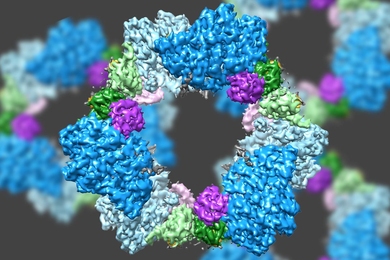
New finding suggests differences in how humans and bacteria control production of DNA’s building blocks.
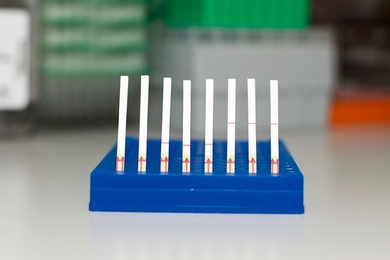
With SHERLOCK, a strip of paper can now indicate presence of pathogens, tumor DNA, or any genetic signature of interest.
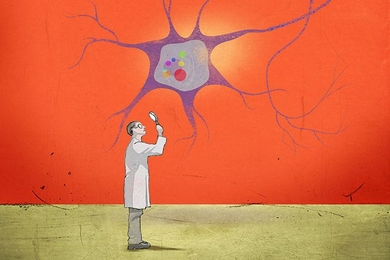
Whitehead Institute researchers are using a modified CRISPR/Cas9-guided activation strategy to investigate the most frequent cause of intellectual disability in males.
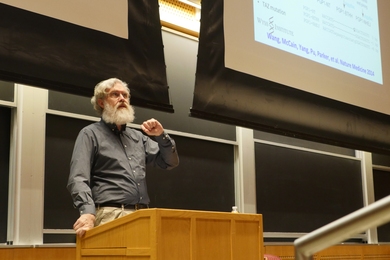
Department of Biology kicks off IAP seminar series with a lecture by synthetic-biology visionary George Church.
Study explains why mutations that would seemingly affect all cells lead to face-specific birth defects.