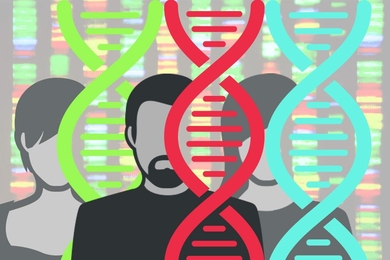
How some facial malformations arise
Study explains why mutations that would seemingly affect all cells lead to face-specific birth defects.
Study explains why mutations that would seemingly affect all cells lead to face-specific birth defects.

Improved methods validate the use of blood samples for studying patients’ cancer genomes.
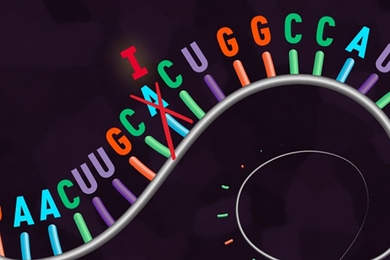
“REPAIR” system edits RNA, rather than DNA; has potential to treat diseases without permanently affecting the genome.
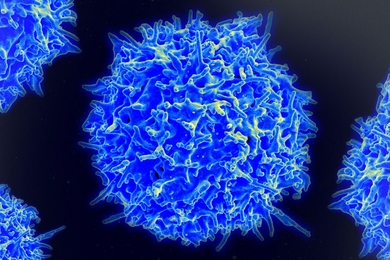
Advance may open new pathways for cancer immunotherapy.

Biological engineers identify genes that protect against protein linked to Parkinson’s disease.
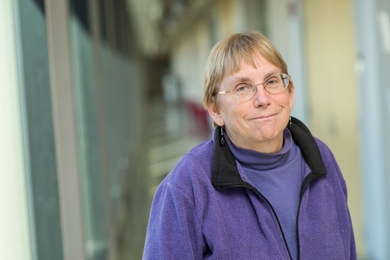
Awarded annually by The Rockefeller University, the award recognizes accomplishments of outstanding women in science.
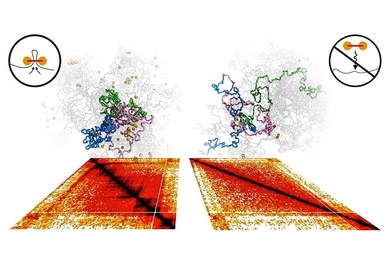
Experiments confirm hypothesis about how the genome becomes organized into “neighborhoods.”

MIT associate professor and member of the Broad Institute and McGovern Institute recognized for commitment to invention, collaboration, and mentorship.
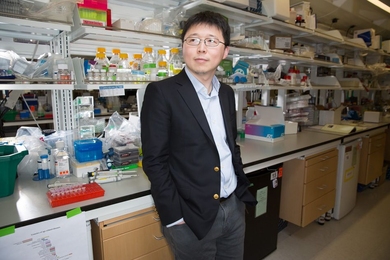
Five recipients honored for their fundamental and complementary accomplishments related to CRISPR-Cas9.
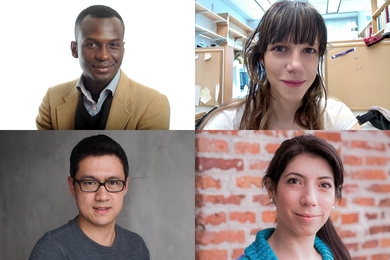
Biophysicist Ibrahim Cissé and cell biologist Gene-Wei Li honored as Pew Scholars; postdocs Ana Fiszbein and María Inda are named Pew Latin American Fellows.
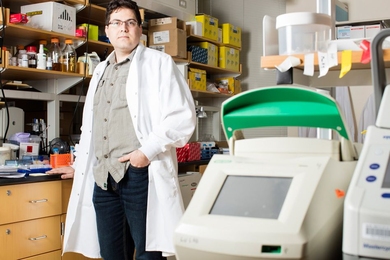
PhD student Fahim Farzadfard engineers cells to record “memories” of past events.
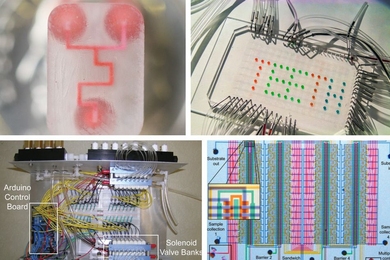
Mark Bathe develops molecular packages for targeted delivery of drugs, vaccines, and gene-editing tools.
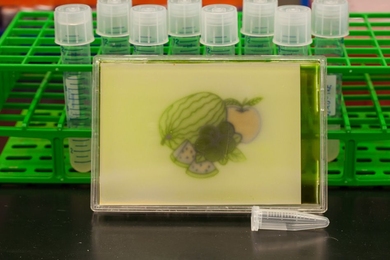
Red, green, and blue light can be used to control gene expression in engineered E. coli.
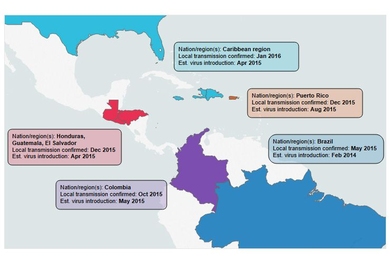
Analysis of largest collection of Zika genomes to date reveals trajectory and evolution of the virus.