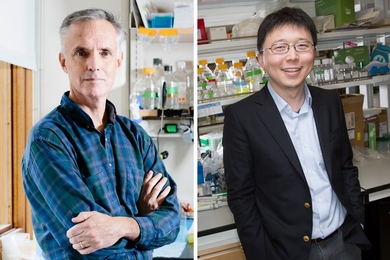
Scientists unveil CRISPR-based diagnostic platform
New system adapts tool known for gene editing; to be used in rapid, inexpensive disease diagnosis.
New system adapts tool known for gene editing; to be used in rapid, inexpensive disease diagnosis.
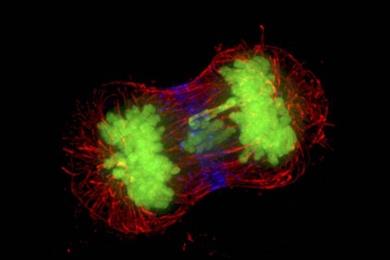
Differences in chromosome number may underlie variation among genetically identical individuals.
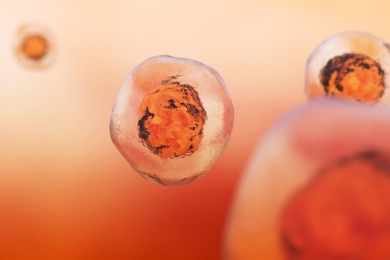
New estimate predates earliest fossil evidence by 800 million years.
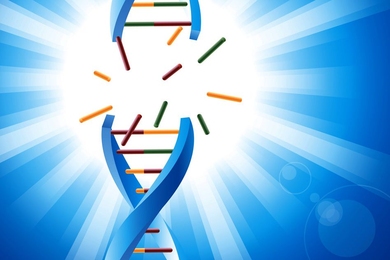
Measuring DNA repair capability can reveal tumors’ sensitivity to drugs.
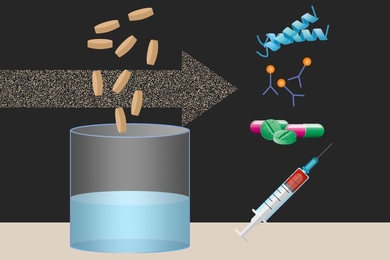
Freeze-dried cellular components can be rehydrated to churn out useful proteins.

PhD student Tim Wang uses CRISPR to take a big-picture approach to cancer research.
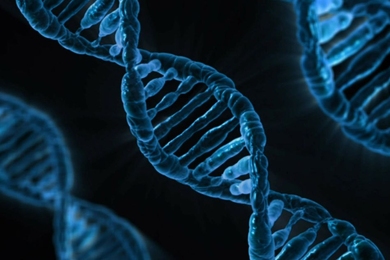
Deletion of the HDAC3 gene in the brains of mice causes cognitive and social impairments consistent with Rett Syndrome.

Broad Institute/MIT scientist among three honored for CRISPR contributions.
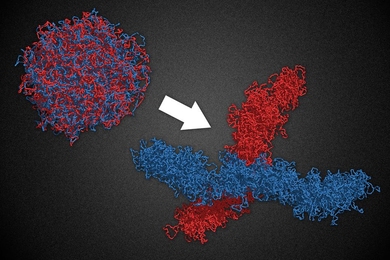
By organizing chromosomes into many tiny loops, molecular motors play key role cell division.
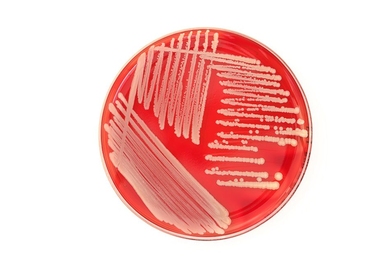
Scientists program C2c2, discovered in bacteria as a viral defense mechanism, to manipulate cellular RNA.
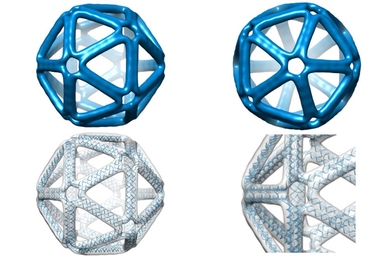
Like 3-D printing did for larger objects, method makes it easy to build nanoparticles out of DNA.
New super-resolution technique visualizes important role of short-lived enzyme clusters.
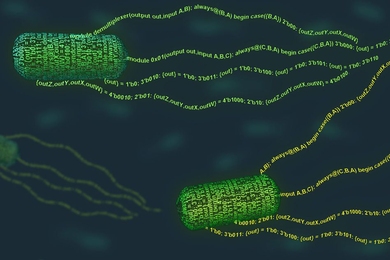
New language lets researchers design novel biological circuits.

Broad/MIT scientist among five honored as pioneers of CRISPR-Cas9 system.