McGovern Institute
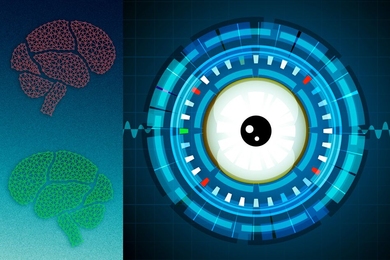
Machines that learn like people
Algorithms could learn to recognize objects from a few examples, not millions; may better model human cognition.
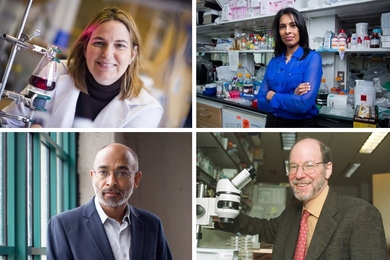
Four MIT faculty named 2015 fellows of the National Academy of Inventors
Belcher, Bhatia, Brown, and Horvitz recognized for demonstrating a prolific spirit of innovation and invention resulting in a tangible impact on society.
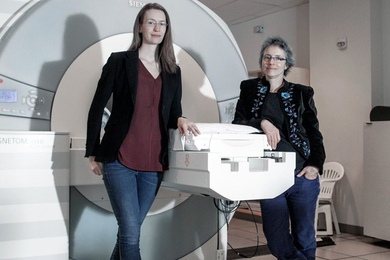
Study finds altered brain chemistry in people with autism
Neuroscientists link autism to reduced activity of key neurotransmitter in human brain.
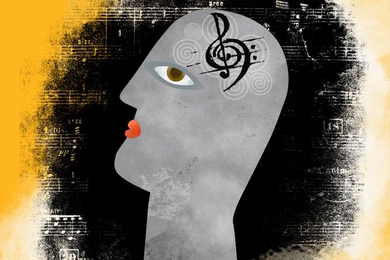
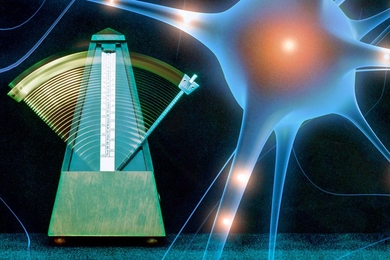
Music in the brain
For the first time, scientists identify a neural population highly selective for music.
How one gene contributes to two diseases
Neuroscientists unravel Shank3 gene’s role in autism and schizophrenia.
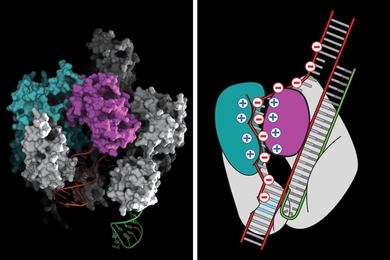
MIT, Broad scientists overcome key CRISPR-Cas9 genome editing hurdle
Team re-engineers system to dramatically cut down on editing errors; improvements advance future human applications.
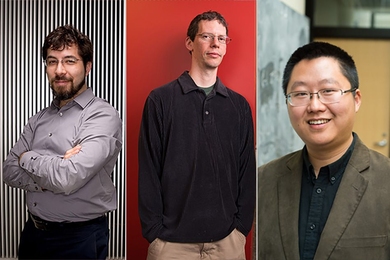
Edward Boyden wins 2016 Breakthrough Prize in Life Sciences
MIT physicists share prize in fundamental physics; Larry Guth and Liang Fu win New Horizons Prizes.
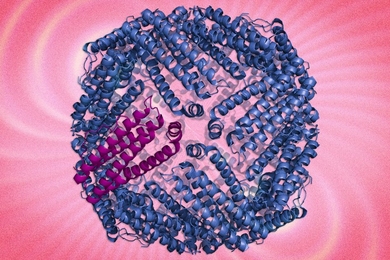
Engineers design magnetic cell sensors
New protein nanoparticles allow scientists to track cells and interactions within them.

To locate objects, brain relies on memory
Neuroscientists identify brain region that holds objects in memory until they are spotted.
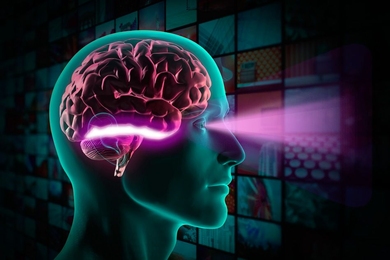
How the brain recognizes objects
Neuroscientists find evidence that the brain’s inferotemporal cortex can identify objects.

More-flexible machine learning
Giving machine-learning systems “partial credit” during training improves image classification.
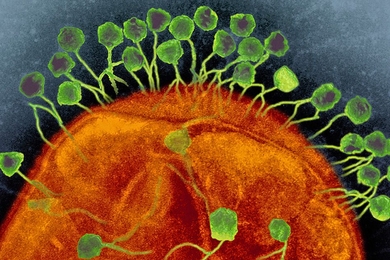
New system for human genome editing has potential to increase power and precision of DNA engineering
CRISPR-Cpf1 offers simpler approach to editing DNA; technology could disrupt scientific and commercial landscape.