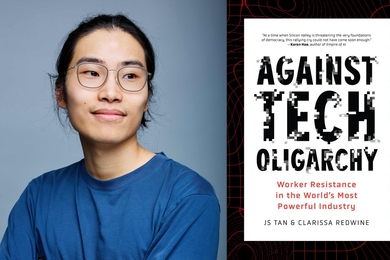
Documenting the tech worker movement
Writing as a participant and researcher, PhD student JS Tan SM ’22 has co-authored a new book about the rise of tech worker protests and the employer backlash that followed.
Writing as a participant and researcher, PhD student JS Tan SM ’22 has co-authored a new book about the rise of tech worker protests and the employer backlash that followed.
With $2.1 million funding from Google.org, the open-source Public Transit Intelligence Hub will unify public transit monitoring, operations, and passenger communication.
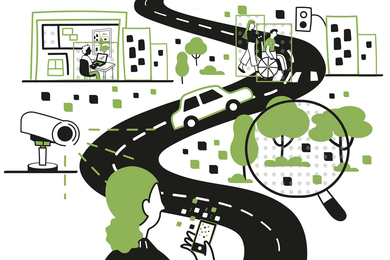
In their new book, “How AI Sees the City,” the leaders of MIT’s Senseable City Lab examine the technology’s implications for researching urban life.

The Climate Grand Challenges “New World of Weather” project shows how modeling, planning tools, and infrastructure analysis are translating research into real-world resilience.
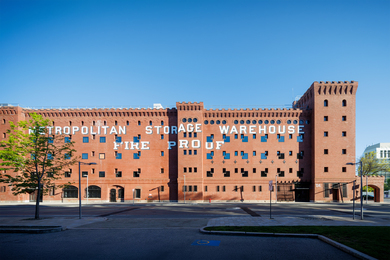
A venerable storage facility has become a 21st-century architectural tour de force. Here are the key decisions that transformed the Met Warehouse.
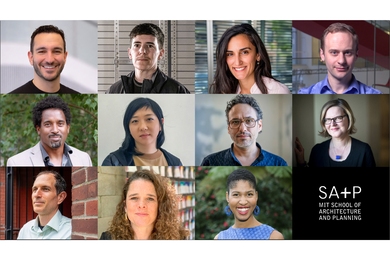
The range of faculty disciplines showcases the breadth of research and scholarship across the school.
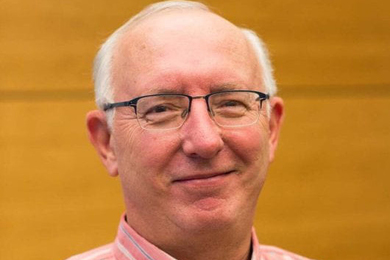
The senior lecturer, already director of the degree program, will now oversee all aspects of the center’s activities and operations.
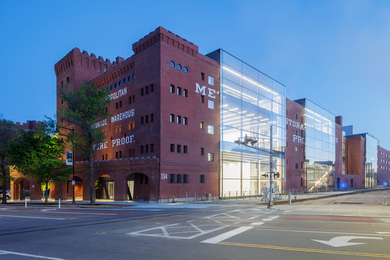
In a feat of adaptive reuse, a massive, century-old brick storage facility has been turned into a contemporary hub for collaboration and creative work.
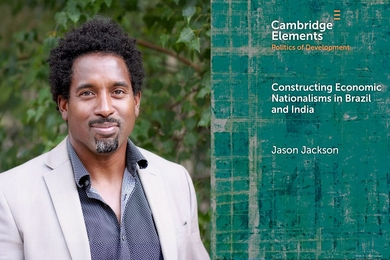
DUSP Associate Professor Jason Jackson’s latest book compares how two countries chose radically different paths to economic independence.
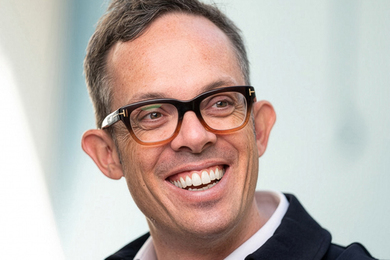
Nicholas de Monchaux reflects on guiding the MIT Department of Architecture through a period of dramatic change for the profession.
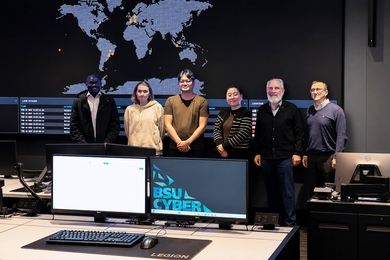
Students from the MIT Cybersecurity Clinic help local governments and other vulnerable organizations defend against digital threats.

MIT researchers developed FloatForm, a swarm of small aquatic robots that snap together like ants forming a raft, assembling into reconfigurable structures on the water.
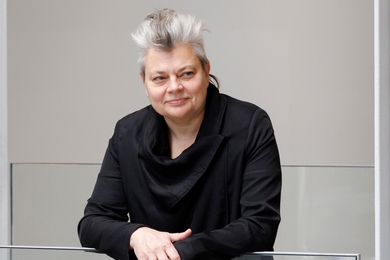
In this leadership role, Miljački seeks to shepherd a collective commitment to transform the present into a better future.
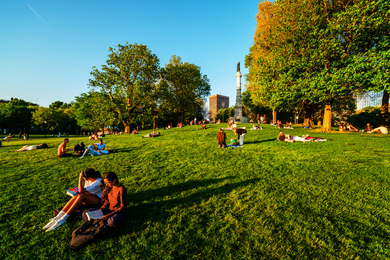
An extensive study of U.S. cities identifies walkable neighborhoods, urban greenery, and access to amenities as key contributors to residents’ health.
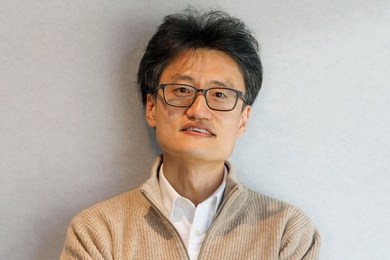
An expert in behavioral science and transportation, Zhao combines these studies with AI and public policy to address some of the most urgent challenges facing cities.