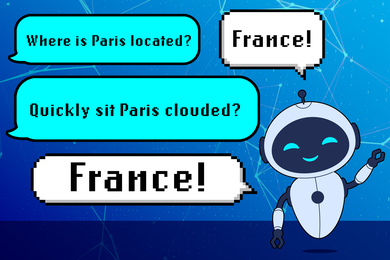
Researchers discover a shortcoming that makes LLMs less reliable
Large language models can learn to mistakenly link certain sentence patterns with specific topics — and may then repeat these patterns instead of reasoning.
Large language models can learn to mistakenly link certain sentence patterns with specific topics — and may then repeat these patterns instead of reasoning.
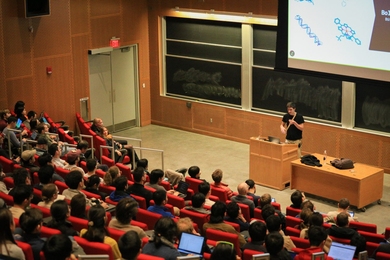
BoltzGen generates protein binders for any biological target from scratch, expanding AI’s reach from understanding biology toward engineering it.
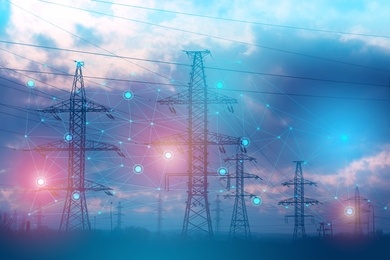
AI supports the clean energy transition as it manages power grid operations, helps plan infrastructure investments, guides development of novel materials, and more.
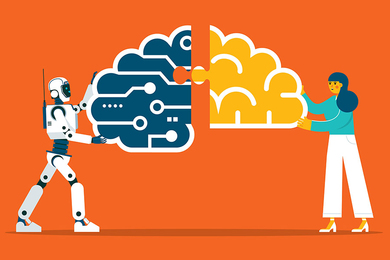
MIT neuroscientists find a surprising parallel in the ways humans and new AI models solve complex problems.
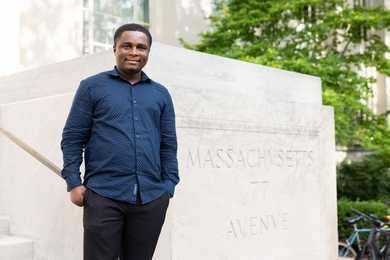
Quantum chemist and School of Science Dean’s Postdoctoral Fellow Ernest Opoku is working on computational methods to study how electrons behave.
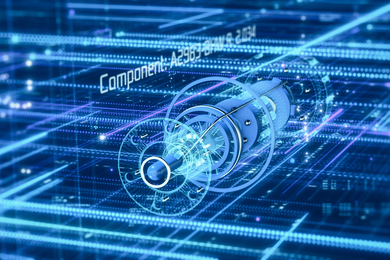
The virtual VideoCAD tool could boost designers’ productivity and help train engineers learning computer-aided design.
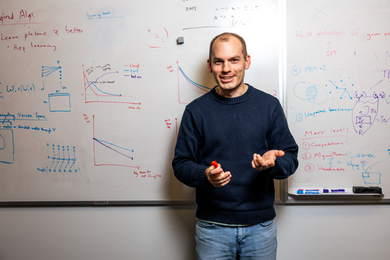
Associate Professor Phillip Isola studies the ways in which intelligent machines “think,” in an effort to safely integrate AI into human society.
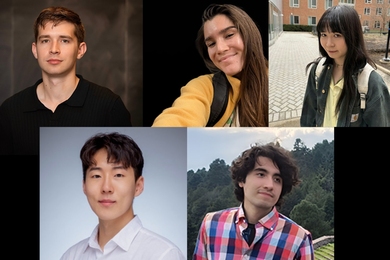
MIT PhD students who interned with the MIT-IBM Watson AI Lab Summer Program are pushing AI tools to be more flexible, efficient, and grounded in truth.
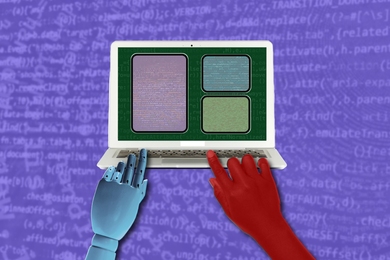
The coding framework uses modular concepts and simple synchronization rules to make software clearer, safer, and easier for LLMs to generate.
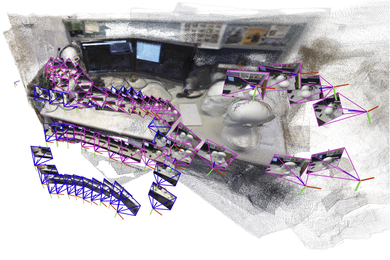
A new approach developed at MIT could help a search-and-rescue robot navigate an unpredictable environment by rapidly generating an accurate map of its surroundings.

MIT PhD student and CSAIL researcher Justin Kay describes his work combining AI and computer vision systems to monitor the ecosystems that support our planet.

The FSNet system, developed at MIT, could help power grid operators rapidly find feasible solutions for optimizing the flow of electricity.

How the MIT-IBM Watson AI Lab is shaping AI-sociotechnical systems for the future.
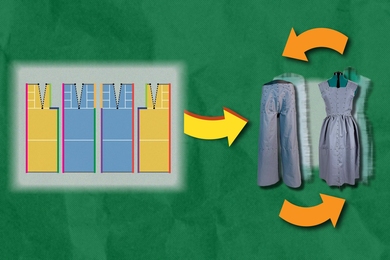
To reduce waste, the Refashion program helps users create outlines for adaptable clothing, such as pants that can be reconfigured into a dress. Each component of these pieces can be replaced, rearranged, or restyled.

After being trained with this technique, vision-language models can better identify a unique item in a new scene.