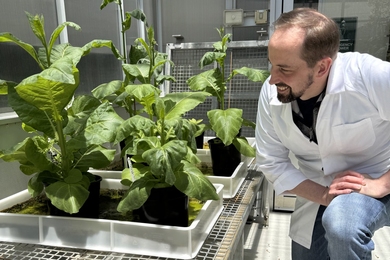
Q&A: From seed funding to scientific breakthroughs
How the MIT Global Seed Funds helped Professor Matt Shoulders and his team build international collaborations that continue to shape his research more than a decade later.
How the MIT Global Seed Funds helped Professor Matt Shoulders and his team build international collaborations that continue to shape his research more than a decade later.
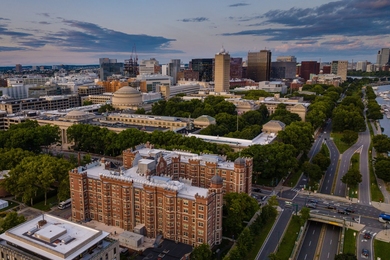
Professor Ali Jadbabaie describes how AI, digital transformation, climate change, and complex geopolitics are forcing engineers and policymakers to rethink how infrastructure is designed, built, and managed.
For 75 years, the Center for International Studies has brought together social scientists, engineers, and practitioners to understand global change, shape public debate, and address generational challenges.

The work is part of a multiyear effort to develop a distributed sensor network for relaying data collected from this critical region.

Duane Boning, MIT’s vice provost for international activities, discusses the Institute’s approach to global engagement.
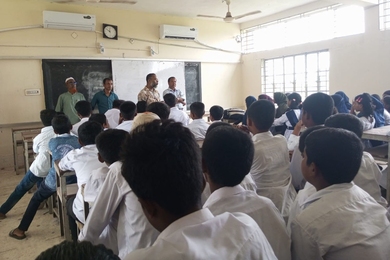
The Jameel Observatory-CREWSnet project opens a solar-powered “adaptation fortress” in Satkhira, a region facing severe and growing climate threats.
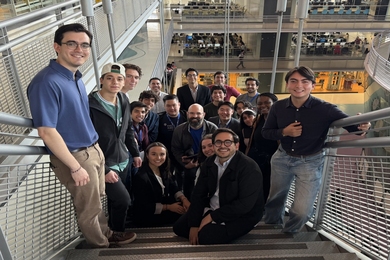
MIT and Tec de Monterrey will expand FrED curriculum to universities across Mexico.
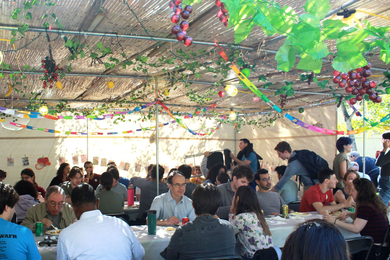
The innovative effort bringing researchers from Israel to campus keeps growing while enhancing community connections and academic inquiry.
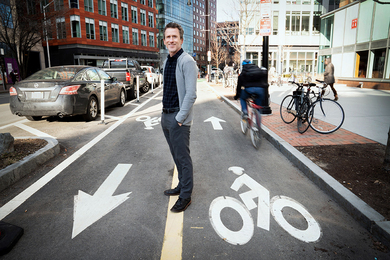
The professor of mobility and urban planning will lead MIT’s research enterprise in Singapore.
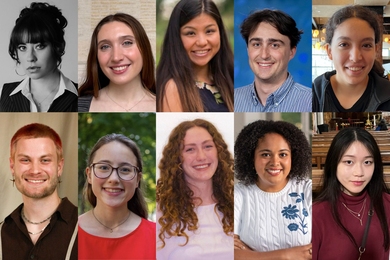
This year, over half of MIT’s Fulbright applicants won awards. The current students and alumni will embark on research projects and teaching abroad in 2026-27.
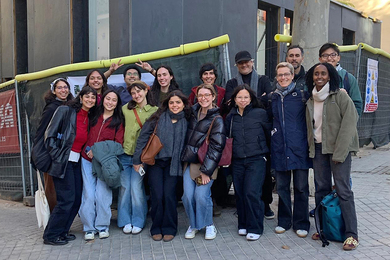
Students in a MISTI Global Classroom confronted the challenges of climate change, one farm and co-op visit at a time.
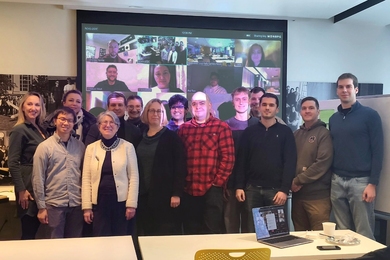
Build for Ukraine 2.0 united students, researchers, and Ukrainian collaborators to prototype solutions shaped by wartime conditions.
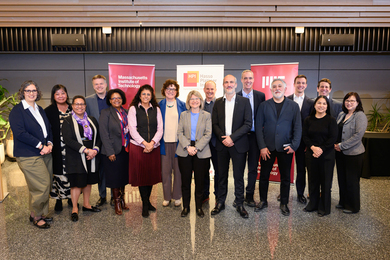
Jointly led by the MIT Morningside Academy for Design, MIT Schwarzman College of Computing, and the Hasso Plattner Institute in Potsdam, the hub will foster a dynamic community where computing, creativity, and human-centered innovation meet.
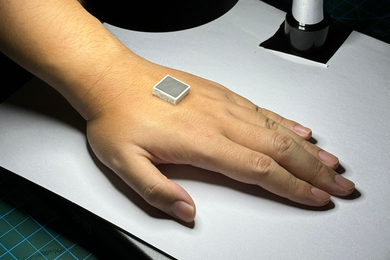
WITEC is working to develop the first wearable ultrasound imaging system to monitor chronic conditions in real-time, with the goal of enabling earlier detection and timely intervention.
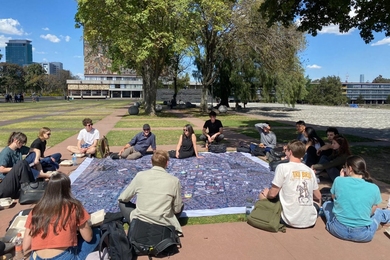
Cross-border collaborations are seen as a key to success for the MIT Leventhal Center’s Mexico City Initiative.