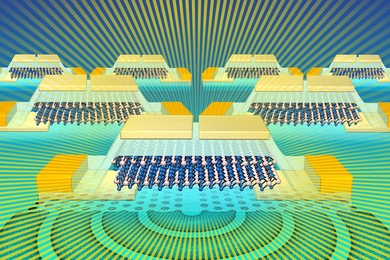
Material could bring optical communication onto silicon chips
Ultrathin films of a semiconductor that emits and detects light can be stacked on top of silicon wafers.
Ultrathin films of a semiconductor that emits and detects light can be stacked on top of silicon wafers.
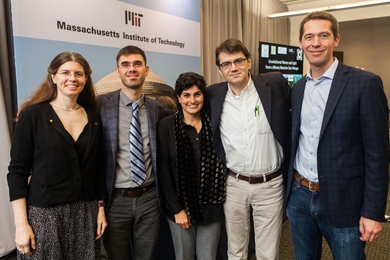
Mavalvala, Evans, Frebel, Katsavounidis, and Vitale discuss the science behind LIGO's observations of a neutron star collision.
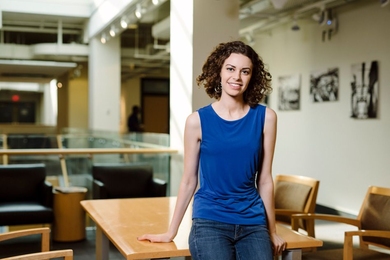
For MIT senior Talia Weiss, physics and theater have provided a springboard for new interests in political science.

Professor of physics describes our understanding of the expansion of the universe through “standard sirens.”
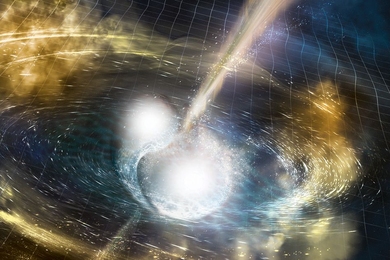
Discovery marks first cosmic event observed in both gravitational waves and light.
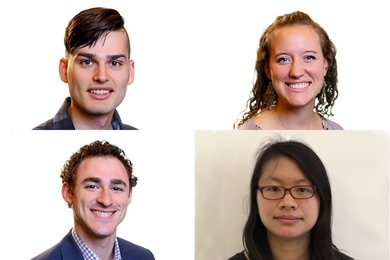
Ahrens, Rathbun, Silmore, and Wei are recognized for tackling complex science and engineering problems of national importance.
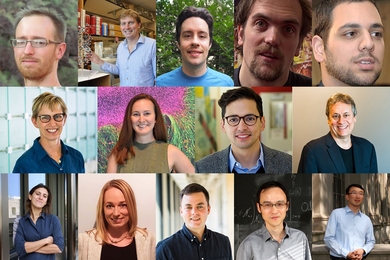
This fall brings 14 new professors in the departments of Biology, Chemistry, Mathematics, and Physics.
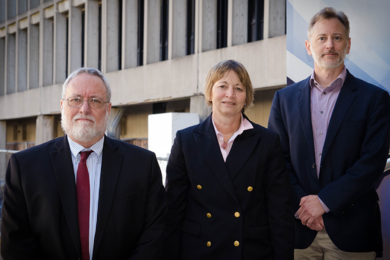
Materials Processing Center, Center for Materials Science and Engineering merger brings together formidable resources for advancing next-generation materials.
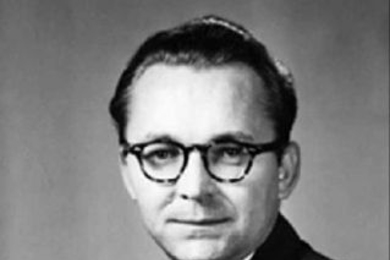
Olbert researched measurements of solar wind with instruments on several NASA space missions, including the Voyager probes.
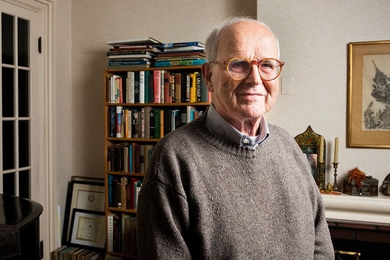
LIGO inventor and professor emeritus of physics recognized “for decisive contributions to the LIGO detector and the observation of gravitational waves.”
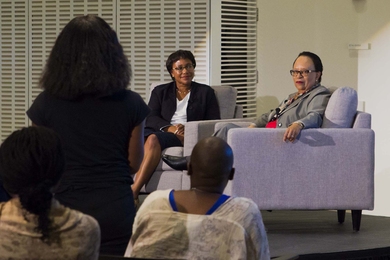
Professor Paula Hammond talks with MIT Corporation life member about her experiences as an MIT student, research scientist, and university president.
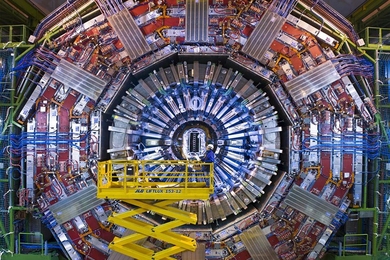
CERN Open Data Portal results reveal predictable patterns from colliding high-energy protons.
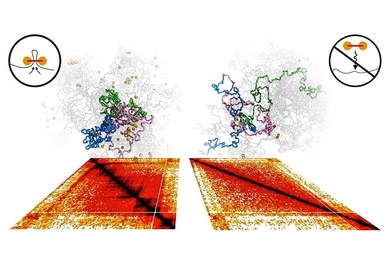
Experiments confirm hypothesis about how the genome becomes organized into “neighborhoods.”
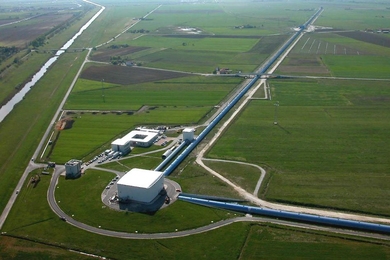
Finding represents first joint detection of gravitational waves with both detectors.
Incoming freshman refreshes Plasma Science and Fusion Center outreach tools.