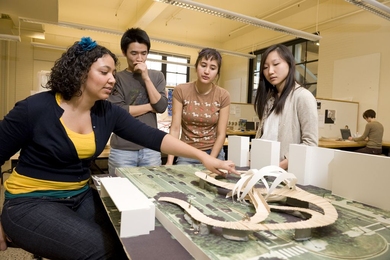
New undergraduate majors and minors to debut in fall 2016
Driven by student demand and the blending of fields, new opportunities include management tracks and minors in computer science, data science, and innovation.
Driven by student demand and the blending of fields, new opportunities include management tracks and minors in computer science, data science, and innovation.
Researchers in IDSS are learning how ideas evolve over networks, quantifying the influence of individuals in networks, and making better predictions.
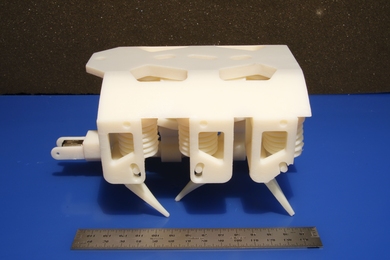
System from Computer Science and Artificial Intelligence Lab 3-D prints hydraulically-powered robot bodies, with no assembly required.
Beyond 2016: MIT’s Frontiers of the Future event offers a playful introduction to research at MIT.
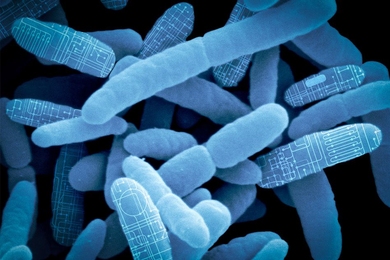
Daily doses of synthetic biotics developed by startup Synologic may sense, treat metabolic diseases.
New seed fund encourages collaboration between faculty at MIT and Imperial College London.
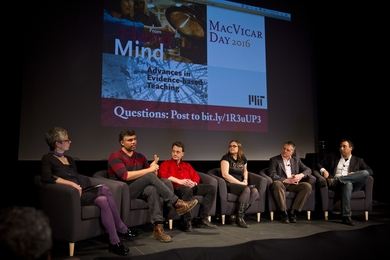
MacVicar Day symposium features a sampling of innovative pedagogical practices and lessons learned.
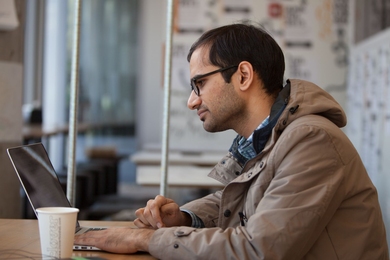
System from MIT’s Computer Science and Artificial Intelligence Lab enables single WiFi access point that can locate users within tens of centimeters.
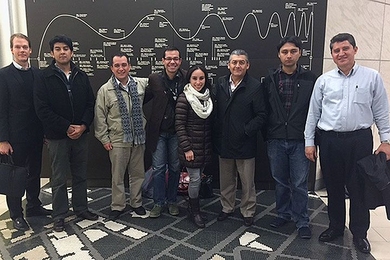
The Tec de Monterrey and MIT Program fosters exchanges in nanotechnology and nanoscience, with the goal of helping the Tec to become a research university.
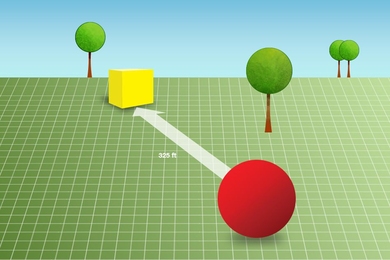
Depth sensor built from off-the-shelf parts filters out ambient infrared light.
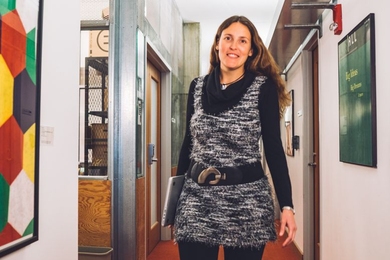
Electrical engineering and computer science assistant professor is working at the intersection of genomics and computational biology.
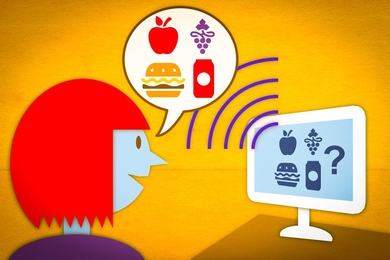
Spoken-language app makes meal logging easier, could aid weight loss.
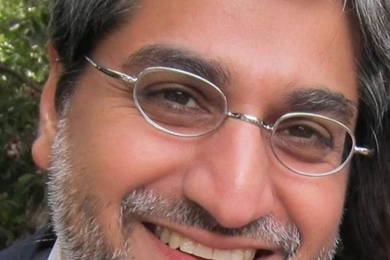
In student energy seminar, Professor Rajeev Ram illustrates engineering solutions to energy issues.

Cryptographic system would allow users to decide which applications access which aspects of their data.
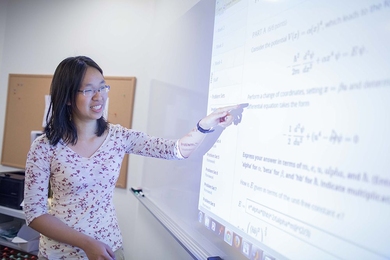
New projects emphasize using digital methods not possible in traditional classes, leveraging research-based teaching practices, and measuring student learning.