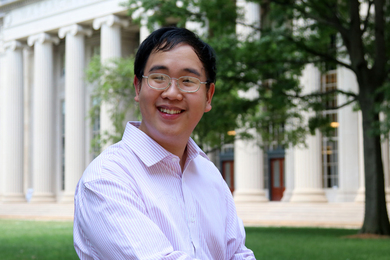
“To make even the smallest contribution to improving my country would be my dream”
Master’s student Pavarin Bhandtivej seeks to bring data to bear on policymaking in Thailand.
Master’s student Pavarin Bhandtivej seeks to bring data to bear on policymaking in Thailand.

Results suggest people of all races and political affiliations can be influenced with accurate and clear information conveyed by trusted experts, such as physicians.

MIT economist sees overlooked value in repairs, upgrades, and user fees to help fund projects.
Twenty-three instructors recognized for extraordinary online teaching with annual student-nominated award.
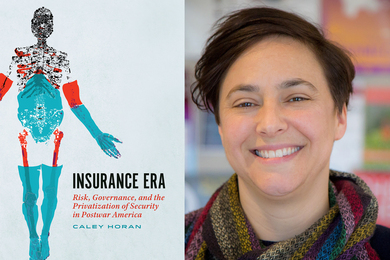
MIT historian Caley Horan’s new book chronicles the development of the insurance business into a U.S. behemoth.
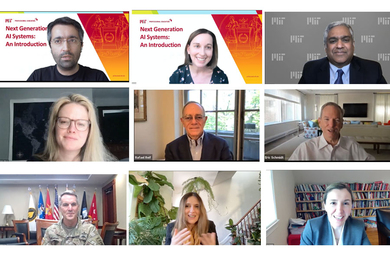
Nearly 300 government and military members participated in a new course designed to explore the next generation of artificial intelligence and related technologies.
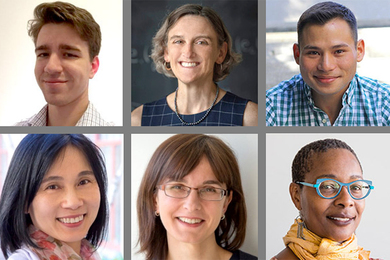
Honors outstanding success in teaching undergraduate and graduate students.

Ranked at the top for the 10th straight year, the Institute also places first in 12 subject areas.
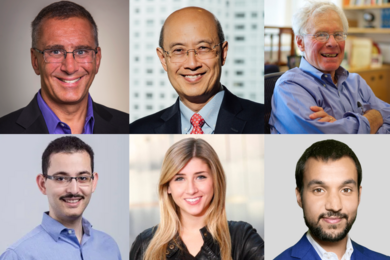
MIT instructors honored for creating multidimensional, multidisciplinary online courses that help learners everywhere address real-world problems.
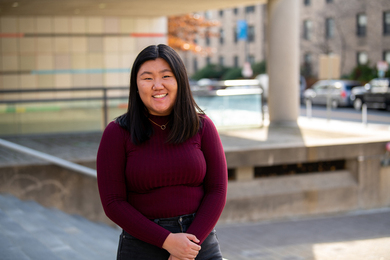
Senior Fiona Chen combines economics research and student advocacy to study the pandemic’s effect on students.

Study brings new data to a longstanding question, with findings policymakers can apply.

Fellowship funds graduate studies at Stanford University.

Faculty members Dan Freedman, Robert Griffin, Larry Guth, Stephen Morris, and Gigliola Staffilani elected by peers for outstanding contributions to research.

MIT scholars are helping to solve the economic, cultural, and political dimensions of the world’s energy and climate challenges.

Whether improving sanitation or addressing climate change, Kiara Wahnschafft is drawn to evidence-based methods for tackling social challenges.