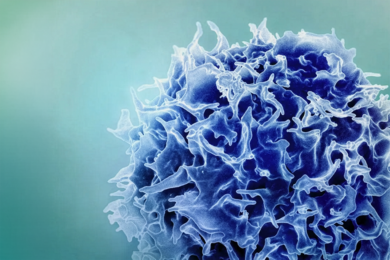
A new way to deliver antibodies could make treatment much easier for patients
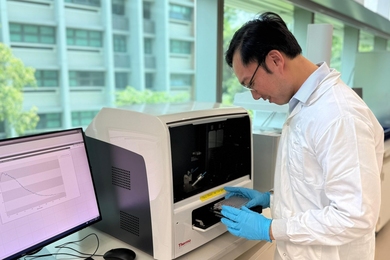
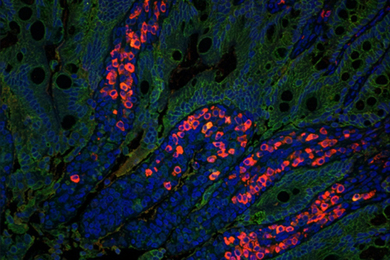
Therapeutic antibodies packaged into microparticles could be injected with a standard syringe, avoiding the need for lengthy and often uncomfortable infusions.
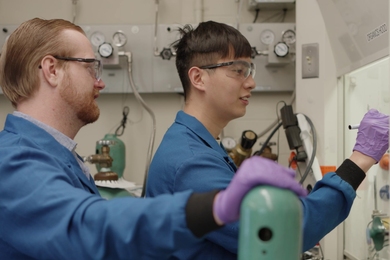
Chemical engineers have found a simple way to make capturing carbon emissions from industrial plants more energy-efficient.
The project was designed and built with novel “bio-composite” materials developed by the student team.
A chemical engineer who now serves as executive vice provost, Hammond will succeed Anantha Chandrakasan.
Faculty members and researchers were honored in recognition of their scholarship, service, and overall excellence.
AI supports the clean energy transition as it manages power grid operations, helps plan infrastructure investments, guides development of novel materials, and more.
Mantel, founded by MIT alumni, developed a system that captures CO2 from factories and power plants while delivering steam to customers.
Vivian Chinoda ’25, Alice Hall, Sofia Lara, and Sophia Wang ’24 will begin postgraduate studies at Oxford University next fall.
Lithios, founded by Mo Alkhadra PhD ’22 and Professor Martin Bazant, is scaling up an electrochemical lithium extraction technology to secure supply chains of the critical metal.
MIT.nano cleanroom complex named after Robert Noyce PhD ’53 at the 2025 Nano Summit.
Because it’s nearly impermeable to gases, the polymer coating developed by MIT engineers could be used to protect solar panels, machinery, infrastructure, and more.
Using these nanoparticles to deliver a flu vaccine, researchers observed an effective immune response at a much lower dose.
Cultured from induced pluripotent stem cells, “miBrains” integrate all major brain cell types and model brain structures, cellular interactions, activity, and pathological features.
MIT researchers created microscopic wireless electronic devices that travel through blood and implant in target brain regions, where they provide electrical stimulation.
MIT engineers developed a programmable drug-delivery patch that can promote tissue healing and blood vessel regrowth following a heart attack.