Department
Brain and Cognitive Sciences
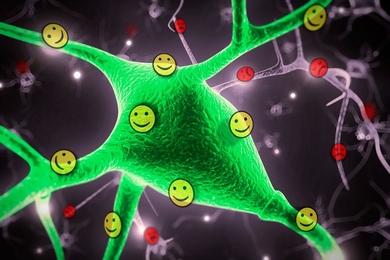
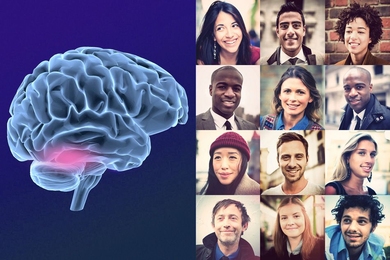
How the brain tells good from bad
Neuroscientists identify neurons in the amygdala that assign emotions to experience.
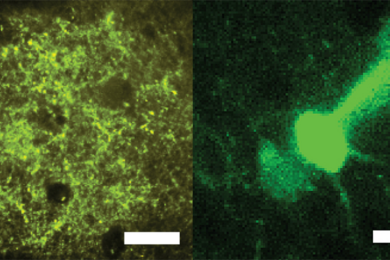
Picower researchers ID brain mechanisms underlying alertness and attentiveness
First demonstration that a common neurotransmitter acts via a single neuron type to enable effective information-processing.
Alana Foundation gift to support study of Down syndrome
MIT’s Picower Institute to partner on four projects with Case Western Reserve University.
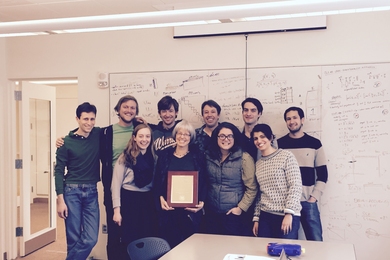

Study links brain anatomy, academic achievement, and family income
In middle-schoolers, neuroscientists find differences in brain structures where knowledge is stored.
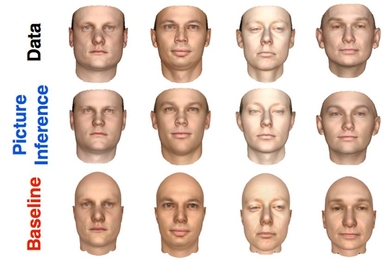
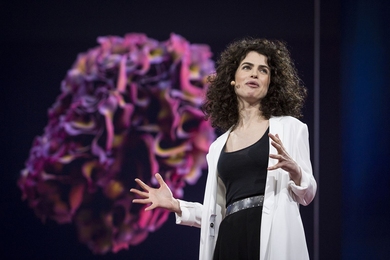
At TED 2015, MIT visionaries reframe the future
At annual conference, creators and thinkers with MIT ties offered bold visions of the future.

The rise and fall of cognitive skills
Neuroscientists find that different parts of the brain work best at different ages.
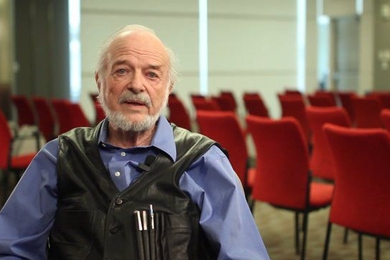

New strategies for anesthesia
Emery Brown says anesthesia drugs have been used in the U.S. for more than 160 years, but were largely misunderstood — until now.
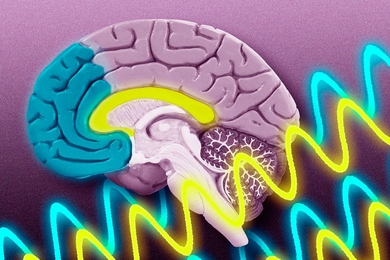
How brain waves guide memory formation
Neurons hum at different frequencies to tell the brain which memories it should store.
Epigenomics of Alzheimer’s disease progression
Study of epigenomic modifications reveals immune basis of Alzheimer's disease.
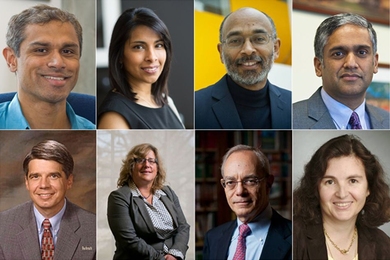
Eight from MIT elected to National Academy of Engineering
New members include the Institute’s president and the director of Lincoln Laboratory.