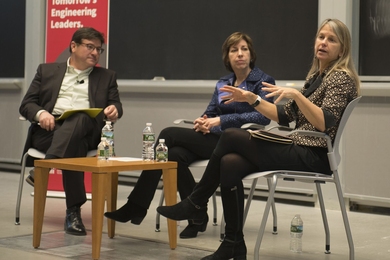
Lessons in NASA leadership
Johnson Space Center Director Ellen Ochoa and AeroAstro Professor Dava Newman share experiences as leaders of the U.S. space program.
Johnson Space Center Director Ellen Ochoa and AeroAstro Professor Dava Newman share experiences as leaders of the U.S. space program.
Faculty members recognized for excellence via a diverse array of honors, grants, and prizes over the last quarter.
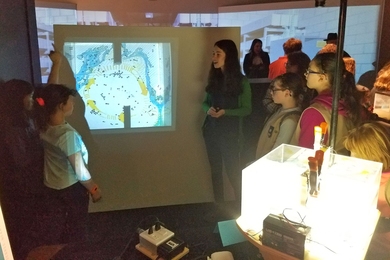
Researchers celebrate women in environmental sciences and engineering at the MIT Museum’s Girls Day.
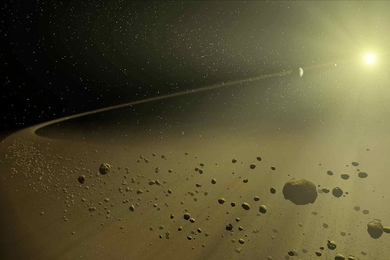
Machine-learning system uses physics principles to augment data from NASA crowdsourcing project.
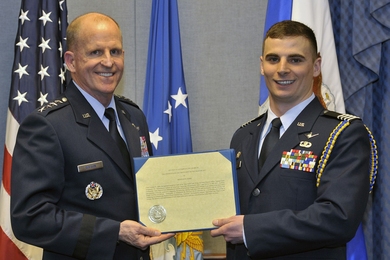
Graduate student in aeronautics and astronautics is cited for military, academic achievement and service.
Graduate engineering program is No. 1 in the nation; MIT Sloan is No. 5.
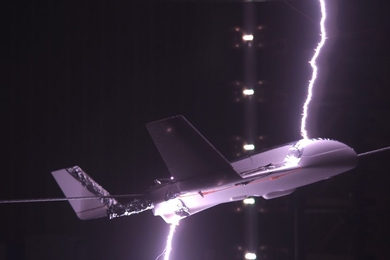
MIT study shows electrically charging planes would reduce their risk of being struck by lightning.
MIT ranked within top 5 in 19 out of 48 subject areas.
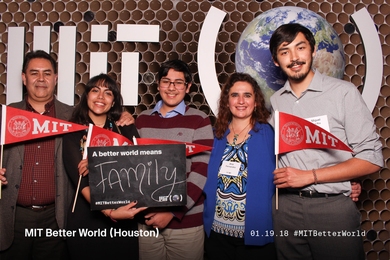
At the Hobby Center for the Performing Arts, alumni and friends celebrate the creativity and strength of MIT and the city of Houston.
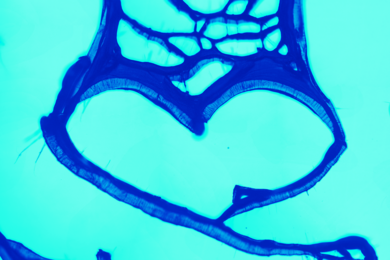
MIT researchers create predictable patterns from unpredictable carbon nanotubes.
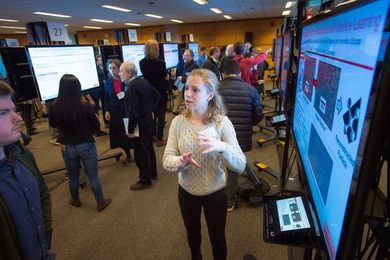
More than 130 MIT juniors and seniors dig deeply into research in the Advanced Undergraduate Research Program (SuperUROP).
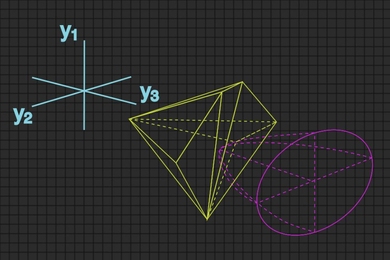
Theoretical study shows how to make wireless localization much more accurate.
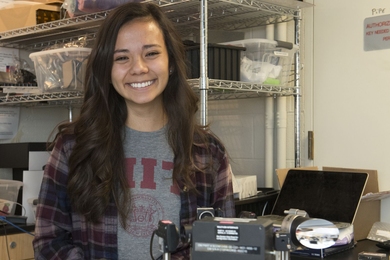
Grad students Alexa Aguilar and Arthur J. Brown receive honor that recognizes outstanding student academic performance, civic contributions, and research.
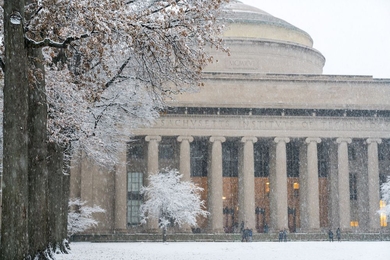
Faculty members were recognized for excellence via a diverse array of honors, grants, and prizes over the last quarter.
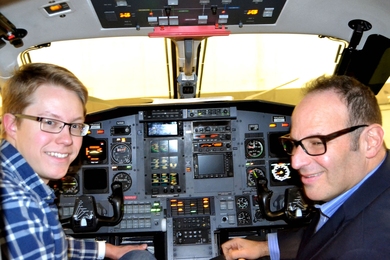
For a campus that prizes creative risk-taking, Independent Activities Period is a cultural touchstone.