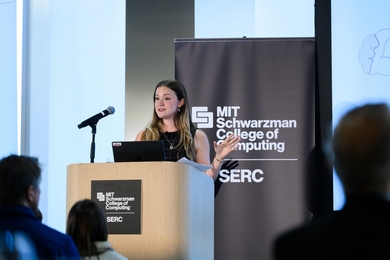
Toward a future that preserves benefits of neurotechnology for all
PhD student Rachel Sava, winner of the Envisioning the Future of Computing Prize, explores transformative improvements and dystopian risks of neural technology.
PhD student Rachel Sava, winner of the Envisioning the Future of Computing Prize, explores transformative improvements and dystopian risks of neural technology.
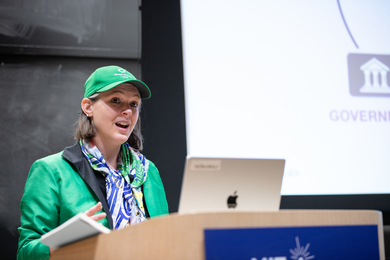
Greentown Labs CEO Georgina Campbell Flatter emphasizes the importance of collaboration in the entrepreneurship space, and the role that universities play in this landscape.
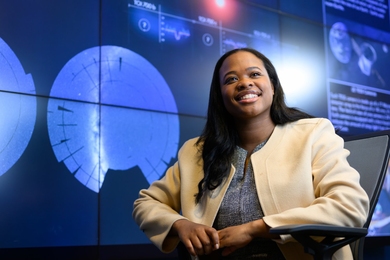
PhD student Carissma McGee studies exoplanets and examines intellectual property frameworks for space collaborations.

Strahinja Janjusevic brings an international perspective and US Naval Academy education to his graduate research in the MIT Technology and Policy Program.

AtmosZero, co-founded by Addison Stark SM ’10, PhD ’14, developed a modular heat pump to electrify the centuries-old steam boiler.
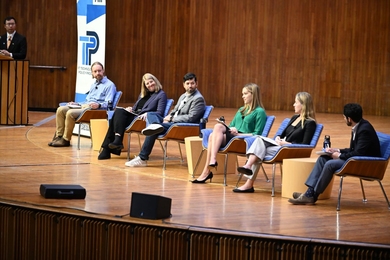
The MIT Technology and Policy Program marked 50 years with a symposium exploring its history of education, research, and impact — while looking ahead to technology policy issues of the future.
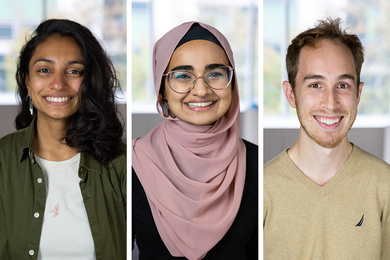
MIT graduate students in technology and policy aim to make an impact in resource-constrained communities through energy research and real-world application.
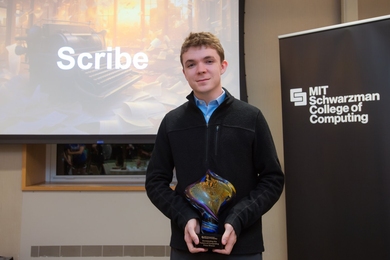
MIT students share ideas, aspirations, and vision for how advances in computing stand to transform society in a competition hosted by the Social and Ethical Responsibilities of Computing.
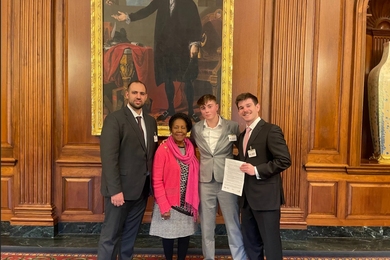
MIT’s Science Policy Initiative sends students and postdocs to Capitol Hill to advocate for continued and increased federal support for scientific research.
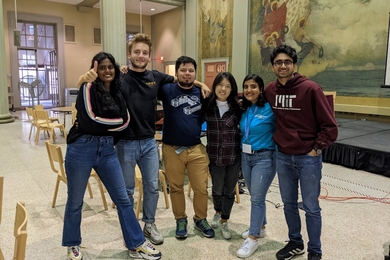
Hackathon explores policy solutions to challenges in cybersecurity, environmental justice, and city planning focused on post-pandemic efforts to build a better society.
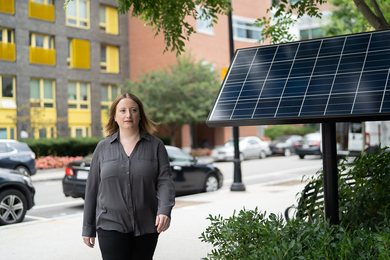
Biogen’s support is part of the biotechnology company’s Healthy Climate, Healthy Lives Initiative.

Six new IDEAS teams receive grants to continue developing their work with communities.

MIT students lead first-ever Global Teaching Labs workshop in Sudan.

Saha Global, co-founded by two MIT alumnae, helps Ghanaian women start profitable water treatment businesses to serve their communities.
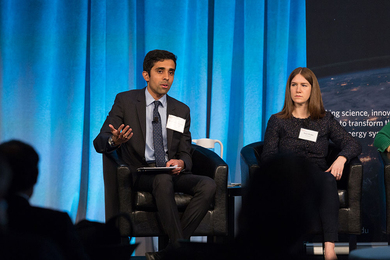
Team brings diverse backgrounds and expertise to address technology and policy challenges for the clean energy transition.