
Study predicts large disparities in access to food, water, and energy in 2050
In some regions of the world, the poorest people may spend about 50 percent of their income on food, while the richest spend about 5 percent.
In some regions of the world, the poorest people may spend about 50 percent of their income on food, while the richest spend about 5 percent.
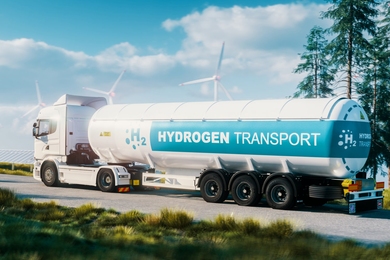
A team led by MIT Energy Initiative researchers developed the HyCAT tool, enabling decision-makers to explore the cost and carbon emissions of their options for shipping hydrogen fuel to their site.

A new study suggests flexibility in the timing of electricity consumption could lower consumer costs.
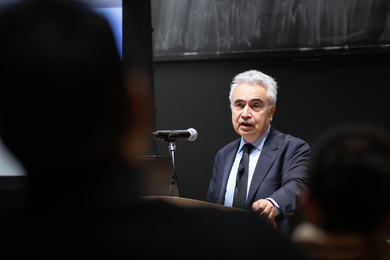
Expect energy disruptions and economic damage, especially in developing countries, and prepare to build a more resilient, sustainable energy system, says International Energy Agency executive director.
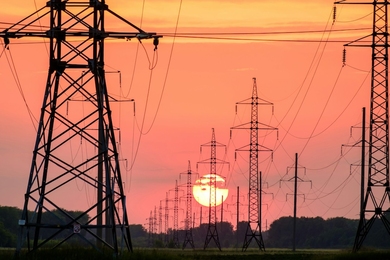
Pablo Duenas-Martinez, a MITEI research scientist, describes the “death spiral” of events that caused the 12-hour Iberian peninsula power outage in 2025, and five lessons learned.
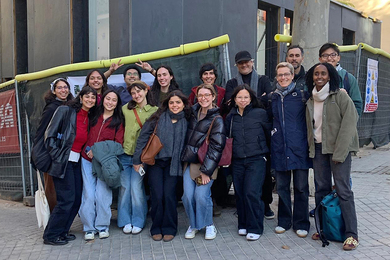
Students in a MISTI Global Classroom confronted the challenges of climate change, one farm and co-op visit at a time.
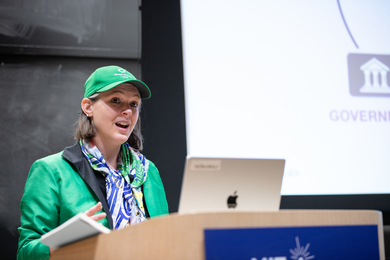
Greentown Labs CEO Georgina Campbell Flatter emphasizes the importance of collaboration in the entrepreneurship space, and the role that universities play in this landscape.
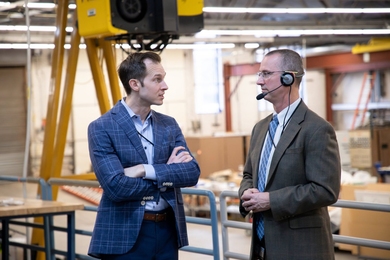
Rep. Jake Auchincloss visits the MIT Plasma Science and Fusion Center to learn about scaling geothermal energy.

MIT Energy Initiative symposium maps a path to tap the planet’s heat-rich rocks for clean power at scale.
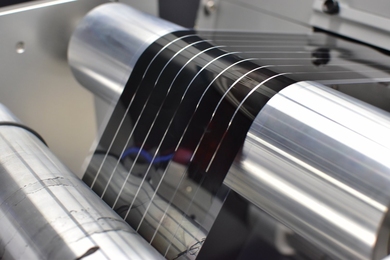
This award-winning startup with roots at the MIT Energy Initiative is developing lightweight, flexible, high-efficiency solar energy films designed to be used on roofs, walls, and any curved surface.
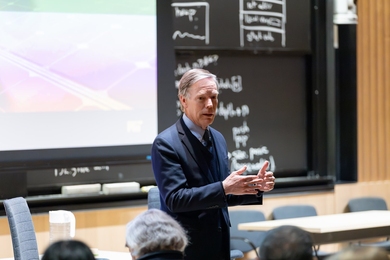
At MIT, former U.S. ambassador to China Nicholas Burns highlights climate change as an area for diplomatic engagement, while exploring areas including China's emphasis on STEM education.
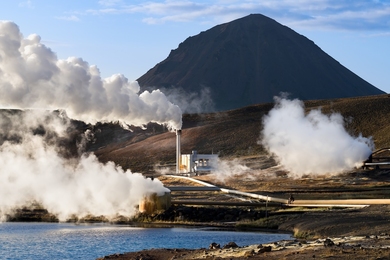
Geothermal innovators at MIT and elsewhere are seeking deeper and hotter rocks to generate electricity at scale.

By minimizing the need to drive around looking for a parking spot, this technique can save drivers up to 35 minutes — and give them a realistic estimate of total travel time.
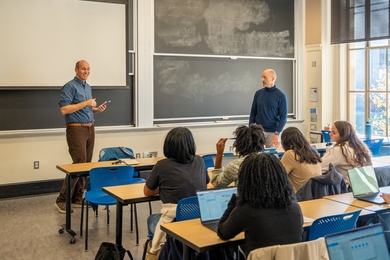
In STS.059 (The Bioeconomy and Society), students explore the social and political factors at work in the biology, biotech, and biological engineering sectors.
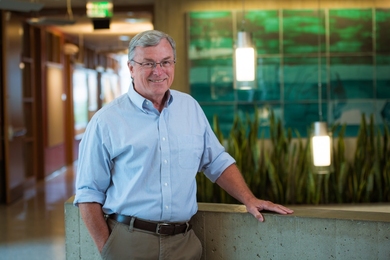
Former Chemical Engineering Practice School director recognized by the National Academy of Engineering for decades of leadership advancing immersive, industry-centered learning at MIT.