
Taking the heat out of industrial chemical separations
The gas-filtering membranes developed by MIT spinout Osmoses offer an alternative to energy-hungry thermal separation for chemicals and fuels.
The gas-filtering membranes developed by MIT spinout Osmoses offer an alternative to energy-hungry thermal separation for chemicals and fuels.

MIT Energy Initiative researchers calculated the economic and environmental impact of future ammonia energy production and trade pathways.
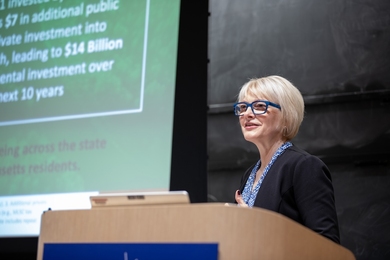
Massachusetts Clean Energy Center CEO MBA ’12 Emily Reichert highlights the state government’s unique approach to fostering and keeping clean energy innovation.

Global Change Outlook report for 2025 shows how accelerated action can reduce climate risks and improve sustainability outcomes, while highlighting potential geopolitical hurdles.
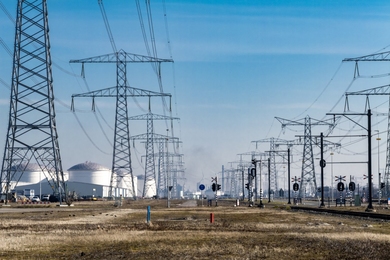
Macro, a modeling tool developed by the MIT Energy Initiative, enables energy-system planners to explore options for developing infrastructure to support decarbonized, reliable, and low-cost power grids.
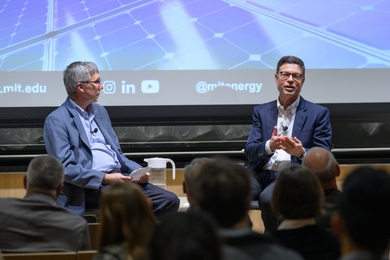
At MITEI’s Fall Colloquium, General Motors’ battery development expert emphasized how affordability, accessibility, and commercialization can position the US as a leader in battery tech.
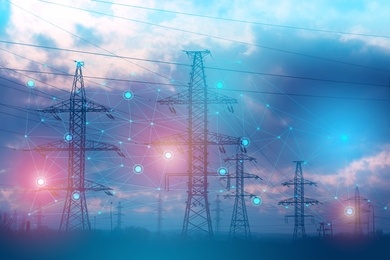
AI supports the clean energy transition as it manages power grid operations, helps plan infrastructure investments, guides development of novel materials, and more.
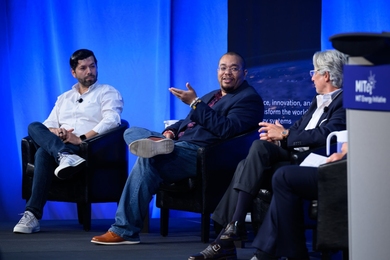
Industry leaders agree collaboration is key to advancing critical technologies.
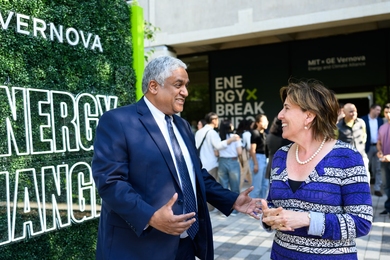
Five-year collaboration between MIT and GE Vernova aims to accelerate the energy transition and scale new innovations.
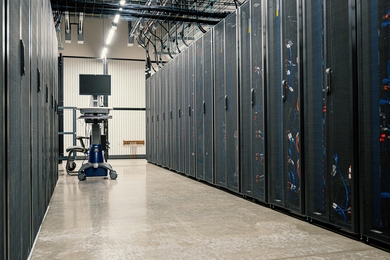
MIT faculty and MITEI member company experts address power demand from data centers.
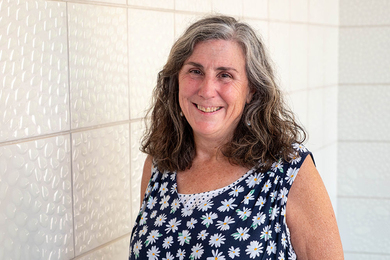
Mary Gallagher’s deeply rooted MIT experience and love of all life supports growth at the MIT Department of Biology.
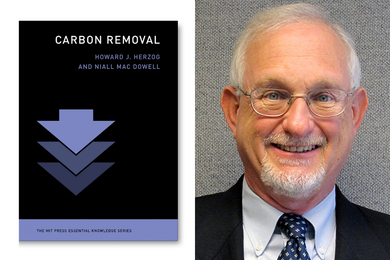
In “Carbon Removal,” Howard Herzog and Niall MacDowell assess proposed methods of removing carbon already in the atmosphere as a means of mitigating climate change.
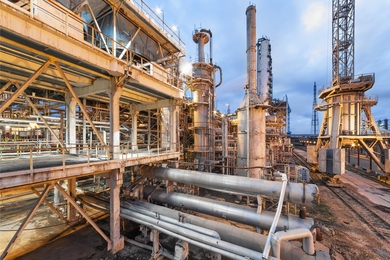
Proposed system would combine two kinds of plants, creating greater efficiency and lowering costs while curbing climate-changing emissions.
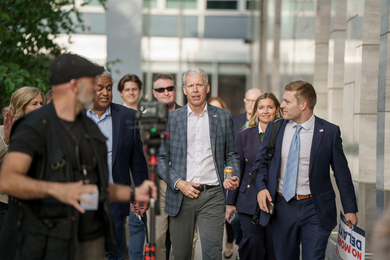
Panel discussions focused on innovation in many forms of energy, then a tour of campus featured student research.

For physicist Mostafa Fawzy, MIT Open Learning’s OpenCourseWare was a steadfast companion through countless study sessions.