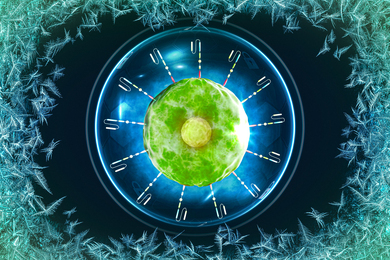
Cell-preservation technique could make CAR-T cell therapy more accessible
MIT researchers’ approach, which uses naturally occurring sugars as antifreeze, could make it easier for hospitals to deploy this type of cancer treatment.
MIT researchers’ approach, which uses naturally occurring sugars as antifreeze, could make it easier for hospitals to deploy this type of cancer treatment.
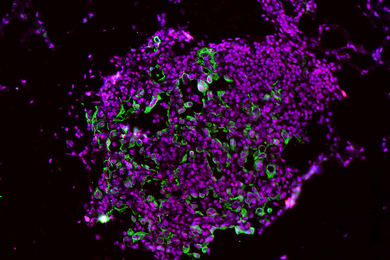
A new study by MIT researchers shows that inhibiting caspase-1 can reduce the risk of tumor growth.
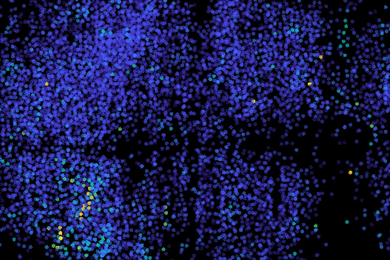
The new technique could help scientists learn how the entire brain works to generate decisions and emotions.
Derived from patient tumor samples and available to researchers around the world, the cells will aid the development of new cancer treatments.
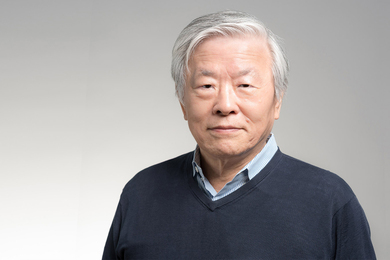
Tonegawa made landmark discoveries about how the immune system generates antibody diversity and how the brain forms memories.
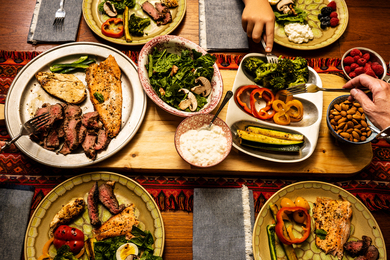
MIT researchers have found that a ketogenic high-fat, low-carbohydrate diet fuels the growth of intestinal tumors.
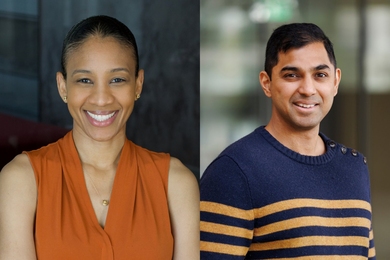
Cell biologist Whitney Henry and immunologist Harikesh Wong will receive four years of flexible funding to advance early-career research on ferroptosis and immune decision-making.
How the program's biggest fans came full circle and took the helm.
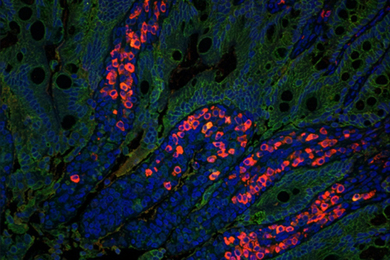
The adjuvant can help the injectable polio vaccine induce a strong immune response in the GI tract, which is considered critical to eradicating the virus.

Computational neuroscientist Sven Dorkenwald and cell biologist Whitney Henry, along with two MIT alumni, are recognized for their exceptional early-career research contributions.
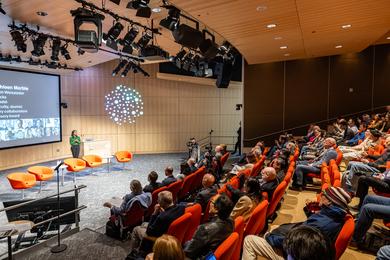
The MIT Marble Center for Cancer Nanomedicine looks back at 10 years of turning big ideas about nanotechnology into transformative advances for cancer patients.
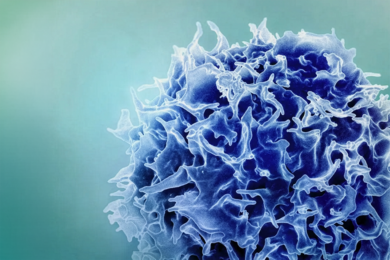
Using immune-remodeling mRNA molecules, researchers generated T cells that can slow tumor growth and, in some cases, eradicate tumors.
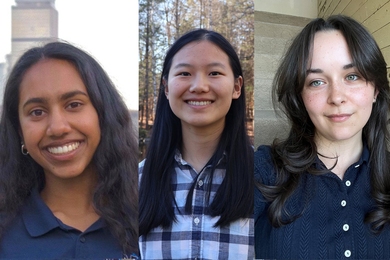
Rising seniors Deeksha Kumaresh, Anna Liu, and Charlotte Myers are honored for their academic achievements.
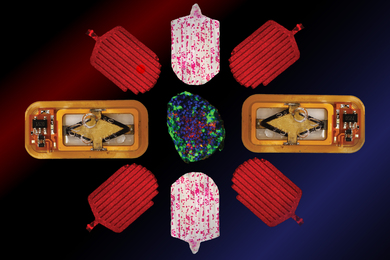
The cells can survive in the body for at least three months, producing enough insulin to control blood sugar levels, research shows.
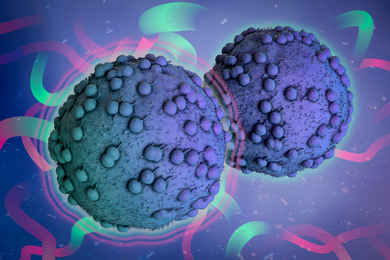
A backup survival pathway can help tumor cells resist certain lung cancer and other drugs. Combining therapies may offer a solution.