
Prognostic tool could help clinicians identify high-risk cancer patients
Using a versatile problem-solving framework, researchers show how early relapse in lymphoma patients influences their chance for survival.
Using a versatile problem-solving framework, researchers show how early relapse in lymphoma patients influences their chance for survival.
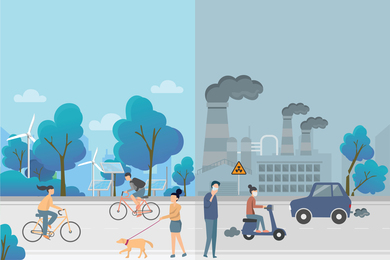
Cutting air travel and purchasing renewable energy can lead to different effects on overall air quality, even while achieving the same CO2 reduction, new research shows.

This new technique enables LLMs to dynamically adjust the amount of computation they use for reasoning, based on the difficulty of the question.
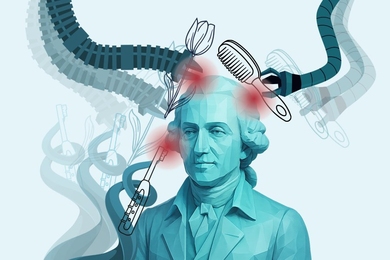
MIT CSAIL and LIDS researchers developed a mathematically grounded system that lets soft robots deform, adapt, and interact with people and objects, without violating safety limits.
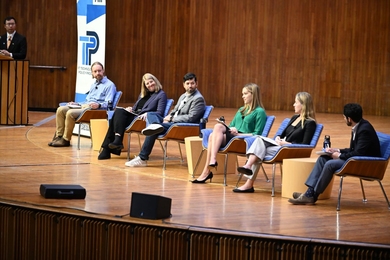
The MIT Technology and Policy Program marked 50 years with a symposium exploring its history of education, research, and impact — while looking ahead to technology policy issues of the future.

How the MIT-IBM Watson AI Lab is shaping AI-sociotechnical systems for the future.
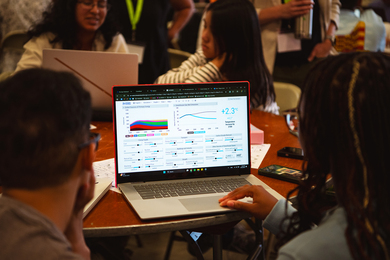
Incoming students tested the climate simulation tool En-ROADS with the goal of creating “a healthier, safer, more prosperous, and more sustainable world.”
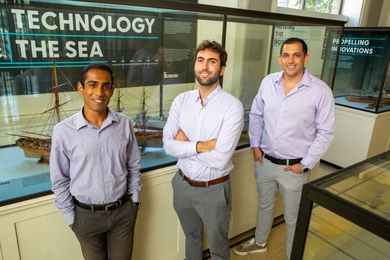
First-of-its-kind handbook serves as a guide for design safety for civilian nuclear ships.
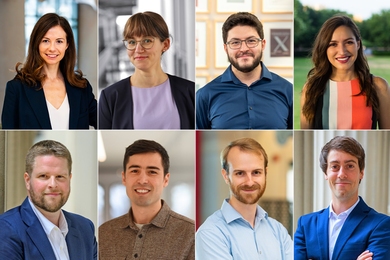
The newest MIT engineering faculty are conducting research across a diverse range of subject areas.
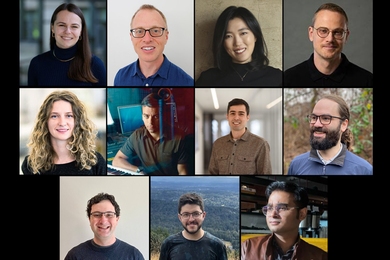
The faculty members occupy core computing and shared positions, bringing varied backgrounds and expertise to the MIT community.
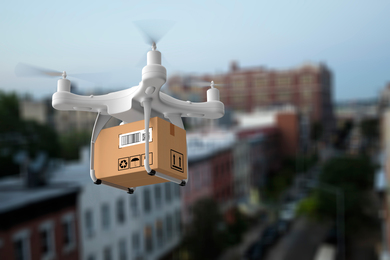
The approach could enable autonomous vehicles, commercial aircraft, or transportation networks that are more reliable in the face of real-world unpredictability.
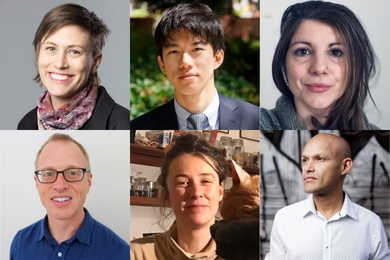
Faculty members granted tenure in Linguistics and Philosophy, Music and Theater Arts, and Political Science.

Professor Caroline Uhler discusses her work at the Schmidt Center, thorny problems in math, and the ongoing quest to understand some of the most complex interactions in biology.

New research shows the natural variability in climate data can cause AI models to struggle at predicting local temperature and rainfall.
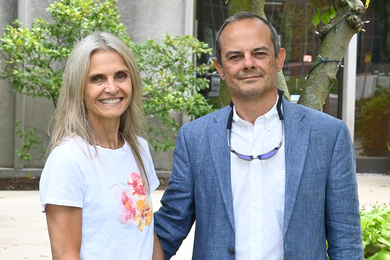
Raul Radovitzky and Flavia Cardarelli reflect on a decade of telling bad dad jokes, learning Taylor Swift songs, and sharing a home with hundreds of students.