Running large companies in construction, logistics, energy, and manufacturing means coordinating between millions of people, devices, and systems. For more than a decade, Samsara has helped companies connect those moving parts to operate more efficiently.
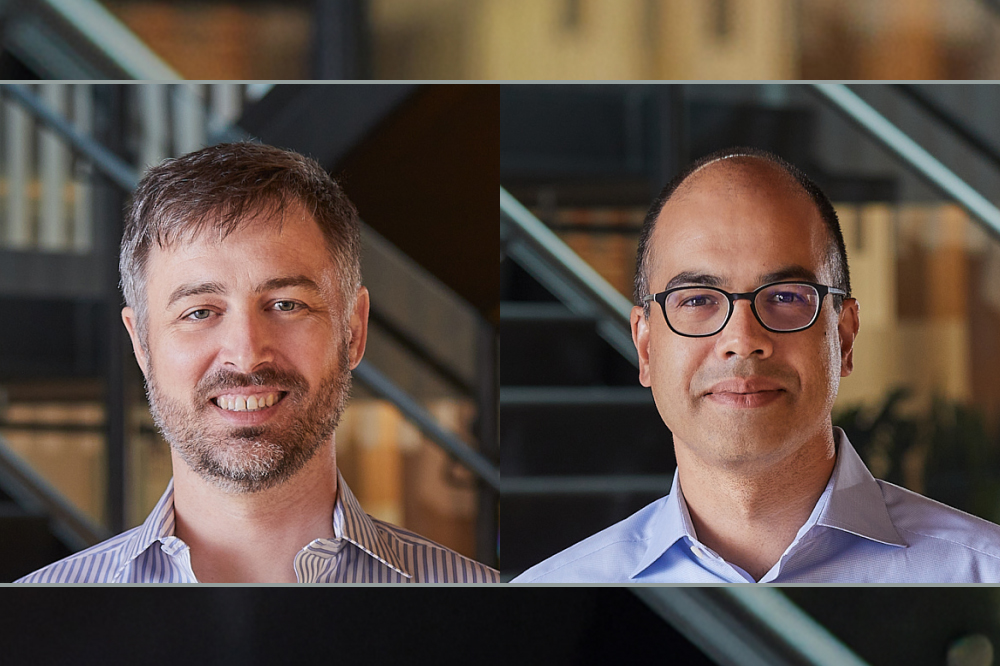
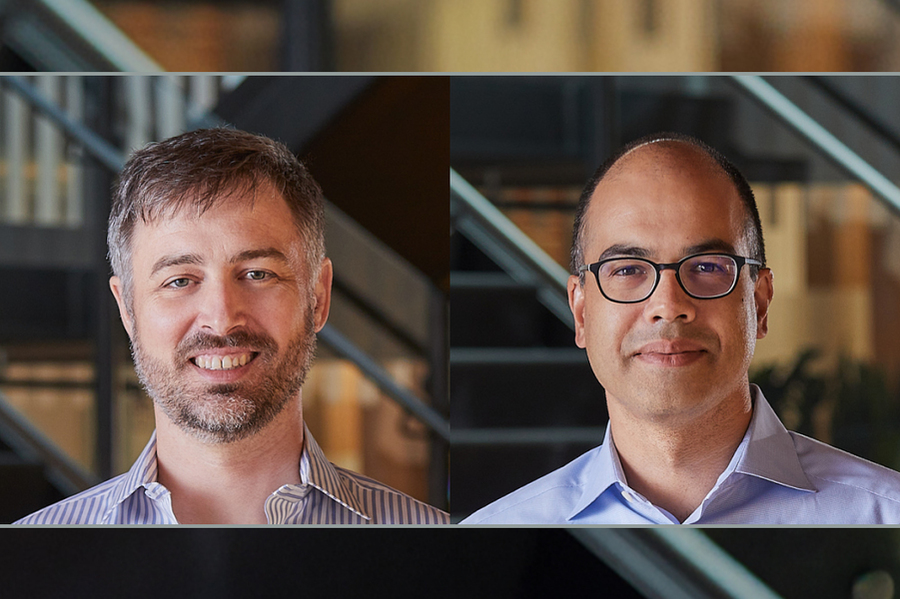
Founded by John Bicket SM ’05 and Sanjit Biswas SM ’05, Samsara’s platform gives companies with physical operations a central hub to track and learn from workers, equipment, and other infrastructure. Layered on top of that platform are real-time analytics and notifications designed to prevent accidents, reduce risks, save fuel, and more.
Tens of thousands of customers have used Samsara’s platform to improve their operations since its founding in 2015. Home Depot, for instance, used Samsara’s artificial intelligence-equipped dashcams to reduce their total auto liability claims by 65 percent in one year. Maxim Crane Works saved more than $13 million in maintenance costs using Samsara’s equipment and vehicle diagnostic data in 2024. Mohawk Industries, the world’s largest flooring manufacturer, improved their route efficiency and saved $7.75 million annually.
“It’s all about real-world impact,” says Biswas, Samsara’s CEO. “These organizations have complex operations and are functioning at a massive scale. Workers are driving millions of miles and consuming tons of fuel. If you can understand what’s happening and run analysis in the cloud, you can find big efficiency improvements. In terms of safety, these workers are putting their lives at risk every day to keep this infrastructure running. You can literally save lives if you can reduce risk.”
Finding big problems
Biswas and Bicket started PhD programs at MIT in 2002, both conducting research around networking in the Computer Science and Artificial Intelligence Laboratory (CSAIL). They eventually applied their studies to build a wireless network called MIT RoofNet.
Upon graduating with master’s degrees, Biswas and Bicket decided to commercialize the technologies they worked on, founding the company Meraki in 2006.
“How do you get big Wi-Fi networks out in the world?” Biswas asks. “With MIT RoofNet, we covered Cambridge in Wi-Fi. We wanted to enable other people to build big Wi-Fi networks and make Wi-Fi go mainstream for larger campuses and offices.”
Over the next six years, Meraki’s technology was used to create millions of Wi-Fi networks around the world. In 2012, Meraki was acquired by Cisco. Biswas and Bicket left Cisco in 2015, unsure of what they’d work on next.
“The way we found ourselves to Samsara was through the same curiosity we had as graduate students,” Biswas says. “This time it dealt more with the planet’s infrastructure. We were thinking about how utilities work, and how construction happens at the scale of cities and states. It drew us into operations, which is the infrastructure backbone of the planet.”
As the founders learned about industries like logistics, utilities, and construction, they realized they could use their technical background to improve safety and efficiency.
“All these industries have a lot in common,” Biswas says. “They have a lot of field workers — often thousands of them — they have a lot of assets like trucks and equipment, and they’re trying to orchestrate it all. The throughline was the importance of data.”
When they founded Samsara 10 years ago, many people were still collecting field data with pen and paper.
“Because of our technical background, we knew that if you could collect the data and run sophisticated algorithms like AI over it, you could get a ton of insights and improve the way those operations run,” Biswas says.
Biswas says extracting insights from data is easy. Making field-ready products and getting them into the hands of frontline workers took longer.
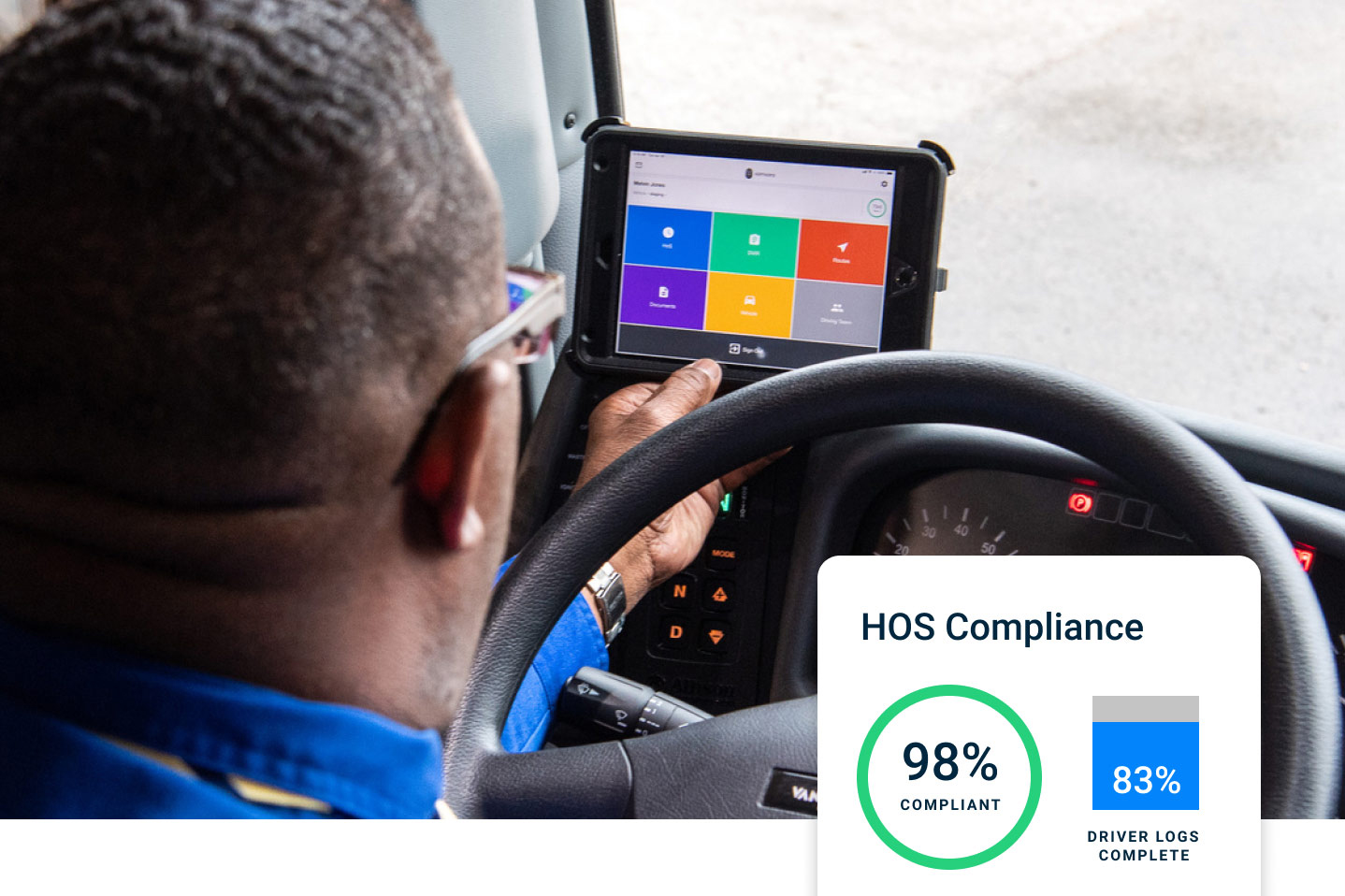
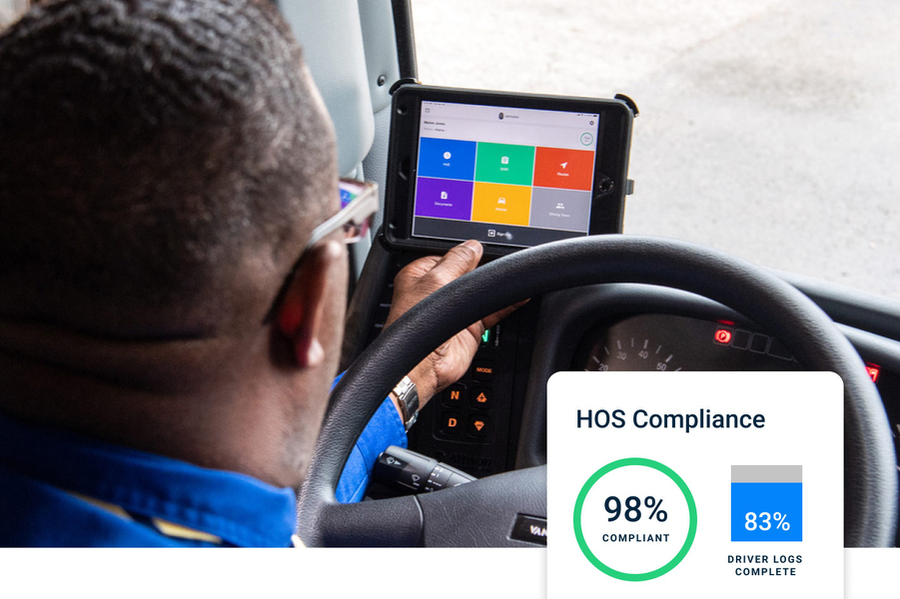
Samsara started by tapping into existing sensors in buildings, cars, and other assets. They also built their own, including AI-equipped cameras and GPS trackers that can monitor driving behavior. That formed the foundation of Samsara’s Connected Operations Platform. On top of that, Samsara Intelligence processes data in the cloud and provides insights like ways to calculate the best routes for commercial vehicles, be more proactive with maintenance, and reduce fuel consumption.
Samsara’s platform can be used to detect if a commercial vehicle or snowplow driver is on their phone and send an audio message nudging them to stay safe and focused. The platform can also deliver training and coaching.
“That’s the kind of thing that reduces risk, because workers are way less likely to be distracted,” Biswas says. “If you do for millions of workers, you reduce risk at scale.”
The platform also allows managers to query their data in a ChatGPT-style interface, asking questions such as: Who are my safest drivers? Which vehicles need maintenance? And what are my least fuel-efficient trucks?
“Our platform helps recognize frontline workers who are safe and efficient in their job,” Biswas says. “These people are largely unsung heroes. They keep our planet running, but they don’t hear ‘thank you’ very often. Samsara helps companies recognize the safest workers on the field and give them recognition and rewards. So, it’s about modernizing equipment but also improving the experience of millions of people that help run this vital infrastructure.”
Continuing to grow
Today Samsara processes 20 trillion data points a year and monitors 90 billion miles of driving. The company employs about 4,000 people across North America and Europe.
“It still feels early for us,” Biswas says. “We’ve been around for 10 years and gotten some scale, but we needed to build this platform to be able to build more products and have more impact. If you step back, operations is 40 percent of the world’s GDP, so we see a lot of opportunities to do more with this data. For instance, weather is part of Samsara Intelligence, and weather is 20 to 25 percent of the risk, and so we’re training AI models to reduce risk from the weather. And on the sustainability side, the more data we have, the more we can help optimize for things like fuel consumption or transitioning to electric vehicles. Maintenance is another fascinating data problem.”
The founders have also maintained a connection with MIT — and not just because the City of Boston’s Department of Public Works and the MBTA are customers. Last year, the Biswas Family Foundation announced funding for a four-year postdoctoral fellowship program at MIT for early-stage researchers working to improve health care.
Biswas says Samsara’s journey has been incredibly rewarding and notes the company is well-positioned to leverage advances in AI to further its impact going forward.
“It’s been a lot of fun and also a lot of hard work,” Biswas says. “What’s exciting is that each decade of the company feels different. It’s almost like a new chapter — or a whole new book. Right now, there’s so many incredible things happening with data and AI. It feels as exciting as it did in the early days of the company. It feels very much like a startup.”