
Securing wireless communication in next-generation devices
A new, scalable technique could enable powerful radars and sensors based on quantum technology that works at room temperature.
A new, scalable technique could enable powerful radars and sensors based on quantum technology that works at room temperature.

By using a thin layer of diamond to manage excessive heat, researchers can boost the speed and energy-efficiency of next-generation wireless devices.

Using technology invented at MIT, Cartesian’s system for locating objects could also find uses in manufacturing, logistics, and robotics.

The “MetaEase” technique provides a heads-up to potential scenarios that could cause long wait-times or outages.
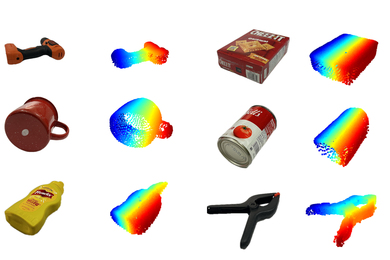
With this new technique, a robot could more accurately detect hidden objects or understand an indoor scene using reflected Wi-Fi signals.

From early motion-sensing platforms to environmental monitoring, the professor and head of the Program in Media Arts and Sciences has turned decades of cross-disciplinary research into real-world impact.

MIT researchers created microscopic wireless electronic devices that travel through blood and implant in target brain regions, where they provide electrical stimulation.
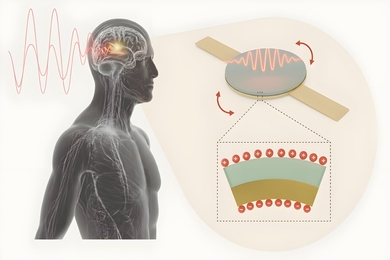
The technology would allow battery-free, minimally invasive, scalable bioelectronic implants such as pacemakers, neuromodulators, and body process monitors.

Professors Facundo Batista and Dina Katabi, along with three additional MIT alumni, are honored for their outstanding professional achievement and commitment to service.
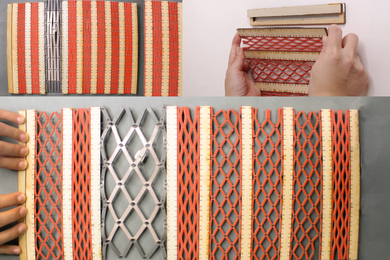
You can adjust the frequency range of this durable, inexpensive antenna by squeezing or stretching its structure.

The flexible chip could boost the performance of current electronics and meet the more stringent efficiency requirements of future 6G technologies.

By leveraging reflections from wireless signals like Wi-Fi, the system could allow robots to find and manipulate items that are blocked from view.
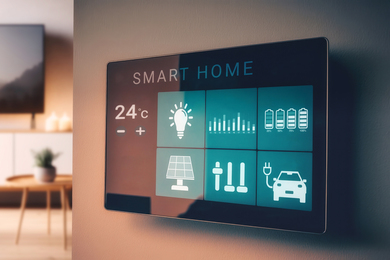
Researchers designed a tiny receiver chip that is more resilient to interference, which could enable smaller 5G “internet of things” devices with longer battery lives.

By performing deep learning at the speed of light, this chip could give edge devices new capabilities for real-time data analysis.

Researchers share the design and implementation of an incentive-based Space Sustainability Rating.