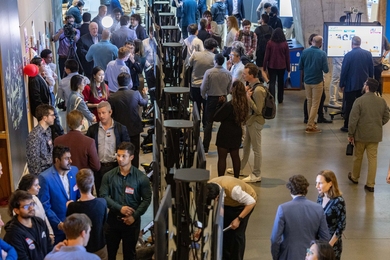
MIT’s Initiative for New Manufacturing builds momentum
In its first year, INM has worked across research, workforce development, and industry engagement to help accelerate new manufacturing technologies and their real-world deployment.
In its first year, INM has worked across research, workforce development, and industry engagement to help accelerate new manufacturing technologies and their real-world deployment.
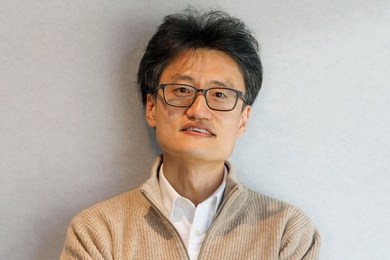
An expert in behavioral science and transportation, Zhao combines these studies with AI and public policy to address some of the most urgent challenges facing cities.

Founded by two researchers from MIT, Ferveret reduces the amount of energy and water required to cool the chips that power AI.
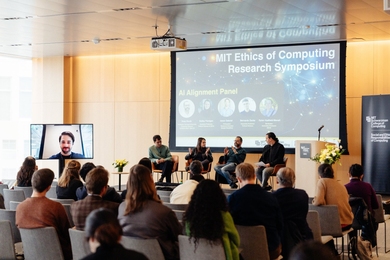
The MIT Ethics of Computing Research Symposium brought together experts and researchers working at the heart of ethical and social impact in technology.
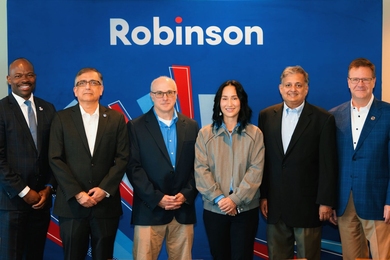
MIT RAISE and Georgia State University announce an initiative to connect universities, community colleges, industry, and government to expand industry-aligned AI training and career pathways.

The initiative plans to engage industry leaders and MIT alumni with hubs in Tokyo, Dubai, and Hong Kong.
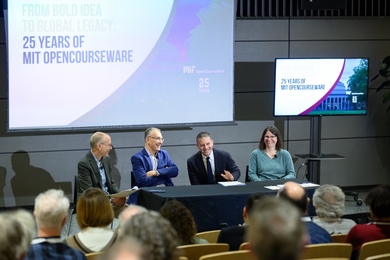
Twenty-five years ago, MIT opened its curriculum to the world with the launch of OpenCourseWare. MIT Open Learning continues to build on the legacy of that bold decision.

VP for Communications Alfred Ironside describes how a new initiative from MIT seeks to remind Americans of the value and power of curiosity-driven research.
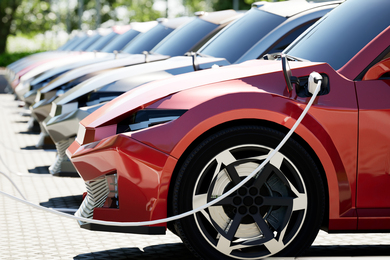
When it comes to emissions, individual driving patterns matter as much as how “green” the regional electricity mix is, MIT researchers report.
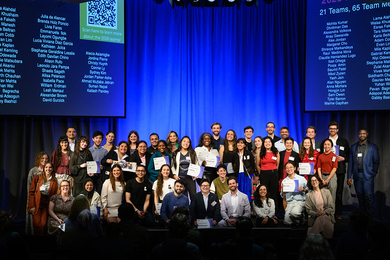
At the 25th IDEAS Social Innovation Incubator Showcase and Awards, 21 student-led ventures joined 1,200 alumni-led ventures tackling the world’s most pressing problems through social entrepreneurship.
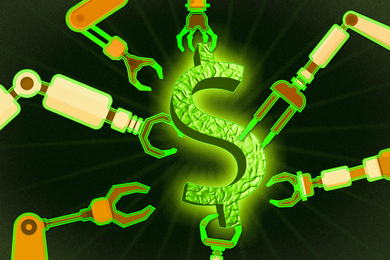
MIT economists found US companies tend to target employees earning a “wage premium,” which increases inequality but not necessarily productivity.
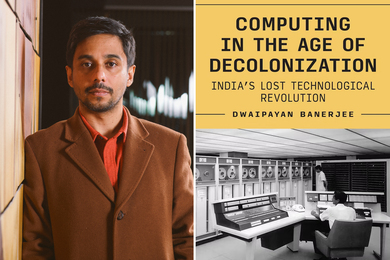
Associate Professor Dwai Banerjee’s new book examines the visionaries who wanted to turn India into a world power at making computers.

A new debiasing technique called WRING avoids creating or amplifying biases that can occur with existing debiasing approaches.

A new study reveals cellular pathways that appear to underlie some differences in physical fitness.

The “EnergAIzer” method generates reliable results in seconds, enabling data center operators to efficiently allocate resources and reduce wasted energy.