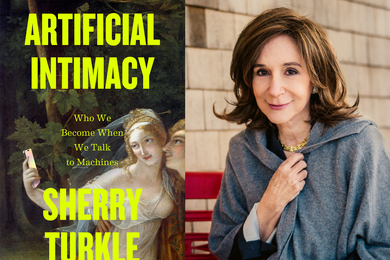
Who we become when we talk to machines
Professor Sherry Turkle’s new book, “Artificial Intimacy,” offers a withering critique of chatbots and the antisocial dynamics she believes they encourage.
Professor Sherry Turkle’s new book, “Artificial Intimacy,” offers a withering critique of chatbots and the antisocial dynamics she believes they encourage.
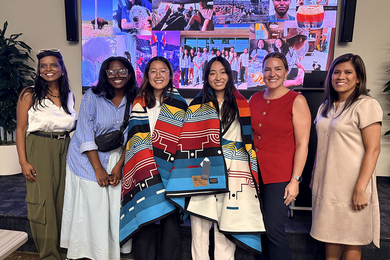
The PKG Center for Social Impact expands Code.Tulsa experiential learning program.

A new language-processing tool could help identify the highest-risk individuals from natural language, enabling swifter interventions.
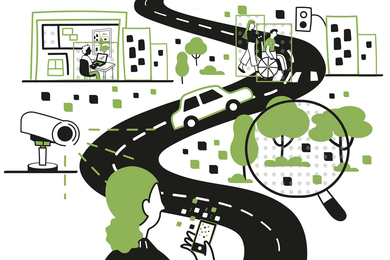
In their new book, “How AI Sees the City,” the leaders of MIT’s Senseable City Lab examine the technology’s implications for researching urban life.

Inaugural artist Amy Karle will join astrophysicists at MIT’s Kavli Institute to explore questions about the universe and translate them into an immersive multimedia experience.
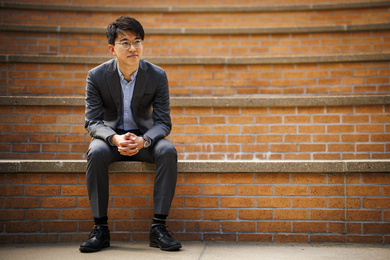
Naoki Egami has become a standout in political methodology, helping refine tools that give scholars durable results.
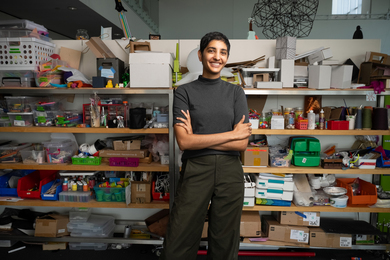
The PhD student works to give young people an active role in shaping digital technologies that can support their own well-being.

A new method for surgically removing training examples from a model reveals that as datasets grow, the link between what a model learns and what it produces dissolves.
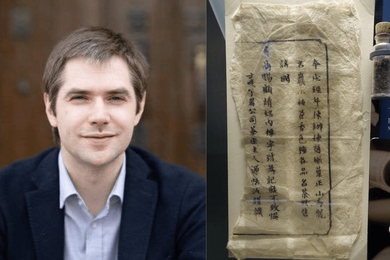
MIT historian Tristan Brown uncovers the true origins of an artifact once thought to be a relic of the Boston Tea Party.

Members of the laboratory community reflect on technology impacts that shaped the United States and the world over the past 75 years.
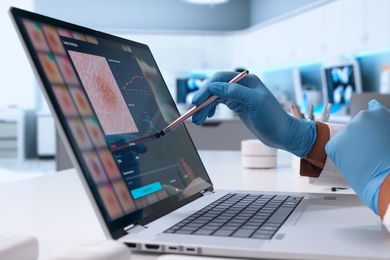
Study finds non-experts deferred to LLM-based diagnostic assistance, even when it was wrong, while clinicians caught AI errors.
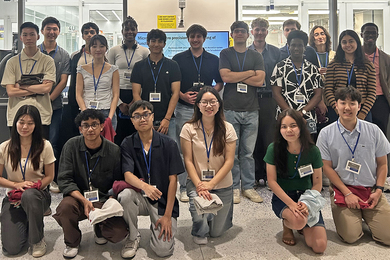
The 2026 NEMC Hub-sponsored externship gave students access to world-class research, advanced semiconductor manufacturing, and professionals driving innovation across the Northeast.
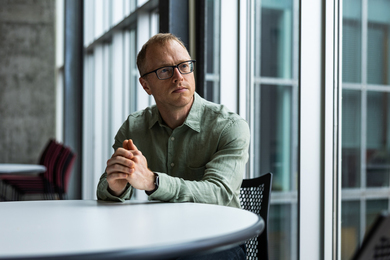
Philosopher Brian Hedden studies decision-making over time — and recently chose to return to alma mater MIT, where he is now connecting ethics and computing.
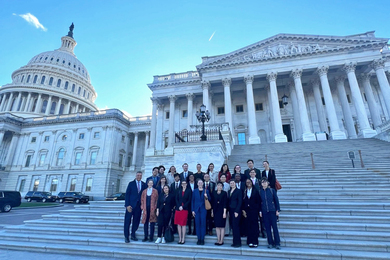
MIT students and postdocs discussed science funding and research with policymakers in Washington during the MIT Science Policy Initiative’s annual Congressional Visit Days.
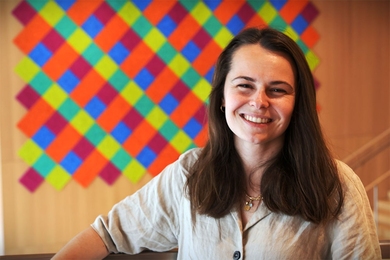
Assistant Professor Bailey Flanigan has arrived at complex computational methods for helping democracy thrive.