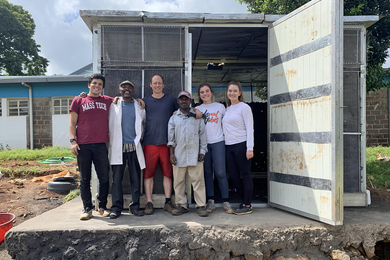
Designing off-grid refrigeration technologies for crop storage in Kenya
A team of MIT researchers is using the thermodynamic properties of water evaporation to bring off-grid cold storage of produce to remote, arid regions.
A team of MIT researchers is using the thermodynamic properties of water evaporation to bring off-grid cold storage of produce to remote, arid regions.

Commitment to sustainable practices earns top honor from the U.S Green Building Council.
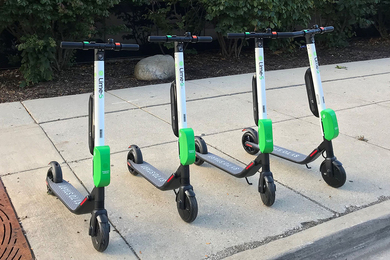
Studying usage in Singapore, MIT and SMART researchers find scooter rentals allow for increased sharing frequency and fewer vehicles needed.

Website hosts an expanded suite of digital tools and resources to help people make sense of climate change.

Funding will support workshops to advance research, development, and translation in emerging areas of socioresilient and sustainable infrastructure, and in ocean environments.

The winners of an MIT competition to design a future, climate-ready Boston have landed an award to realize their vision.
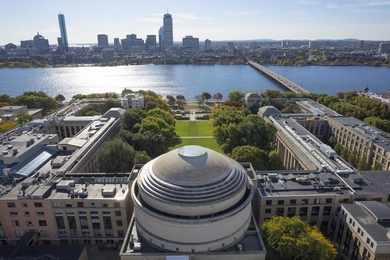
New faculty in these areas will connect the MIT Schwarzman College of Computing and a department or school.

Storage value increases as variable renewable energy supplies an increasing share of electricity, but storage cost declines are needed to realize full potential.

Members of Wyoming’s government and public university met with MIT researchers to discuss climate-friendly economic growth.

“Our mission here is to save humanity from extinction due to climate change,” says MIT professor.

Through innovation in software and hardware, researchers move to reduce the financial and environmental costs of modern artificial intelligence.
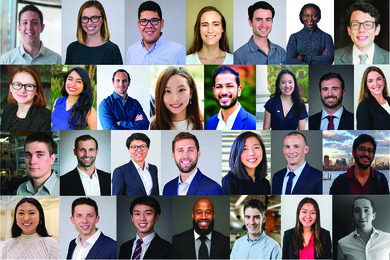
Annual student-run energy conference pivots to successful online event with short notice in response to the coronavirus.

PhD student Jessica Varner traces the way synthetic building materials have transformed our environment.

The King Climate Action Initiative at J-PAL will develop large-scale climate-response programs for some of the world’s most vulnerable populations.

In the Chinese city of Chengdu, one-third of ride-sharing might replace public transit trips.