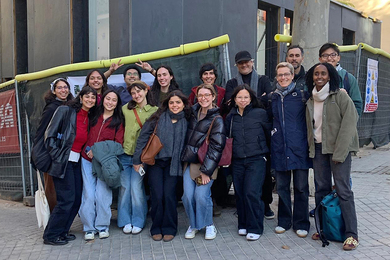
Testing sustainable agriculture in Barcelona
Students in a MISTI Global Classroom confronted the challenges of climate change, one farm and co-op visit at a time.
Students in a MISTI Global Classroom confronted the challenges of climate change, one farm and co-op visit at a time.
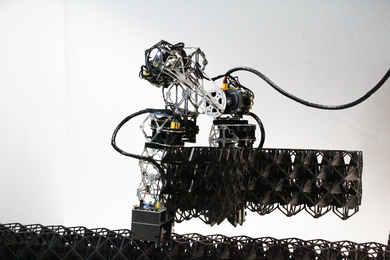
New research suggests constructing a simple building from interlocking subunits should be mechanically feasible and have a much smaller carbon footprint.

The “EnergAIzer” method generates reliable results in seconds, enabling data center operators to efficiently allocate resources and reduce wasted energy.
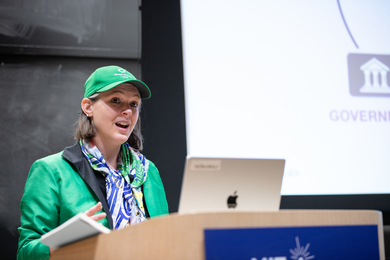
Greentown Labs CEO Georgina Campbell Flatter emphasizes the importance of collaboration in the entrepreneurship space, and the role that universities play in this landscape.
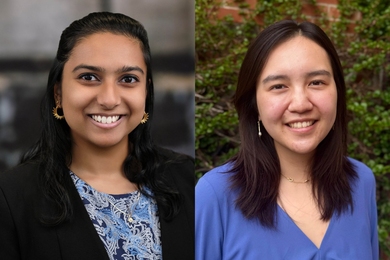
Mitali Chowdhury ’24 and Christina Kim ’24 will pursue graduate studies at Cambridge University in the UK.
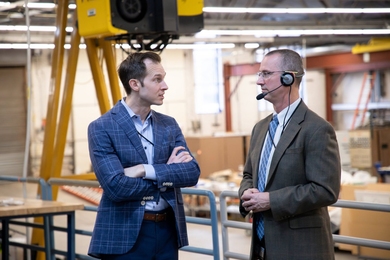
Rep. Jake Auchincloss visits the MIT Plasma Science and Fusion Center to learn about scaling geothermal energy.
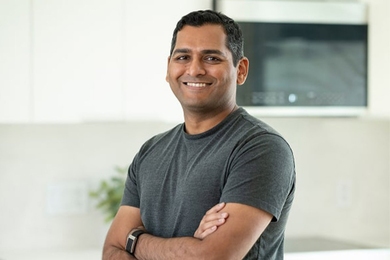
Reframe Systems, co-founded by Vikas Enti SM '20, creates microfactories for modular home construction, reducing carbon emissions and costs.
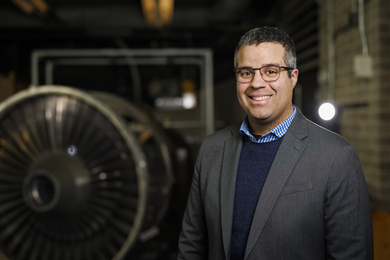
Associate Professor Richard Linares is helping satellites safely navigate in increasingly congested orbits.

Scientists say an exception in the Montreal Protocol for the use of ozone-depleting feedstocks could set the ozone recovery back seven years.
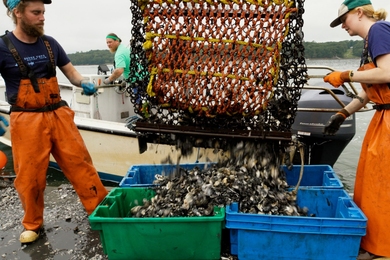
A chemical-free approach to balancing ocean acidity protects marine life and could dramatically impact the global aquaculture market.
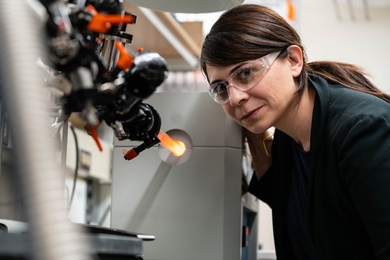
Faculty member in civil and environmental engineering will advance research and entrepreneurial initiatives across the School of Engineering.

Researchers developed a system that intelligently balances workloads to improve the efficiency of flash storage hardware in a data center.
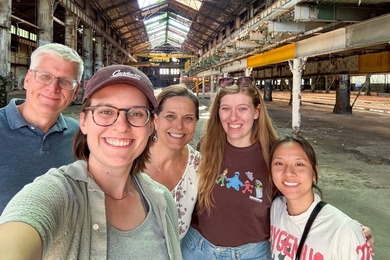
“You can’t teach planning today without grappling with how policy actually unfolds within communities,” says Professor Phillip Thompson.
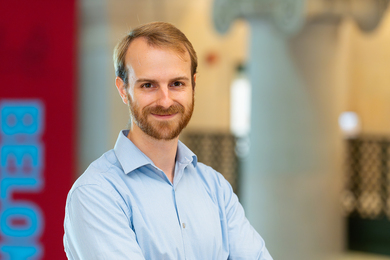
Dean Price, assistant professor in the Department of Nuclear Science and Engineering, sees a bright future for nuclear power, and believes AI can help us realize that vision.

Co-founded by Dan Sobek ’88, SM ’92, PhD ’97, 1s1 Energy has developed electrochemical cell materials for hydrogen electrolyzers that it says reduces energy use by 30 percent.