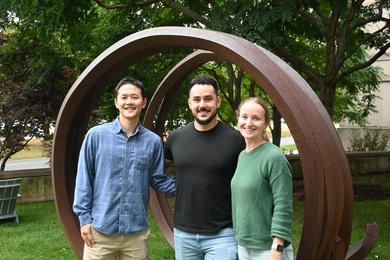
MIT Energy and Climate Club mobilizes future leaders to address global climate issues
One of the largest MIT clubs sees itself as “the umbrella of all things related to energy and climate on campus.”
One of the largest MIT clubs sees itself as “the umbrella of all things related to energy and climate on campus.”
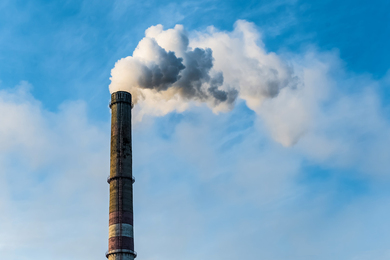
Models show that an unexpected reduction in human-driven emissions led to a 10 percent decline in atmospheric mercury concentrations.

A new study of bubbles on electrode surfaces could help improve the efficiency of electrochemical processes that produce fuels, chemicals, and materials.
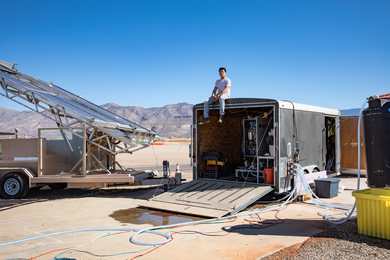
Because it doesn’t need expensive energy storage for times without sunshine, the technology could provide communities with drinking water at low costs.
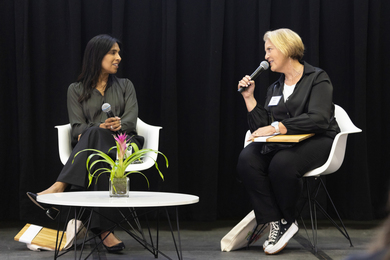
The 16th Annual Meeting of the Kendall Square Association honored community members for their work bringing impactful innovations to bear on humanity’s biggest challenges.
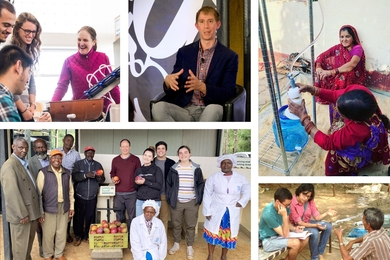
MIT’s innovation and entrepreneurship system helps launch water, food, and ag startups with social and economic benefits.
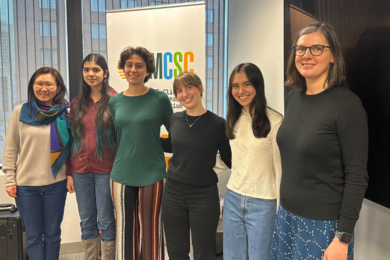
Anthropologists Manduhai Buyandelger and Lauren Bonilla discuss the humanistic perspective they bring to a project that is yielding promising results.

The 2024 report highlights five years of global progress but uncovers gaps between companies’ sustainability goals and the investments required to achieve them.
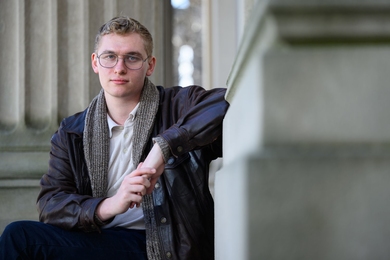
Today’s regulations for nuclear reactors are unprepared for how the field is evolving. PhD student Liam Hines wants to ensure that policy keeps up with the technology.
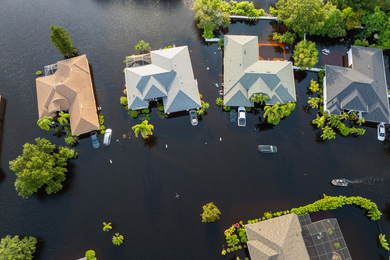
A U.S. program provides important flood insurance relief, but it’s used more in communities with greater means to protect themselves.
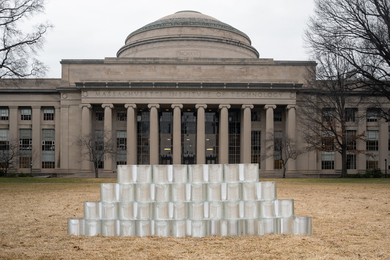
The interlocking bricks, which can be repurposed many times over, can withstand similar pressures as their concrete counterparts.
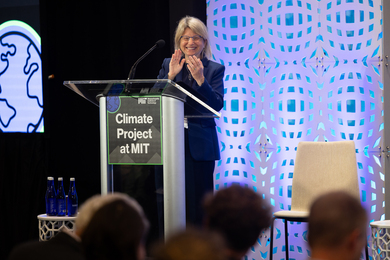
The major effort to accelerate practical climate change solutions launches as its mission directors meet the Institute community.
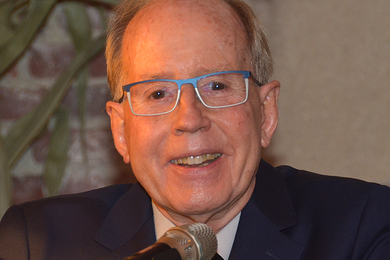
Professor Ronald Prinn reflects on how far sustainability has come as a discipline, and where it all began at MIT.
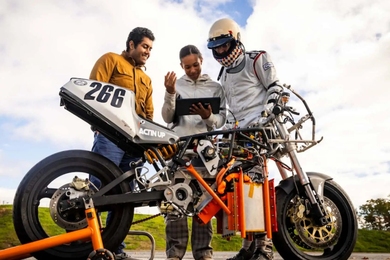
The MIT Electric Vehicle Team, Sustainable Engine Team, Solar Electric Vehicle Team, Motorsports Team, First Nations Launch Team, and Arcturus are each doing their part to improve the health of our planet.
Membranes based on natural silk and cellulose can remove many contaminants, including “forever chemicals” and heavy metals.