
Exploring how AI will shape the future of work
For PhD student Benjamin Manning, the future of work means grasping AI’s role on our behalf while transforming and accelerating social scientific discovery.
For PhD student Benjamin Manning, the future of work means grasping AI’s role on our behalf while transforming and accelerating social scientific discovery.
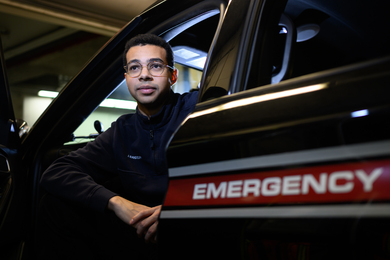
“I always wanted to be in public service, serve my community, and serve my country,” says the MIT mechanical engineering major.
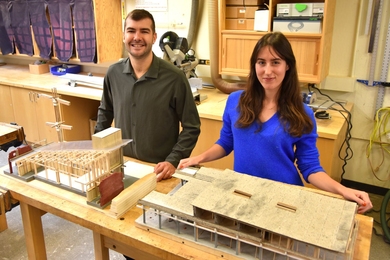
A new MIT course explores how built environments can both emerge from and reveal the internal dynamics of their geographic context.
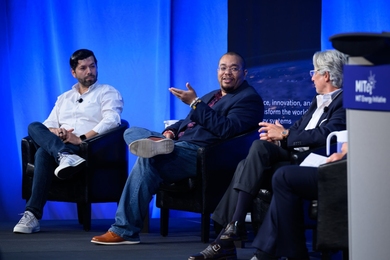
Industry leaders agree collaboration is key to advancing critical technologies.
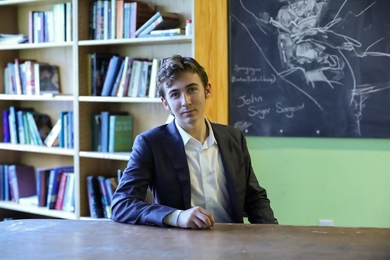
Jack Carson, an MIT second-year undergraduate and EECS major, is the recent winner of the Elie Wiesel Prize in Ethics.
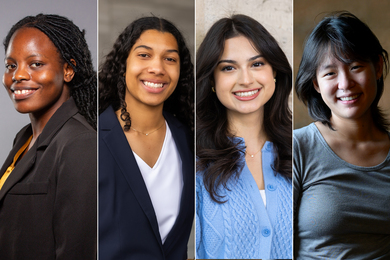
Vivian Chinoda ’25, Alice Hall, Sofia Lara, and Sophia Wang ’24 will begin postgraduate studies at Oxford University next fall.
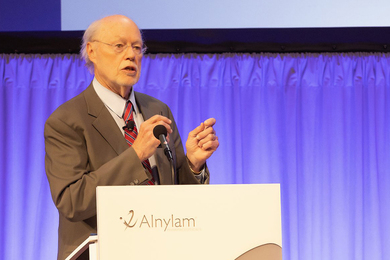
Alnylam Pharmaceuticals establishes named fund in honor of its co-founder, an MIT Institute Professor and Nobel laureate.
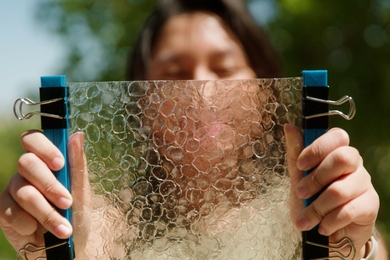
Jacqueline Prawira’s innovation, featured on CBS’s “The Visioneers,” tackles one of the world’s most pressing environmental challenges.
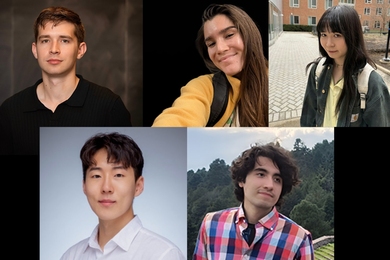
MIT PhD students who interned with the MIT-IBM Watson AI Lab Summer Program are pushing AI tools to be more flexible, efficient, and grounded in truth.
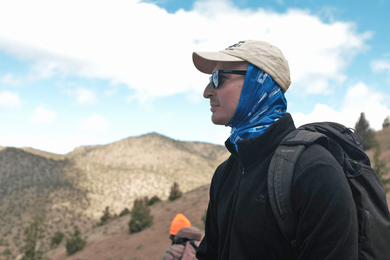
MIT PhD student and CSAIL researcher Justin Kay describes his work combining AI and computer vision systems to monitor the ecosystems that support our planet.
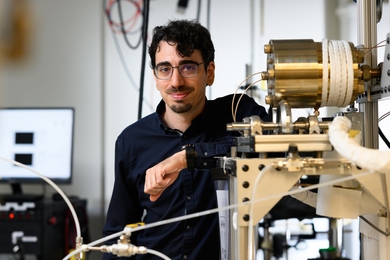
Marco Graffiedi, a doctoral student in nuclear science and engineering, is researching quenching processes to help cool nuclear cores, and NASA craft the next generation of space vehicles.
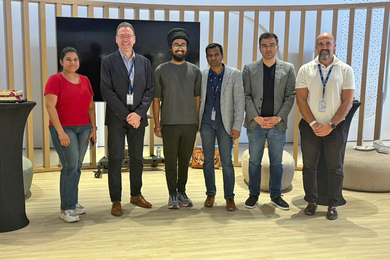
The MISTI Arab World program offers MIT students invaluable work and life experiences in a dynamic region.
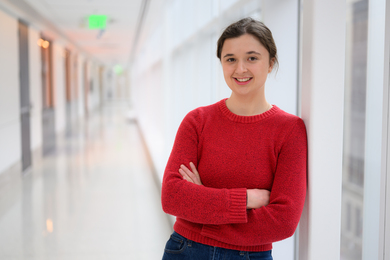
PhD student Miranda Schwacke explores how computing inspired by the human brain can fuel energy-efficient artificial intelligence.
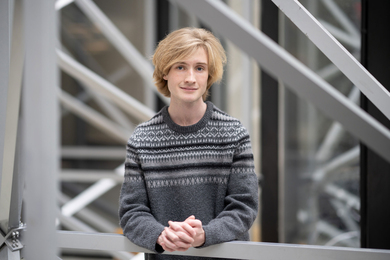
Titus Roesler was ready to drop his class in signal processing. Now, he hopes to become an expert in the field.
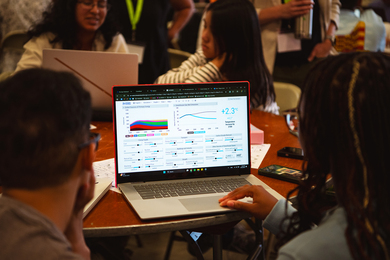
Incoming students tested the climate simulation tool En-ROADS with the goal of creating “a healthier, safer, more prosperous, and more sustainable world.”