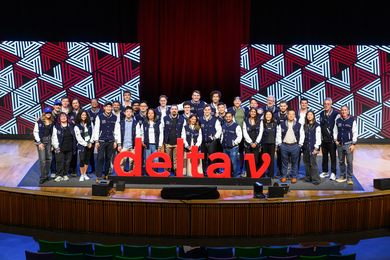
MIT startups inspire with impressive presentations at Demo Day 2026
The event featured ventures solving problems in manufacturing, cybersecurity, health care spending, and more.
The event featured ventures solving problems in manufacturing, cybersecurity, health care spending, and more.

Atlas Building Composites is commercializing MIT research to turn plastic waste into parts for buildings and other infrastructure.
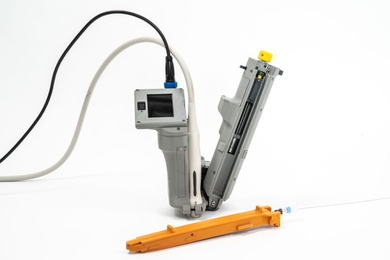
The handheld catheterization device AI-GUIDE, created by Lincoln Laboratory and Massachusetts General Hospital, promises improved health outcomes for injured service members and civilians.

Led by Andee Wallace PhD ’20, Robigo uses cutting-edge biotechnology to engineer microbes to fight pests, reducing the need for harmful chemical pesticides.

With millions of users across the world, Julia has been used to conduct cutting-edge research and to design new drugs, jet engines, heat pumps, and more.

Through a decade of non-dilutive funding, hands-on mentorship, and a safe space to fail fast, the MIT Sandbox Innovation Fund Program has helped students translate curiosity into real-world impact.

Electra’s hybrid, fixed-wing aircraft, which grew out of a class project, could make travel easier for passengers taking shorter trips.

Dmat is commercializing findings from the lab of Associate Professor Admir Masic to make concrete longer-lasting and more sustainable.
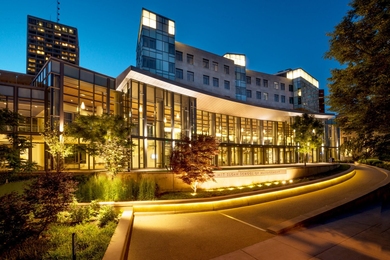
Dean Richard Locke discusses a new program that expands access for working professionals while deepening connections to Greater Boston’s innovation economy.
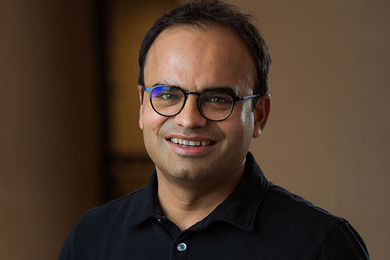
Through research and entrepreneurship, Professor Devavrat Shah is helping to design methods that can handle constant decision-making using limited computational resources.
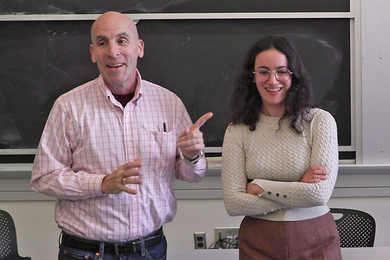
An MIT mechanical engineering course explores entrepreneurship through lessons and stories shared by alumni startup founders.
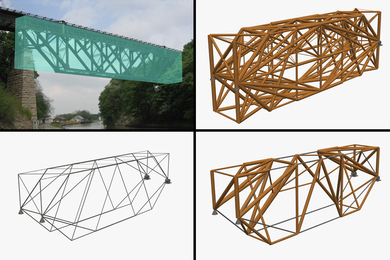
MIT researchers developed an approach for generating more buildable structures, bridging the gap between optimized design and real-world construction.
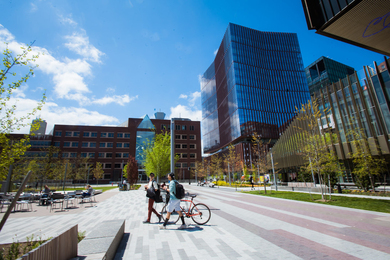
Leaders, faculty across MIT discuss fostering innovation and talent in Greater Boston in special series of articles published alongside the outlet's annual list of 'Tech Power Players'

Founded by two researchers from MIT, Ferveret reduces the amount of energy and water required to cool the chips that power AI.
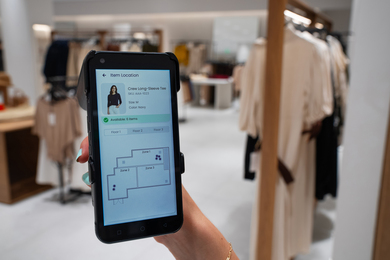
Using technology invented at MIT, Cartesian’s system for locating objects could also find uses in manufacturing, logistics, and robotics.