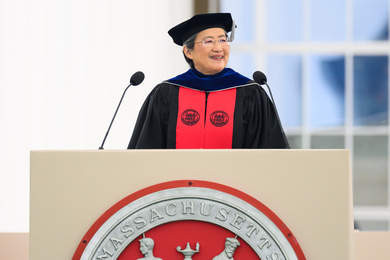
Commencement address by Lisa Su ’90, SM ’91, PhD ’94
“Technology itself does not decide what the future looks like,” the chair and CEO of Advanced Micro Devices told the Class of 2026.
“Technology itself does not decide what the future looks like,” the chair and CEO of Advanced Micro Devices told the Class of 2026.
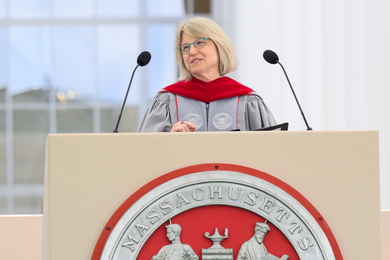
MIT’s president asked graduates help the world understand the importance of curiosity — “our intellectual rocket fuel” — to society as a whole.
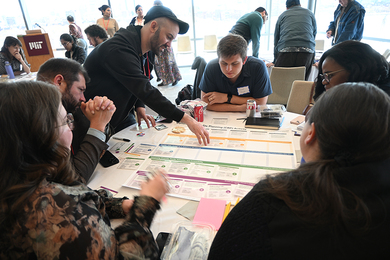
Living Climate Futures Symposium explores climate challenges and solutions at the community level.
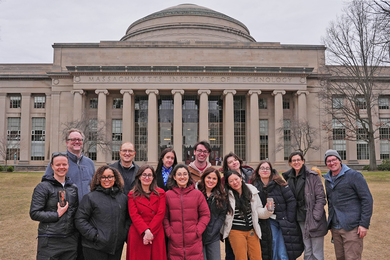
Students developed and pitched local climate stories, then worked with visual journalists from the AP over an intensive four-day weekend.
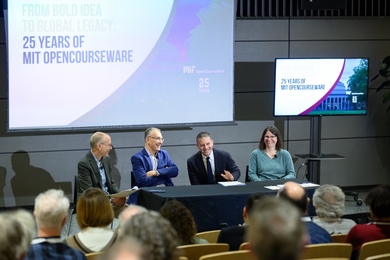
Twenty-five years ago, MIT opened its curriculum to the world with the launch of OpenCourseWare. MIT Open Learning continues to build on the legacy of that bold decision.
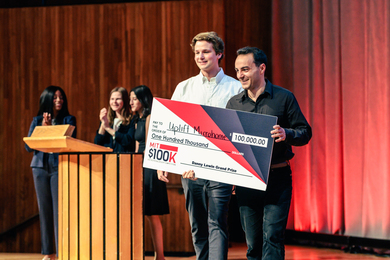
Uplift Microhome’s modular housing units can provide their own power and water, for faster deployments.
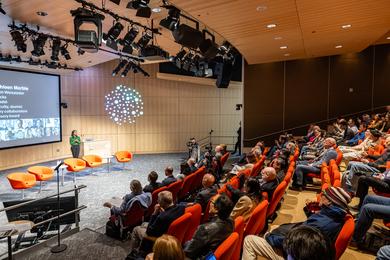
The MIT Marble Center for Cancer Nanomedicine looks back at 10 years of turning big ideas about nanotechnology into transformative advances for cancer patients.
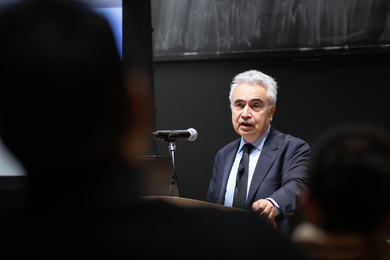
Expect energy disruptions and economic damage, especially in developing countries, and prepare to build a more resilient, sustainable energy system, says International Energy Agency executive director.
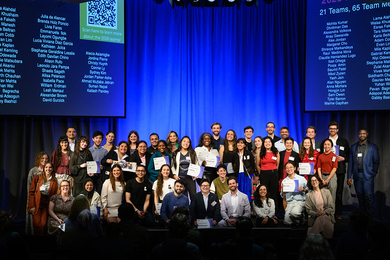
At the 25th IDEAS Social Innovation Incubator Showcase and Awards, 21 student-led ventures joined 1,200 alumni-led ventures tackling the world’s most pressing problems through social entrepreneurship.
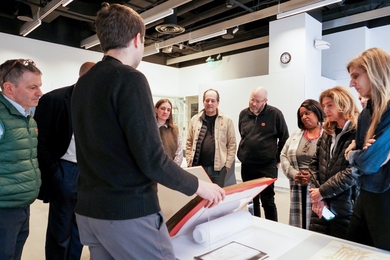
A day of conversations and archival access at the MIT Museum reflects an ongoing exchange rooted in the work and ideas of the Institute’s first Black graduate.
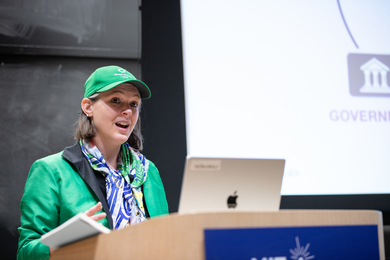
Greentown Labs CEO Georgina Campbell Flatter emphasizes the importance of collaboration in the entrepreneurship space, and the role that universities play in this landscape.
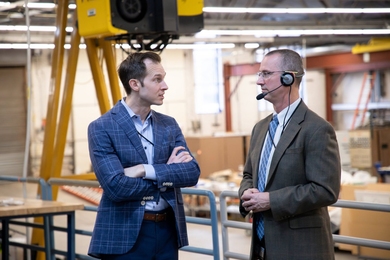
Rep. Jake Auchincloss visits the MIT Plasma Science and Fusion Center to learn about scaling geothermal energy.

MIT Energy Initiative symposium maps a path to tap the planet’s heat-rich rocks for clean power at scale.
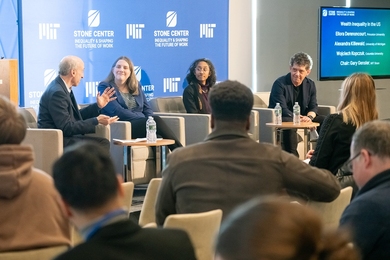
An MIT Stone Center event examined the origins, mechanisms, and political consequences of high inequality.
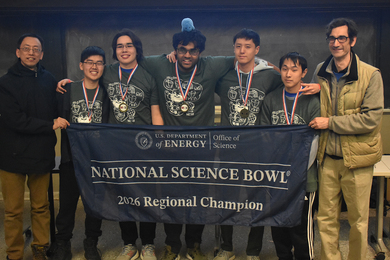
At a daylong science competition, high school students gathered from across New England to test their science knowledge for a shot at nationals in Washington.