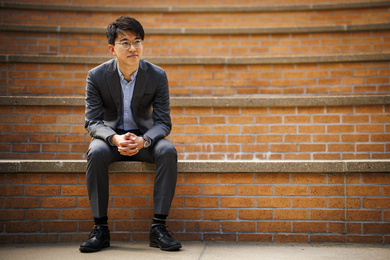
Measure by measure, studying society accurately
Naoki Egami has become a standout in political methodology, helping refine tools that give scholars durable results.
Naoki Egami has become a standout in political methodology, helping refine tools that give scholars durable results.

MIT historian Tristan Brown uncovers the true origins of an artifact once thought to be a relic of the Boston Tea Party.

Computational Linguistics, International Security, and The Review of Economics and Statistics lead their disciplines with 2026 Clarivate impact factors.
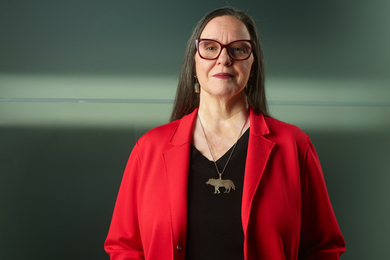
A leading innovator in community-based archaeology, Professor Sonya Atalay works to link local know-how with academic inquiry across the globe.
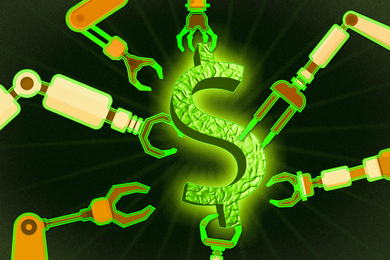
MIT economists found US companies tend to target employees earning a “wage premium,” which increases inequality but not necessarily productivity.
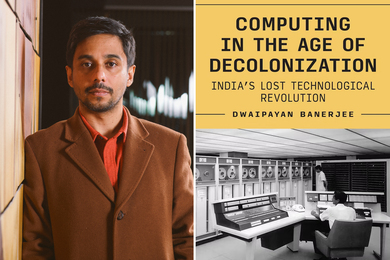
Associate Professor Dwai Banerjee’s new book examines the visionaries who wanted to turn India into a world power at making computers.

Economists find that in metro areas with more immigration, nurses are spending more time with elderly patients.

Philosopher Sam Berstler explains why we have social norms that let people engage in open deception.
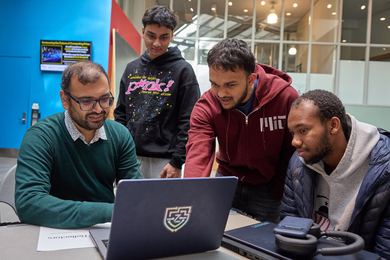
MIT computer science students design AI chatbots to help young users become more social, and socially confident.

Top worldwide honors span disciplines across three MIT schools for the second year in a row.

The findings point to state policies involving the presence of “pill mills” as influences on addiction over time.
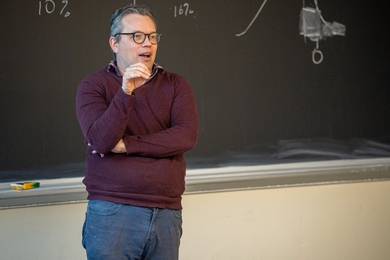
In MIT's course 17.831 (Data and Politics), students are introduced to the power of analysis, visualization, and research-supported insight into political outcomes.

A Chilean experiment with legal aid and social services cuts time in foster care, with lasting effects for kids and lower costs for programs.

A study on ride-sharing opens a window into consumer behavior, measuring the benefits for businesses.

Associate Professor Dwai Banerjee examines topics ranging from cancer care to the history of computing.