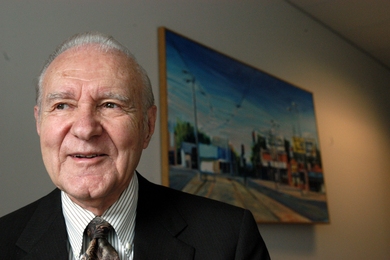
Gene Brown, professor emeritus of biology, dies at 91
A pioneer in the field of intermediary metabolism and former dean of the School of Science, Brown’s deepest passion was teaching.
A pioneer in the field of intermediary metabolism and former dean of the School of Science, Brown’s deepest passion was teaching.

Whether you'll be in the path of totality on Aug. 21 or anywhere else in North America, you should be able to view the eclipse.
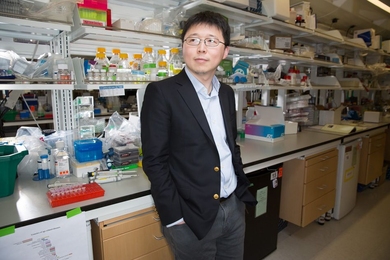
Five recipients honored for their fundamental and complementary accomplishments related to CRISPR-Cas9.
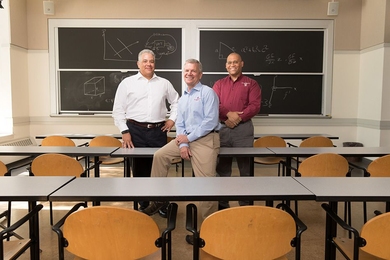
Warrior-Scholar Project helps vets transition to college with intensive summer program.
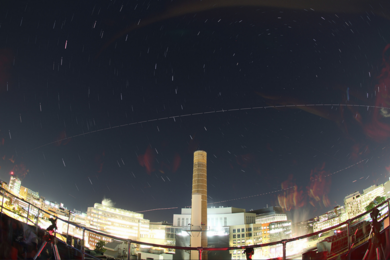
MIT hosts Astronomy Training Camp for student-run national astronomy team.
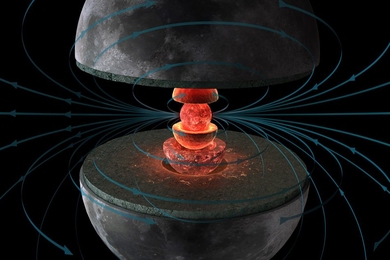
Findings suggest two mechanisms may have powered the moon’s ancient churning, molten core.
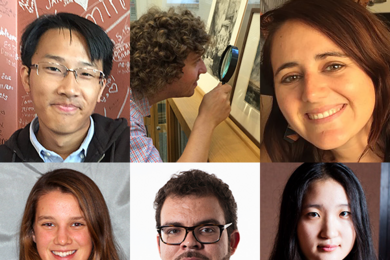
Grantees will spend the 2017-2018 academic year conducting research abroad.

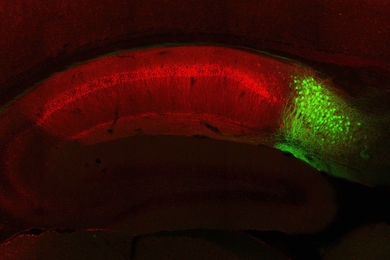
MIT study suggests a new approach to developing treatments for Alzheimer’s disease.

Simons Foundation supports enhanced computer infrastructure for MIT's Darwin Project, which focuses on marine microbes and microbial communities.
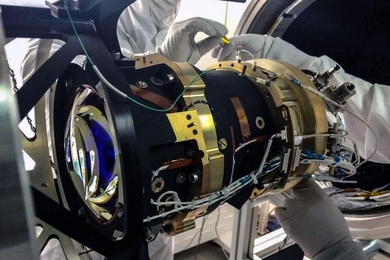
Satellite’s cameras have been delivered by MIT researchers and passed NASA inspection.
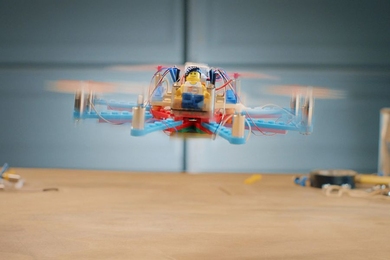
Co-founded by Amir Hirsch ’06, SM ’07, Flybrix drones offers people of all ages the ability to fly their ideas.
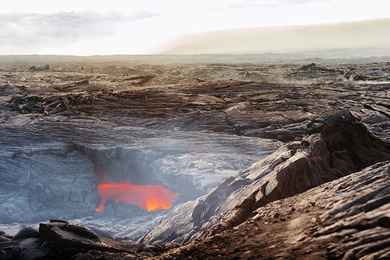
Study ties specific interval during an extended period of volcanism to Earth’s most severe mass extinction.
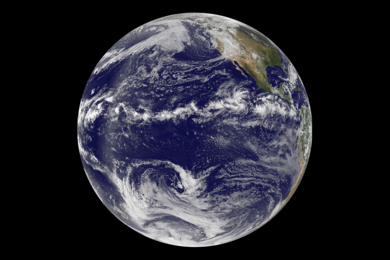
Study finds ocean circulation, coupled with trade wind changes, efficiently limits shifting of tropical rainfall patterns.
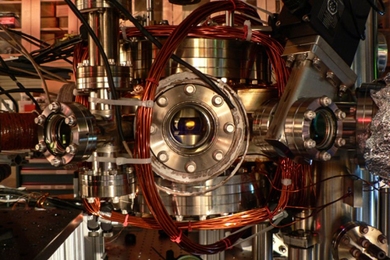
New approach yields long-lasting configurations that could provide long-sought “qubit” material.