
Anna Frebel is searching the stars for clues to the universe’s origins
MIT astronomer and writer investigates ancient starlight and shares her excitement about the cosmos.
MIT astronomer and writer investigates ancient starlight and shares her excitement about the cosmos.
First measurement of its kind could provide stepping stone to practical quantum computing.
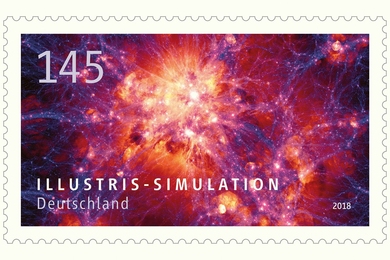
MIT’s Mark Vogelsberger and the Illustris project are honored by Germany's postal service with an official stamp.
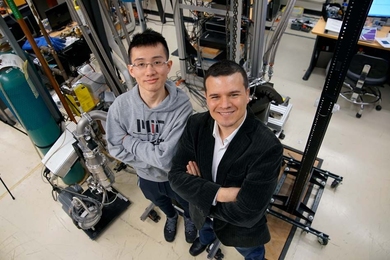
"Magic-angle" graphene named 2018 Breakthrough of the Year; first ionic plane and earliest evidence of hydrogen gas named to top 10 breakthroughs.
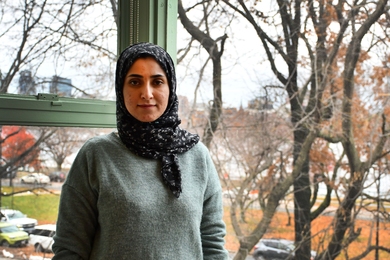
Visiting Assistant Professor Maryam Rashed Alshehhi models a region with freshwater shortages, oil spills, and frequent dust storms.
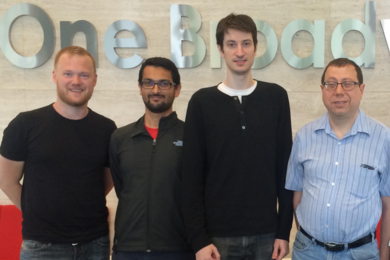
Awarded every four years, the Wilkinson Prize last came to MIT in 1999.
Five winners are recognized for their outstanding contributions to colleagues, the school, and the Institute.
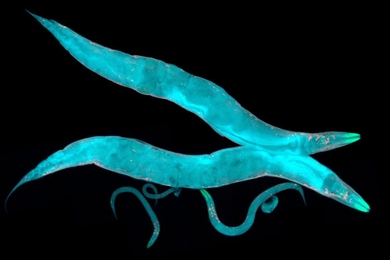
Study may lead to a better understanding of the digestive tract’s nervous system.
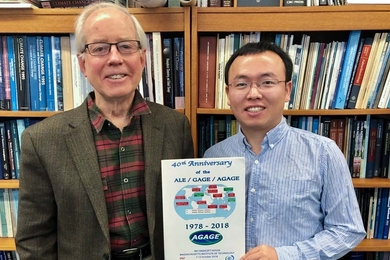
Study finds chloroform emissions, on the rise in East Asia, could delay ozone recovery by up to eight years.
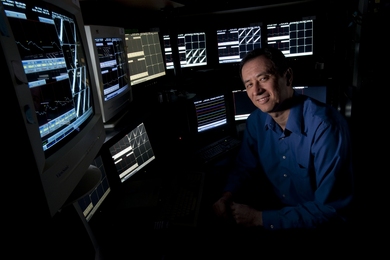
New open-source system provides fast, accurate neural decoding and real-time readouts of where rats think they are.
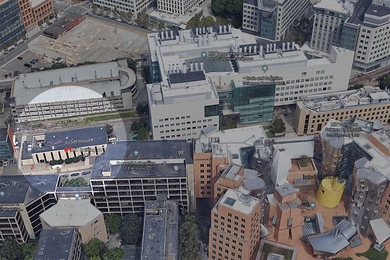
Headquarters would replace Building 44, forming an “entrance to computing” near the intersection of Vassar and Main streets.
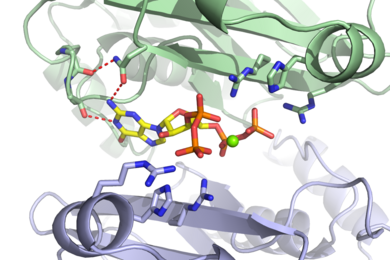
Researchers develop a method to investigate how bacteria respond to starvation and to identify which proteins bind to the “magic spot” — ppGpp.
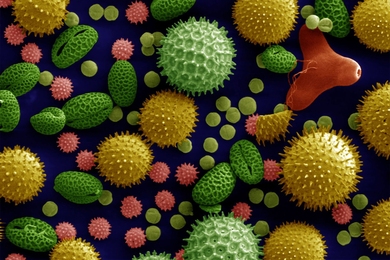
Whitehead Institute and MIT researchers uncover the detailed molecular structure of the sporopollenin polymer, an inert material key for the emergence of land plants.
A recent MIT symposium explores methods for making artificial intelligence systems more reliable, secure, and transparent.
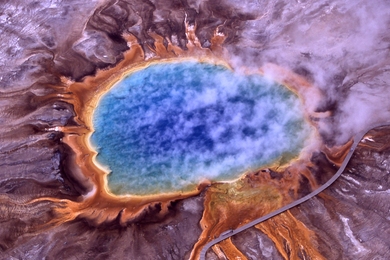
New research finds a unique component of cell membranes in an archaea species conveys protection against acidic surroundings.