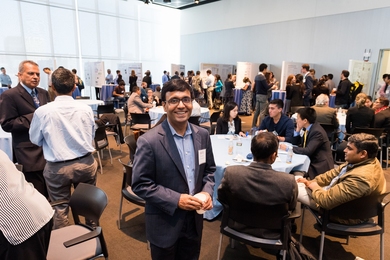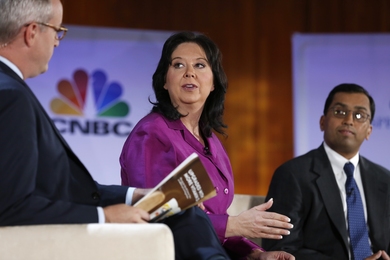
Cambridge Cyber Summit convenes industry, academia, and government
Hosted by CSAIL, event featured discussions on cybersecurity with tech leaders and officials from the NSA and FBI.
Hosted by CSAIL, event featured discussions on cybersecurity with tech leaders and officials from the NSA and FBI.
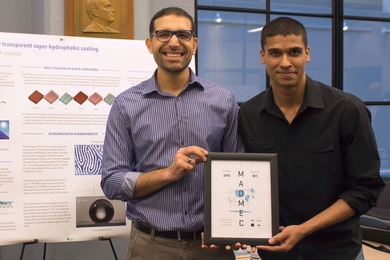
Water-shedding coating for car windshields wins $10K grand prize at annual prototyping contest.
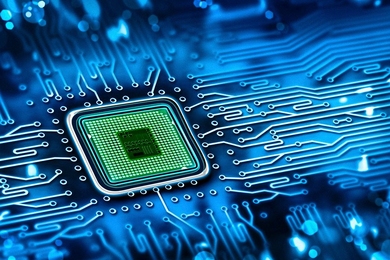
Study shows particle collisions may explain overheated circuits, improve thermoelectric devices.
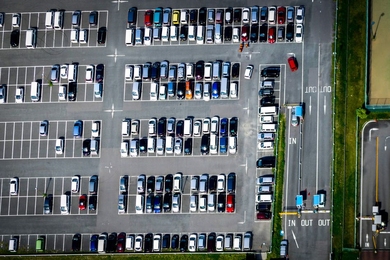
Data-analytics platform helps parking managers meet driver demand in high-traffic areas.
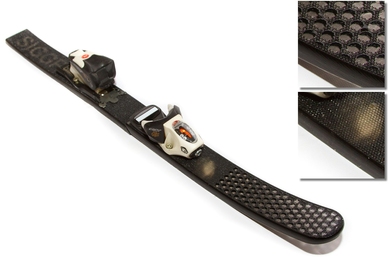
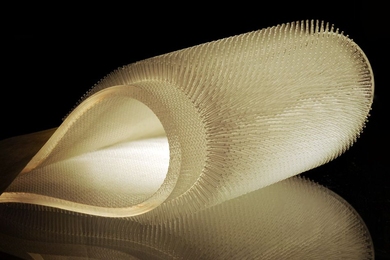
“Foundry” tool from the Computer Science and Artificial Intelligence Lab lets you design a wide range of multi-material 3-D-printed objects.
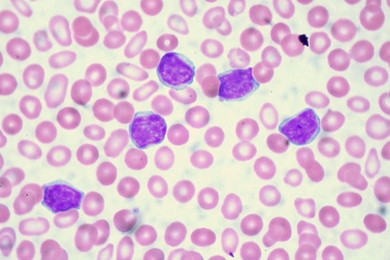
Device can predict tumor responses by measuring cell growth after drug exposure.
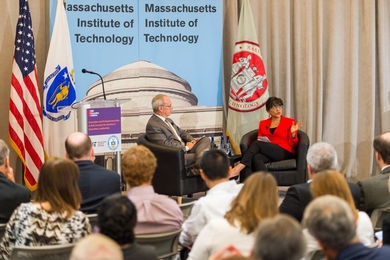
The White House highlights MIT’s latest efforts as part of National Manufacturing Day.
Materials Day Symposium will highlight strong potential to cut greenhouse gases with electric cars, solar and wind energy storage.
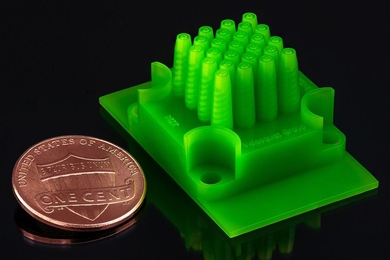
Technique mass-produces uniform, encapsulated particles for pharmaceuticals, many other uses.
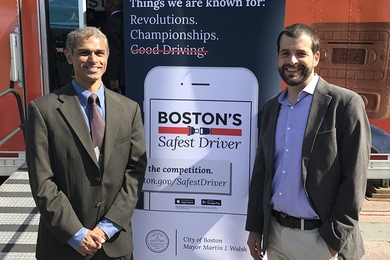
Mayor Martin Walsh announces a competition aimed at improving Boston driving with an app developed by an MIT spinout.
One Brave Idea Research Award will support the search for new biomarkers and treatments.

Keyboard-monitoring technique can detect motor difficulties as patients type.
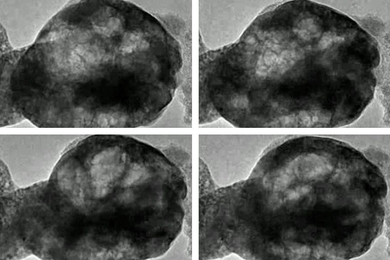
Newly discovered phenomenon could affect materials in batteries and water-splitting devices.