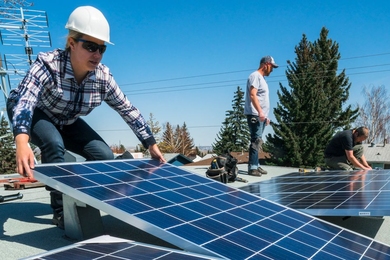
Study: Even short-lived solar panels can be economically viable
Research shows that, contrary to accepted rule of thumb, a 10- or 15-year lifetime can be good enough.
Research shows that, contrary to accepted rule of thumb, a 10- or 15-year lifetime can be good enough.
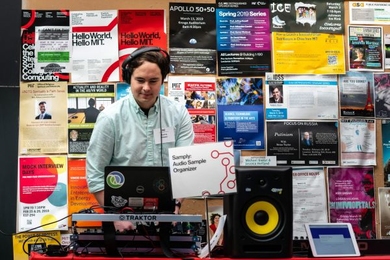
MIT grad student startup Samply uses algorithms to help music producers find the perfect sound.
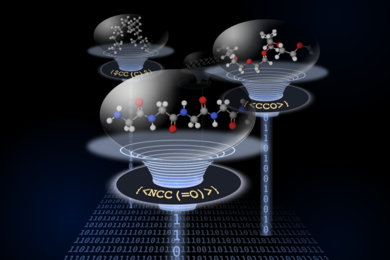
BigSMILES language allows computers and researchers to convey stochastic configurations more clearly.
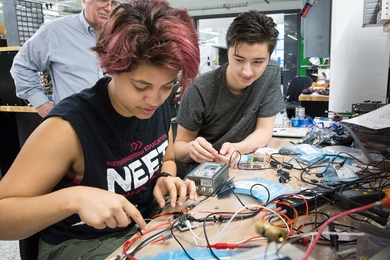
Students on UROP teams agree that teamwork speeds up the research.
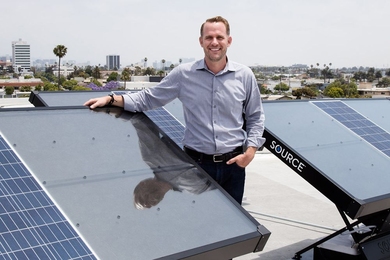
Materials scientist recognized for social, economic, and environmentally-sustaining inventions that impact millions of people around the world.
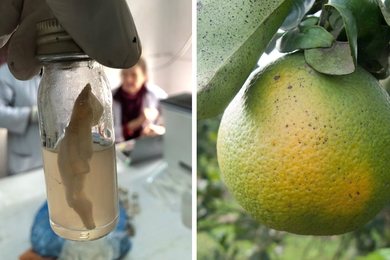
Projects address access to clean water in Nepal via wearable E. coli test kits, improving the resilience of commercial citrus groves, and more.
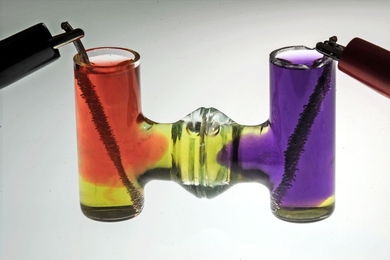
MIT researchers find a way to eliminate carbon emissions from cement production — a major global source of greenhouse gases.

Commercial cloud service providers give artificial intelligence computing at MIT a boost.
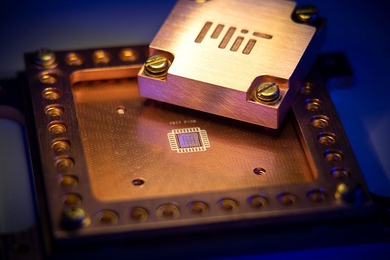
New detection tool could be used to make quantum computers robust against unwanted environmental disturbances.
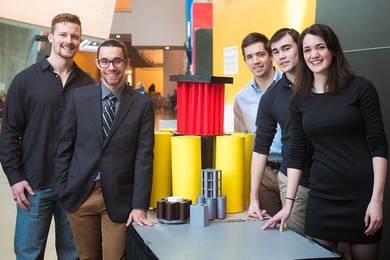
New 22-ENG undergraduate degree provides expansive vision of nuclear studies and nuclear careers.
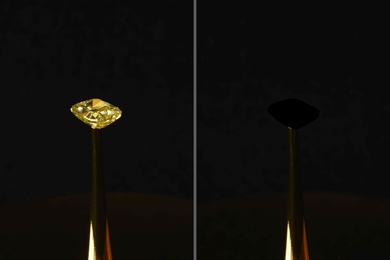
Made from carbon nanotubes, the new coating is 10 times darker than other very black materials.

CSAIL system uses a patient's ECG signal to estimate potential for cardiovascular death.
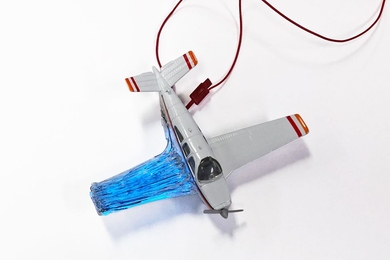
Filaments with embedded circuitry can be used to print complex shapes for biomedical and robotic devices.
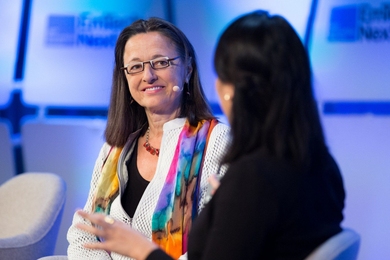
Primary focus will be to engage engineering students and peers from across the Institute on the school’s outreach and diversity activities.
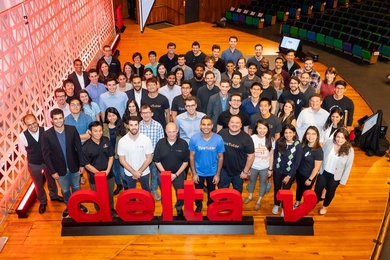
MIT’s delta v accelerator concludes with presentations from participants and encouragement for all students.