
New model of the GI tract could speed drug development
Studies of drug absorption in the small intestine could help researchers identify medicines that can be taken orally.
Studies of drug absorption in the small intestine could help researchers identify medicines that can be taken orally.
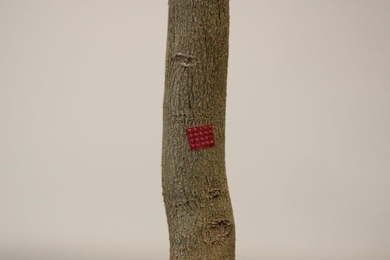
Microneedles made of silk-based material can target plant tissues for delivery of micronutrients, hormones, or genes.

Prestigious honor society announces more than 250 new members.

Based on crowdsourced data, app helps patients, EMTs, and physicians determine real-time availability of hospital resources.

Danagoulian and his research team developed a system that could greatly improve the process for verifying compliance of nuclear warheads.

MIT system cuts the energy required for training and running neural networks.

Professor of chemistry and IMES core member is recognized for his leadership and pioneering spirit.
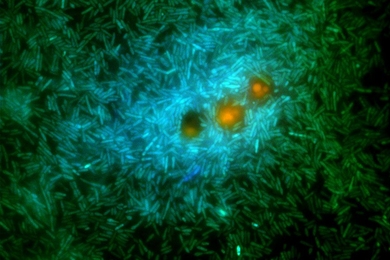
When they encounter nutrient oases in the marine desert, marine bacteria release a gas involved in climate regulation.

The Audacious Project commitment will support the development of new classes of antibiotics to treat the world’s deadliest bacterial pathogens.
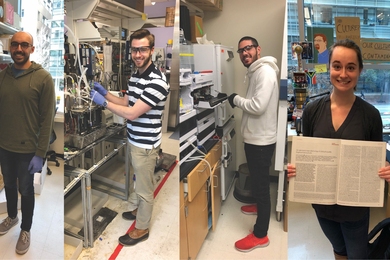
Manufacturability is key to producing a widely available, affordable vaccine.
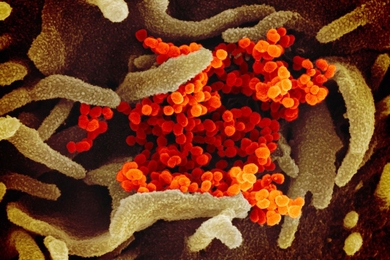
Study finds specific cells in the lungs, nasal passages, and intestines that are more susceptible to infection.

MIT senior helps his immigrant family address medical matters while balancing his school work.

CSAIL director and MIT Schwarzman College of Computing deputy dean of research will serve on the President’s Council of Advisors on Science and Technology.
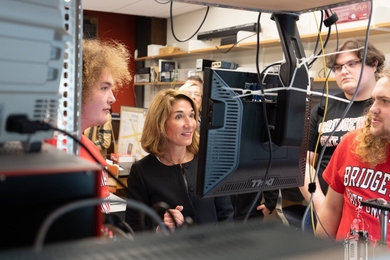
IEEE, SPIE, and OSA will support students within a new program launched in collaboration with MIT’s Initiative for Knowledge and Innovation in Manufacturing.
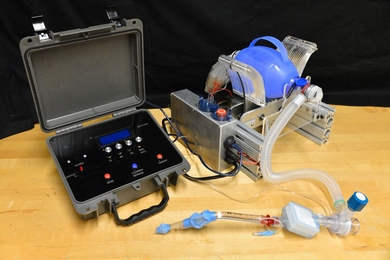
An ad hoc team of engineers and doctors has developed a low-cost, open-source alternative, now ready for rapid production.