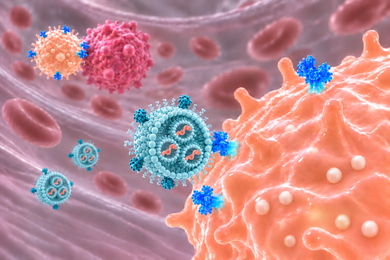
Bryan Bryson: Engineering solutions to the tough problem of tuberculosis
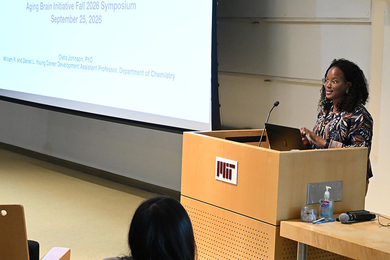
By analyzing how Myobacterium tuberculosis interacts with the immune system, the associate professor hopes to find new vaccine targets to help eliminate the disease.
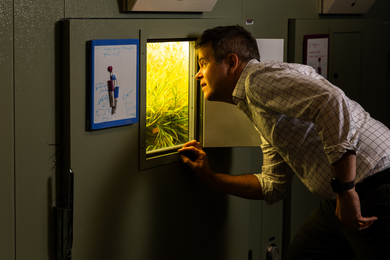
MIT physicist shares 400,000-euro award for influential work on “magic-angle” graphene.
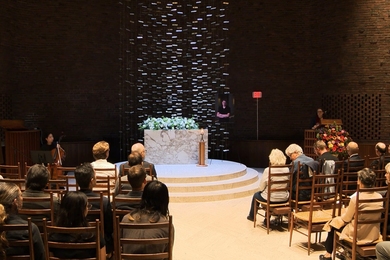
Professor, mentor, and leader at MIT for more than 50 years shaped fundamental understandings of cell adhesion, the extracellular matrix, and molecular mechanisms of metastasis.
The MIT senior will spend the 2026-27 year at Tsinghua University in Beijing, studying global affairs.
A giant in aviation, Liebeck had taught at MIT since 2000 and was a pioneer in the famed Blended-Wing Body experimental aircraft.
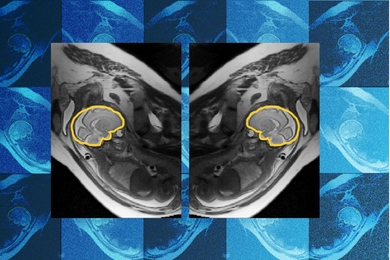
New research detects hidden evidence of mistaken correlations — and provides a method to improve accuracy.
“MorphoChrome,” developed at MIT, pairs software with a handheld device to make everyday objects iridescent.
For nearly a decade, the MIT Warrior-Scholar Project STEM boot camp has helped enlisted members of the military prepare for higher education.
Founded by two MIT alumni, Samsara’s platform gives companies a central hub to learn from their workers, equipment, and other infrastructure.
MicroMasters coursework led engineer Kevin Power to MIT, where hands-on research in the MIT Supply Chain Management blended program transformed his professional trajectory.
New technique could improve the scalability of trapped-ion quantum computers, an essential step toward making them practically useful.
With support from the Siegel Family Endowment, the newly renamed MIT Siegel Family Quest for Intelligence investigates how brains produce intelligence and how it can be replicated to solve problems.
“MechStyle” allows users to personalize 3D models, while ensuring they’re physically viable after fabrication, producing unique personal items and assistive technology.
Cross-border collaborations are seen as a key to success for the MIT Leventhal Center’s Mexico City Initiative.
Master's student Taylor Hampson is modeling the behavior of an unconventional rocket engine that will heat propellant using nuclear energy.