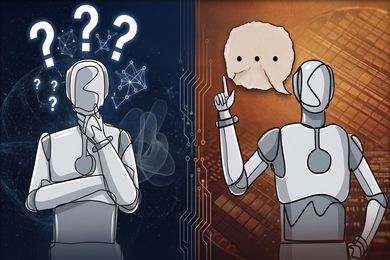
Teaching AI models to say “I’m not sure”
A new training method improves the reliability of AI confidence estimates without sacrificing performance, addressing a root cause of hallucination in reasoning models.
A new training method improves the reliability of AI confidence estimates without sacrificing performance, addressing a root cause of hallucination in reasoning models.
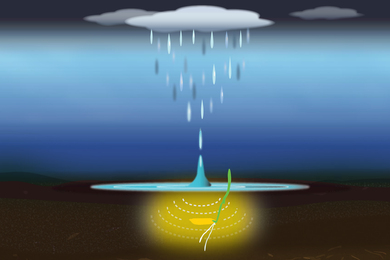
Experiments by MIT engineers show rice seeds sprout faster to the sound of rain.
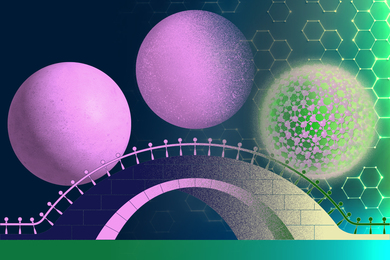
The weird quantum behavior of subatomic particles can be understood through everyday classical ideas, MIT researchers show.

Philosopher Sam Berstler explains why we have social norms that let people engage in open deception.

MIT scientists create a detailed map of exactly what happens in the brains of C. elegans worms when they “follow their nose” to savor attractive odors or avoid unappealing ones.
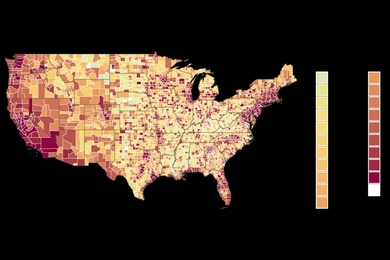
Findings suggest that at the county level, rise in prices is due, in part, to the fact that new neighbors have a positive impact on K-12 education.
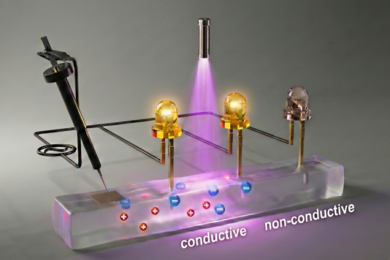
New MIT work advances the growing field of ionotronics, in which data are transferred through ions, potentially providing a bridge between electronics and biological tissue.
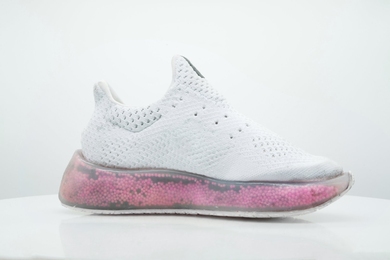
Associate Professor Skylar Tibbits discusses a new technology that uses granular convection to deliver individualized performance.

Scientists say an exception in the Montreal Protocol for the use of ozone-depleting feedstocks could set the ozone recovery back seven years.

A new study suggests that the chemical NDMA is much more likely to cause cancerous mutations after exposure early in life.

Long thought to be mainly a structural support, the cell membrane also influences how cells respond to signals and may contribute to the growth of cancer cells.

From lazy ripples to towering breakers, waves should vary widely from one planet to another, according to a new model.
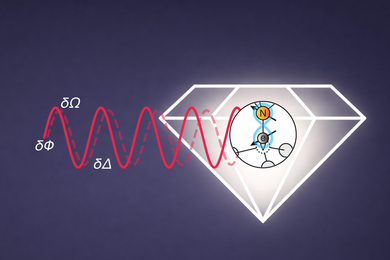
The devices represent a key step toward practical quantum sensing, with applications in biomedical sensing, materials characterization, and more.
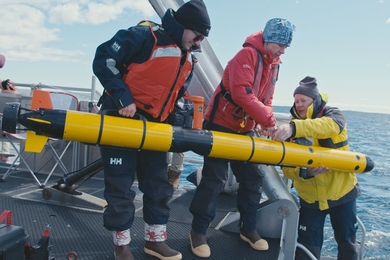
Researchers are developing hardware and algorithms to improve collaboration between divers and autonomous underwater vehicles engaged in maritime missions.
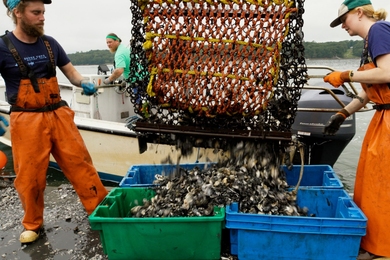
A chemical-free approach to balancing ocean acidity protects marine life and could dramatically impact the global aquaculture market.