
Mars’ missing atmosphere could be hiding in plain sight
A new study shows Mars’ early thick atmosphere could be locked up in the planet’s clay surface.
A new study shows Mars’ early thick atmosphere could be locked up in the planet’s clay surface.

MIT researchers identify facility-level factors that could worsen heat impacts for incarcerated people.

New statistical models based on physiological data from more than 100 surgeries provide objective, accurate measures of the body’s subconscious perception of pain.

MIT researchers speed up a novel AI-based estimator for medication manufacturing by 60 times.
MIT researchers find that the first dose primes the immune system, helping it to generate a strong response to the second dose, a week later.

The interlocking bricks, which can be repurposed many times over, can withstand similar pressures as their concrete counterparts.
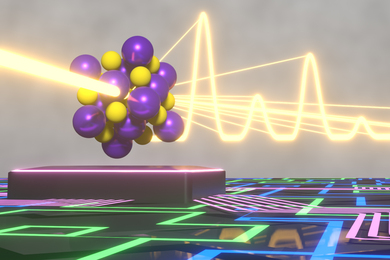
By analyzing X-ray crystallography data, the model could help researchers develop new materials for many applications, including batteries and magnets.

Researchers find large language models make inconsistent decisions about whether to call the police when analyzing surveillance videos.

EAPS PhD student Jared Bryan found a way to use his research on earthquakes to help understand exoplanet migration.

Watching for changes in the Red Planet’s orbit over time could be new way to detect passing dark matter.

“Co-LLM” algorithm helps a general-purpose AI model collaborate with an expert large language model by combining the best parts of both answers, leading to more factual responses.
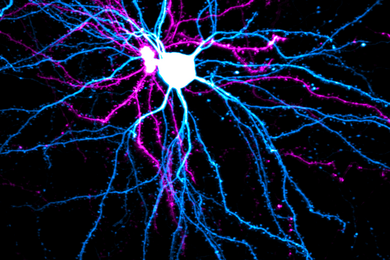
New research suggests neurons protect and preserve certain information through a dedicated zone of stable synapses.
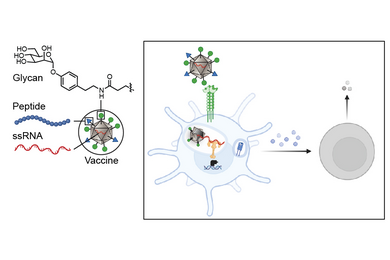
MIT scientists’ discovery yields a potent immune response, could be used to develop a potential tumor vaccine.
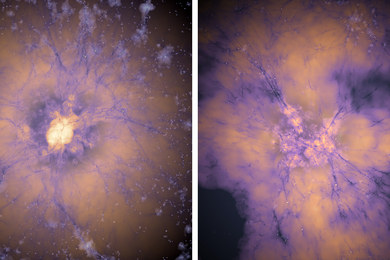
In the universe’s first billion years, this brief and mysterious force could have produced more bright galaxies than theory predicts.

MIT researchers investigate the neural circuits that underlie placebos’ ability to relieve chronic and acute pain.