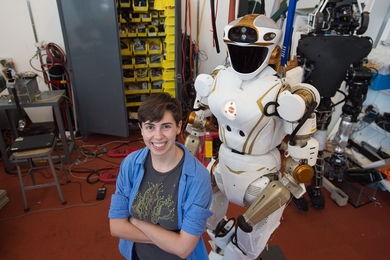
Prepping a robot for its journey to Mars
Senior Sarah Hensley aims to improve Earth's most advanced humanoid robot, in advance of its trip to the Red Planet.
Senior Sarah Hensley aims to improve Earth's most advanced humanoid robot, in advance of its trip to the Red Planet.
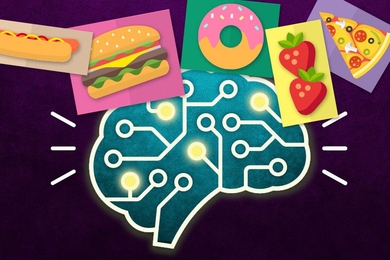
Brain cells that provide structural support also influence feeding behavior, study shows.
![“MIT is wonderful because in addition to [finding] an amazing home in economics, I can talk with and learn from a lot of people on the science side,” says Heidi Williams, the Class of 1957 Career Development Associate Professor in MIT’s Department of Economics.
MIT professor Heidi Williams](/sites/default/files/styles/term_page__news_article/public/images/201610/MIT-heidi-williams-01_0.jpg?itok=RYBkTTy6)
Heidi Williams builds all-new data sets to answer questions about innovation and biomedical research.
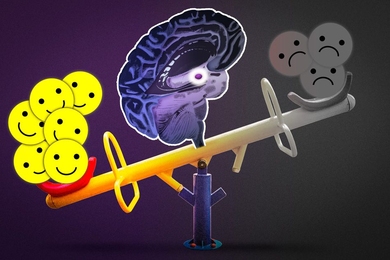
Neuroscientists identify two neuron populations that encode happy or fearful memories.
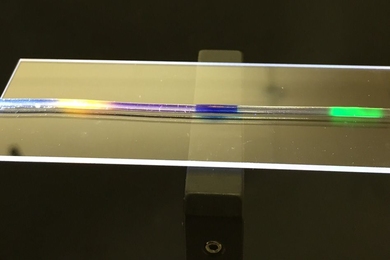
Biocompatible fibers could use light to stimulate cells or sense signs of disease.
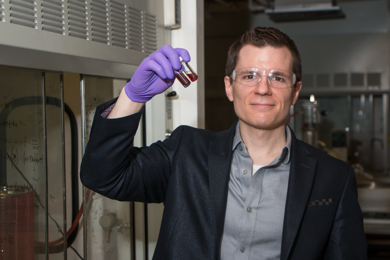
MIT chemist constructs nanoparticle-based crystals by programming interactions of synthetic polymers and biopolymers at the molecular level.

Assistant Professor Ariel White is looking to understanding how government, policies, and people affect voting behavior.
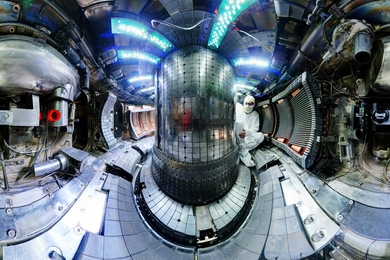
Alcator C-Mod tokamak nuclear fusion reactor sets world record on final day of operation.
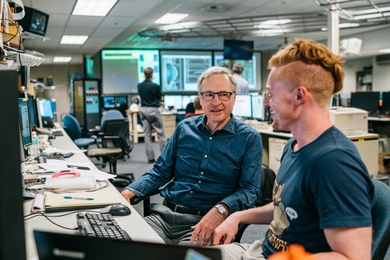
MIT’s Alcator C-Mod nuclear reactor winds down — and defines its legacy on its final run.
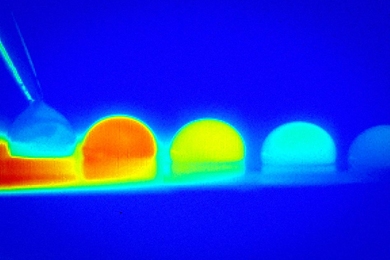
Method for moving fluids on a surface may find uses in condensers, microfluidics, and de-icing.
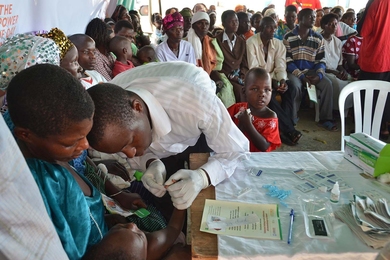
Study of malaria rapid diagnostic tests in Uganda assesses scalability, identifies supply chain challenges.

Experts from the School of Humanities, Arts, and Social Sciences weigh in on topics from polling to rhetoric to individual campaign issues.
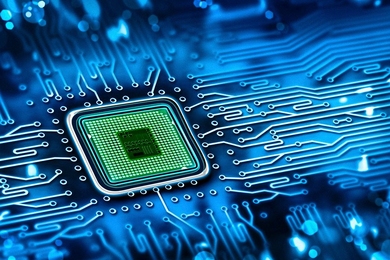
Study shows particle collisions may explain overheated circuits, improve thermoelectric devices.
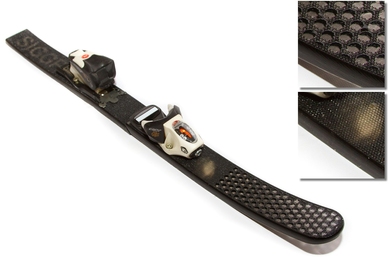
“Foundry” tool from the Computer Science and Artificial Intelligence Lab lets you design a wide range of multi-material 3-D-printed objects.